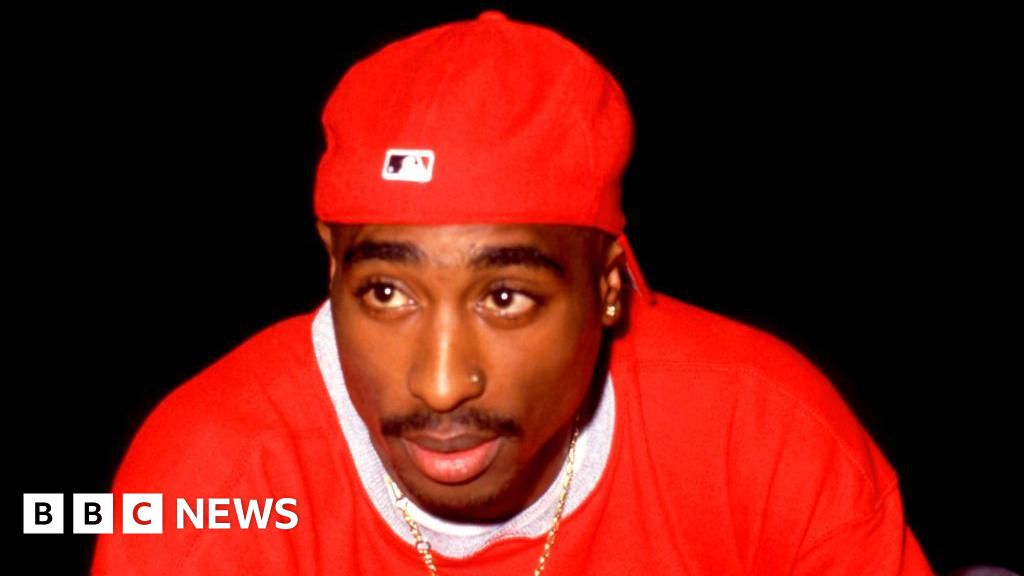
Tupac Shakur Murder Trial: Witnesses Clash and Family Seek Justice
<>
In the ongoing trial for the 1996 murder of Tupac Shakur, former Death Row Records enforcer and Mob Piru member Darnell “Moochie” McDonald delivered combative testimony that underscored the complexities of gang-affiliated legal proceedings. McDonald refused to identify the shooter or provide testimony that could implicate the defendant, Duane “Keffe D” Davis.
The Collision of Street Allegiances and Legal Testimony
The proceedings in Las Vegas turned volatile as McDonald, an enforcer during the Death Row Records era, resisted the prosecution’s line of questioning. According to reporting by the BBC, McDonald explicitly stated his refusal to aid in securing a conviction against Davis, telling the defense attorney, “I don’t want to send him to prison, even though we don’t like each other.” This testimony highlights the significant hurdle of witness cooperation in cases where defendants and witnesses share a history of street-level conflict and gang affiliation.
McDonald’s presence on the stand was marked by visible frustration. He characterized the events of 1996 as a period of intense gang warfare, noting that the entourage surrounding Shakur was fully aware of who was responsible for the violence shortly after it occurred. “It was a gang war,” McDonald testified. “People were getting hurt. People were being sought.” He identified Davis and his nephew, Orlando Anderson, as central figures in that conflict, yet he pivoted away from providing specific, actionable evidence against Davis, telling the court, “You’re asking me questions that can hurt him.”
The Institutional Impact of High-Stakes Criminal Litigation
However, the legal strategy is complicated by the nature of the evidence, which relies heavily on historical accounts from figures embedded within the same subculture.
The tension surrounding the trial has extended beyond the courtroom walls. As reported by People.com, a shooting occurred outside the Las Vegas courthouse as the family of Tupac Shakur was departing the premises. Such incidents emphasize the security risks inherent in high-profile cases involving figures with deep ties to industry and street history.
Industry Perspectives on the Legacy of Tupac Shakur
The family of Shakur has expressed limited optimism regarding the judicial process. According to Complex, Sekyiwa “Set” Shakur, the rapper’s sister, stated that the family has “low expectations” for justice in the case. As the court continues to hear from those present during the Death Row Records era, the trial remains a focal point for both the public and the music industry, highlighting the friction between historical street codes and the requirements of the modern legal system.

Navigating Legal and Media Challenges
The case of Duane “Keffe D” Davis is not merely a murder trial; it is a complex intersection of music industry history and the realities of gang-affiliated violence.
Keep reading
- Findlay Toyota Center hosts November music and hockey in Prescott Valley
- James Hetfield Reveals Turnstile Turned Down Metallica Tour Invitation
- PHERGain Phase 2 Trial: HER2-Positive Breast Cancer De-escalation and ctDNA Analyses (archyde.com)
- China Ansa and Santiago Maratea Clash Over Charitable Fundraising (time.news)