
Tuas Terminates Deal to Acquire M1
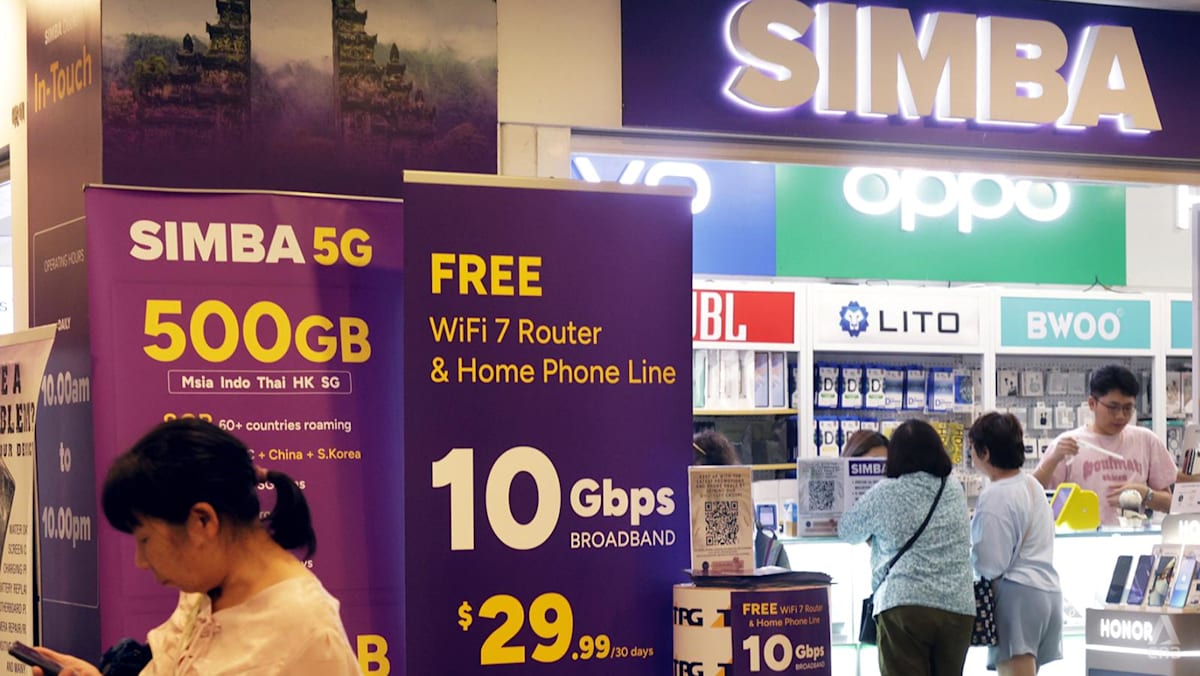
Simba’s parent company, Tuas Limited, has officially terminated its agreement to acquire M1, citing regulatory complications that stalled the deal. The collapse of the acquisition, initially announced in August 2025, follows an Infocomm Media Development Authority (IMDA) review regarding potential unauthorized spectrum usage, forcing Tuas to abandon its consolidation strategy.
The sudden dissolution of this deal serves as a stark reminder of the regulatory friction inherent in telecommunications consolidation. When strategic growth plans collide with operational compliance, the resulting liquidity crunch can be unforgiving. For mid-market firms navigating similar high-stakes transitions, the value of retaining top-tier M&A advisory firms and regulatory compliance specialists cannot be overstated. Without these safeguards, even the most ambitious expansion efforts risk total derailment during the due diligence phase.
The Anatomy of a Failed Synergy
The deal was designed to propel Tuas from a challenger brand into a significant market player. By attempting to scale through the acquisition of M1, Tuas aimed to capture greater market share and improve its revenue multiples. However, the regulatory environment in Singapore proved to be a formidable barrier. The IMDA’s suspension of the review process—triggered by allegations that Simba may have utilized radio frequency bands without authorization—transformed a business expansion project into a crisis management exercise.
When a regulatory body initiates a formal investigation into license conditions, the “long-stop” dates in share purchase agreements often become impossible to meet. Tuas faced a critical deadline of May 21, 2026, leaving the board with insufficient runway to resolve the allegations or negotiate a path forward with the regulator. The termination of the agreement is the inevitable fiscal response to a blocked path.
“Regulatory scrutiny is the silent killer of the modern M&A cycle. When operating licenses are called into question, the burden of proof shifts entirely to the acquirer, and the timeline for closing evaporates rapidly under the weight of compliance audits.” – Senior Financial Strategist, Global Markets Analysis Group.
Macro-Economic Implications for Telco Consolidation
The broader telecommunications sector is currently grappling with a “very high bar” for approval, as noted by industry analysts evaluating recent consolidation trends. Singtel and other incumbents are watching these developments closely, as the failed Tuas-M1 deal signals a tightening of the regulatory landscape. Investors are recalibrating their expectations for sector-wide efficiency gains, leading to increased volatility for firms that rely on inorganic growth to offset stagnating average revenue per user (ARPU) metrics.

Market participants should consider the following three factors when assessing the fallout from this failed transaction:
- Liquidity Risk: The capital earmarked for the acquisition must now be reallocated, potentially impacting future dividend payouts or R&D expenditure.
- Operational Oversight: Companies must now conduct intensive internal audits of their infrastructure and spectrum usage to ensure alignment with the Telecommunications Act.
- Valuation Compression: As seen with recent market movements, the market often punishes firms that fail to execute on high-profile growth initiatives, leading to rapid share price corrections.
Navigating Post-Deal Uncertainty
For Tuas, the focus now shifts from aggressive expansion to stabilizing its existing brand, Simba. The board’s internal review of the alleged spectrum misuse is ongoing, and the firm must prove its commitment to regulatory adherence to regain investor confidence. This transition requires a robust approach to corporate governance and, often, the intervention of corporate governance consultants to restructure oversight mechanisms.
Market analysts, including those at JP Morgan, have pointed toward potential upgrades for other players in the space, such as Keppel, following the failed sale. This highlights a classic market rotation: capital flows away from the firm embroiled in regulatory uncertainty and toward those positioned to benefit from the status quo. The “scrappy challenger” narrative, which served Tuas well in its early years, is now being replaced by the more sober reality of operating as a mature entity under the watchful eye of the IMDA.
Charting the Path Forward
As we move through the remainder of the fiscal year, the emphasis for telecommunications firms will be on organic growth and operational transparency. The era of easy consolidation is facing a period of intensive review. For firms that find themselves in the crosshairs of regulators, the immediate priority must be the stabilization of the balance sheet and the restoration of transparent communication with shareholders.

The failure of this deal is not merely an isolated incident; it is a diagnostic of the current market climate. Executives must recognize that in a high-interest rate environment, the cost of regulatory failure is compounded by the high opportunity cost of trapped capital. To navigate these complexities, businesses should reach out to the professional network available at the World Today News Directory to connect with vetted legal and financial partners capable of mitigating these systemic risks.
the market will reward those who prioritize compliance and operational integrity over speculative growth. Whether through internal restructuring or strategic shifts in capital allocation, the lessons from the Tuas-M1 dissolution will likely inform corporate strategy across the sector for the coming quarters.