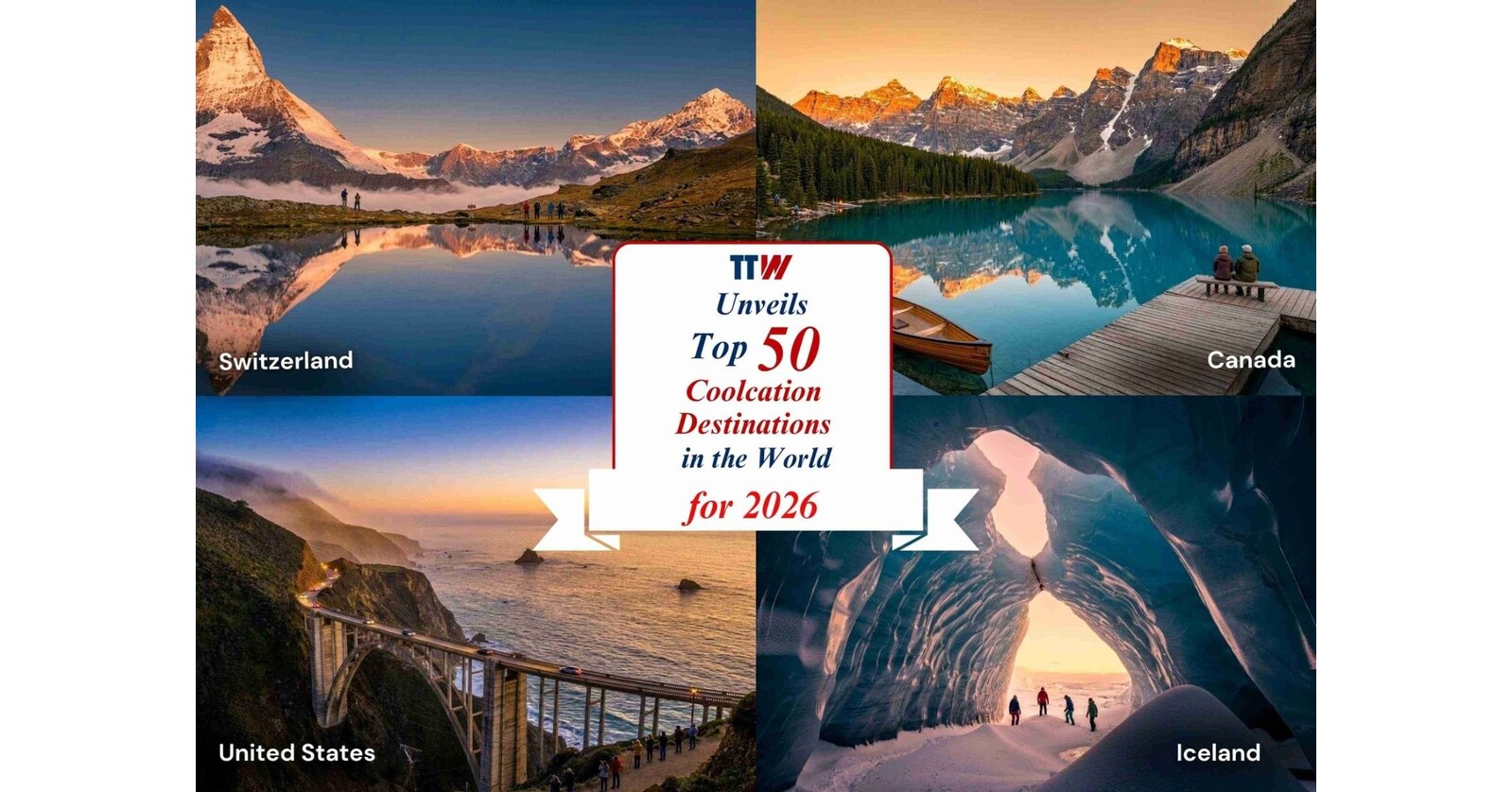
TTW Unveils Top 50 Coolcation Travel Destinations for 2026
Travel Trends World (TTW) has released its curated list of the top 50 “coolcation” destinations for 2026, identifying global locations where travelers can avoid extreme heat during traditional summer holiday periods.
The “coolcationing” trend involves a deliberate shift in travel preferences, with tourists opting for higher latitudes or higher altitudes to escape the increasingly severe heatwaves affecting traditional Mediterranean and tropical hotspots. According to TTW, this movement is driven by a desire for comfort and safety as global temperatures rise, making temperate climates more attractive during the peak months of July and August.
Regional Selection and Criteria
The 2026 list emphasizes destinations in Northern Europe, North America, and the Southern Hemisphere. Key regions highlighted include the Nordic countries, Canada, Alaska, and New Zealand, which are noted for their ability to provide mild temperatures and outdoor activities during the Northern Hemisphere’s summer.

TTW based its selections on several specific metrics, including temperature stability, the availability of sustainable infrastructure, and the presence of biodiversity and nature-based tourism. The organization noted that the criteria focused on locations that can accommodate an influx of visitors without compromising their environmental integrity, as the shift toward cooler regions increases the pressure on previously less-visited ecosystems.
Impact on Global Tourism Patterns
The rise of coolcations indicates a changing economic landscape for the travel industry. Traditional summer destinations in Southern Europe and Southeast Asia, which have historically relied on peak summer tourism, are facing a potential redistribution of visitor traffic as travelers prioritize thermal comfort over traditional sun-and-sand experiences.
TTW’s analysis suggests that the demand for “climate-adaptive tourism” is no longer a niche preference but a growing market segment. This shift is prompting travel agencies and hospitality providers to reorganize their seasonal offerings, moving away from the traditional summer-centric model toward one that accounts for regional temperature volatility.
The list serves as a strategic guide for the 2026 travel season, as global tourism operators begin adjusting their logistics and pricing to meet the increasing demand for temperate destinations.