
Trump’s Policies Halt UK Construction & Fuel Property Market Fears
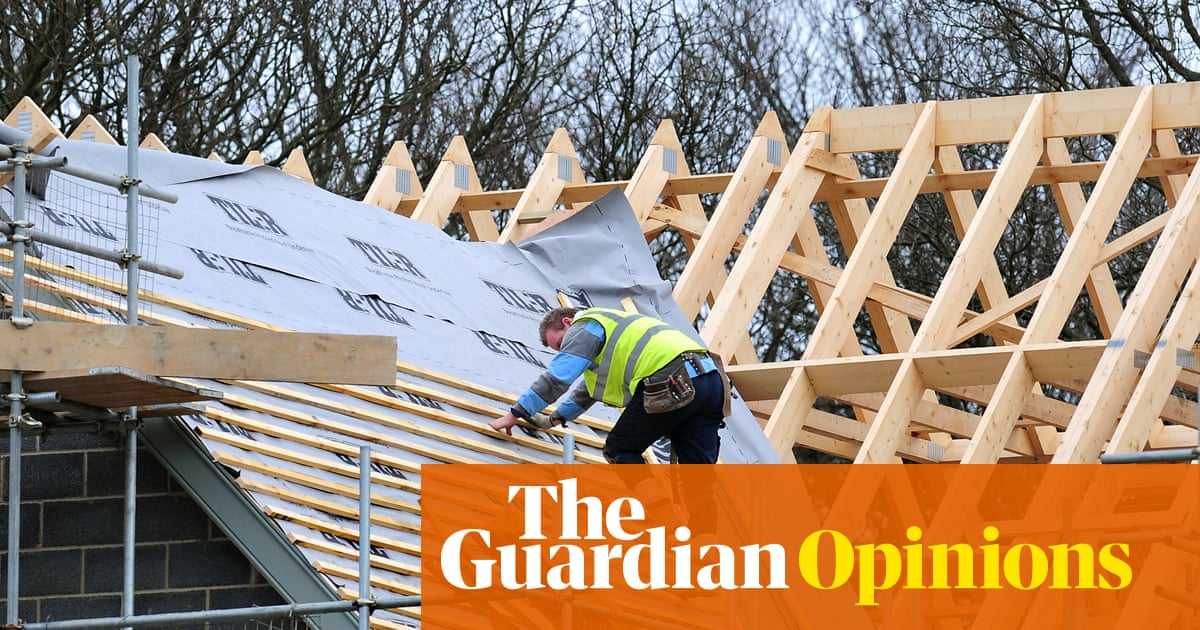
The value of new construction projects in the United Kingdom dropped by more than a third in the three months to the end of February, according to data released last week by Glenigan, a provider of construction industry data. The decline comes amid a period of heightened geopolitical instability linked to actions by the U.S. Administration of Donald Trump, impacting investor confidence and disrupting supply chains.
Projects categorized as “major works”—those valued at over £100 million—experienced the most significant downturn. Developers, buoyed by signals of a relatively stable economic outlook following Rachel Reeves’s November budget announcement, had begun increasing investment in large-scale projects. That momentum has now stalled.
The slowdown affects a broad range of construction sectors, including office building, civil engineering, and residential housing. Allan Wilen, Glenigan’s economics director, described the situation as “deeply worrying,” noting that “market volatility means prices are erratically fluctuating on a daily basis, dictated by the direction of international affairs.” He added that hopes for a recovery in the second half of the year are now “hanging in the balance.”
The UK’s economic reliance on property—as both a driver of wealth and a source of government revenue—amplifies the impact of this construction slowdown. The financial services sector is heavily dependent on property values, and consumer spending is closely tied to housing market activity. The nation’s current account deficit is partially offset by the sale of assets, a significant portion of which are property holdings.
The reluctance of potential homebuyers is a key factor contributing to the difficulties faced by building firms and developers. Affordability remains a significant barrier, but broader economic uncertainty is also weighing on consumer confidence. The period covered by the Glenigan survey coincided with a series of escalating international tensions initiated by the Trump administration, including threats to Greenland’s status in January and the imposition of new tariffs in February following a Supreme Court ruling against earlier levies. These events created a climate of instability that dampened investment across multiple sectors.
Developers are increasingly seeking concessions from local authorities in exchange for proceeding with projects. British Land, for example, is currently in dispute with Southwark council over a proposed tower development, seeking permission to increase its height while reducing the proportion of affordable housing from 35% to 3%. London Mayor Sadiq Khan has indicated he will intervene to resolve the dispute.
These instances highlight a growing trend of developers attempting to minimize their obligations to provide affordable housing. Some observers argue that this underscores the need for a more proactive role for public authorities in directly commissioning and managing housing projects, rather than relying on the private sector. The Dutch model, where councils act as commissioners and building firms as contractors, is cited as a potential alternative.
With Donald Trump expected to remain in office for several more years, the need for greater economic self-sufficiency is becoming increasingly apparent. Leaving housebuilding solely to the private sector, critics contend, will likely result in continued shortfalls in housing supply, unmet demand for public amenities, and a failure to achieve government targets. The construction sector, they argue, will remain constrained and unable to deliver the homes, workspaces, and infrastructure the UK requires.