Trump’s Obsession With Steam Power Threatens Navy Carrier Design
President Donald Trump has ordered the U.S. Navy to replace the Electromagnetic Aircraft Launch System (EMALS) with traditional steam catapults on the future aircraft carrier USS Doris Miller. The directive forces a significant redesign of a vessel already under construction, raising concerns regarding multi-billion dollar cost overruns and development delays.
The Shift from Electromagnetic to Steam Propulsion
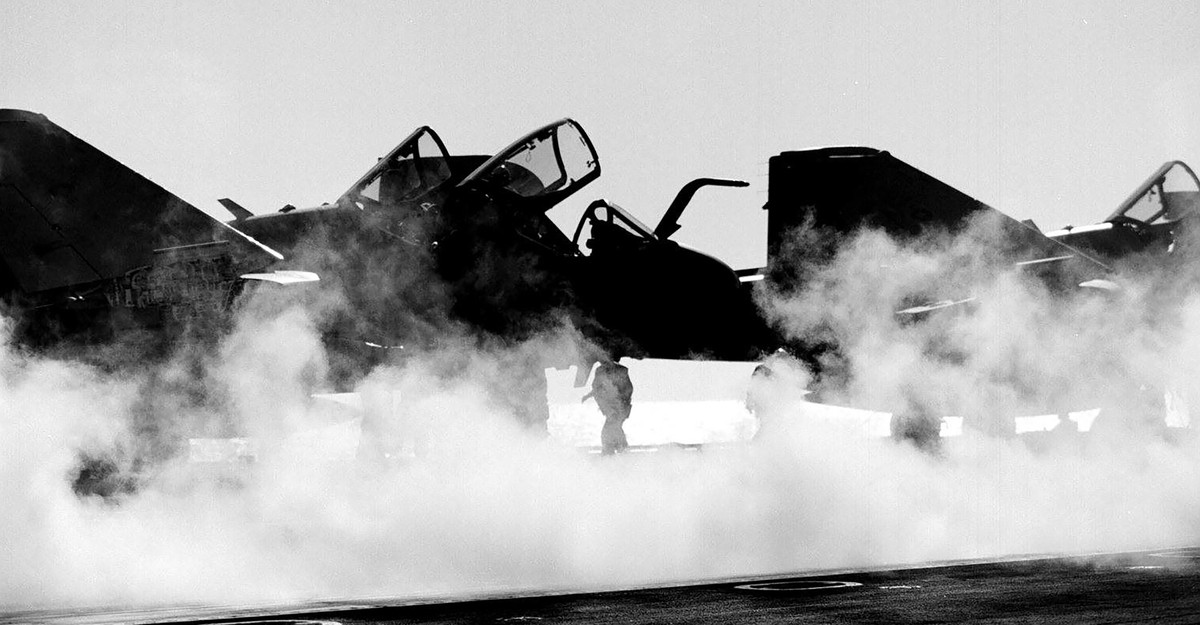
The transition to steam power on the USS Doris Miller, a ship not yet assembled but currently in the parts-construction phase, represents a departure from the Navy’s long-term modernization strategy. Since the commissioning of the USS Gerald R. Ford, the Navy has relied on EMALS, which utilizes electricity from the ship’s nuclear reactors to launch aircraft. The president has consistently criticized this system, characterizing it as overly complex and inferior to the “brutal” power of steam.
General Atomics, the contractor responsible for the EMALS system, issued a statement warning that nearly 50 percent of production is already complete. The company noted that reversing course at this stage introduces significant integration risks, as the ship’s internal layout—specifically designed for electrical infrastructure—cannot easily accommodate the massive piping required for steam catapults.
Strategic and Financial Implications
Naval analysts caution that the president’s aesthetic preference for steam may come at a steep price. Bryan Clark, a naval analyst at the Hudson Institute, stated that an interior redesign of this magnitude could cost the Navy billions of dollars. While EMALS experienced significant developmental hurdles during the construction of the USS Gerald R. Ford, it is currently operational and requires less maintenance than legacy steam systems. Over a 50-year service life, the electromagnetic system was projected to save the Navy approximately $4 billion in maintenance costs compared to steam.
A Pattern of Institutional Redesign
The order for the USS Doris Miller is part of a broader trend of the president seeking to reshape military and government infrastructure to match personal preferences. Similar initiatives include the proposed “Trump class” of battleships—estimated by the Congressional Budget Office to cost taxpayers $275 billion—and proposed structural changes to carrier command centers to mimic World War II-era aesthetics. These design choices often prioritize visual form over existing efficiency and safety standards established by naval architects.

As the Navy faces internal pressure, including reports of degraded living conditions and mental health struggles aboard the USS Abraham Lincoln, the allocation of resources toward these design changes remains a point of contention. While the administration focuses on the technological makeup of future carriers, the current fleet continues to grapple with operational readiness and personnel welfare.
The Cost of Aesthetic Policy
The 60-day window provided to Navy officials to execute the steam transition is widely viewed as a logistical tightrope. Because the USS Doris Miller is slated for completion in the mid-2030s, the potential for further administrative backpedaling remains high. However, the immediate impact on the current supply chain is tangible. As the Navy balances these presidential directives against the realities of modern warfare—including the ongoing challenges posed by low-cost drone technology—the decision to abandon a more reliable, albeit complex, launch system may prove to be a defining moment in the current administration’s approach to military modernization.

Ultimately, the move toward steam power highlights a fundamental tension between historical preference and modern military necessity. As the Navy works to reconcile these demands, the burden of potential delays will fall upon both the taxpayer and the industrial base.