
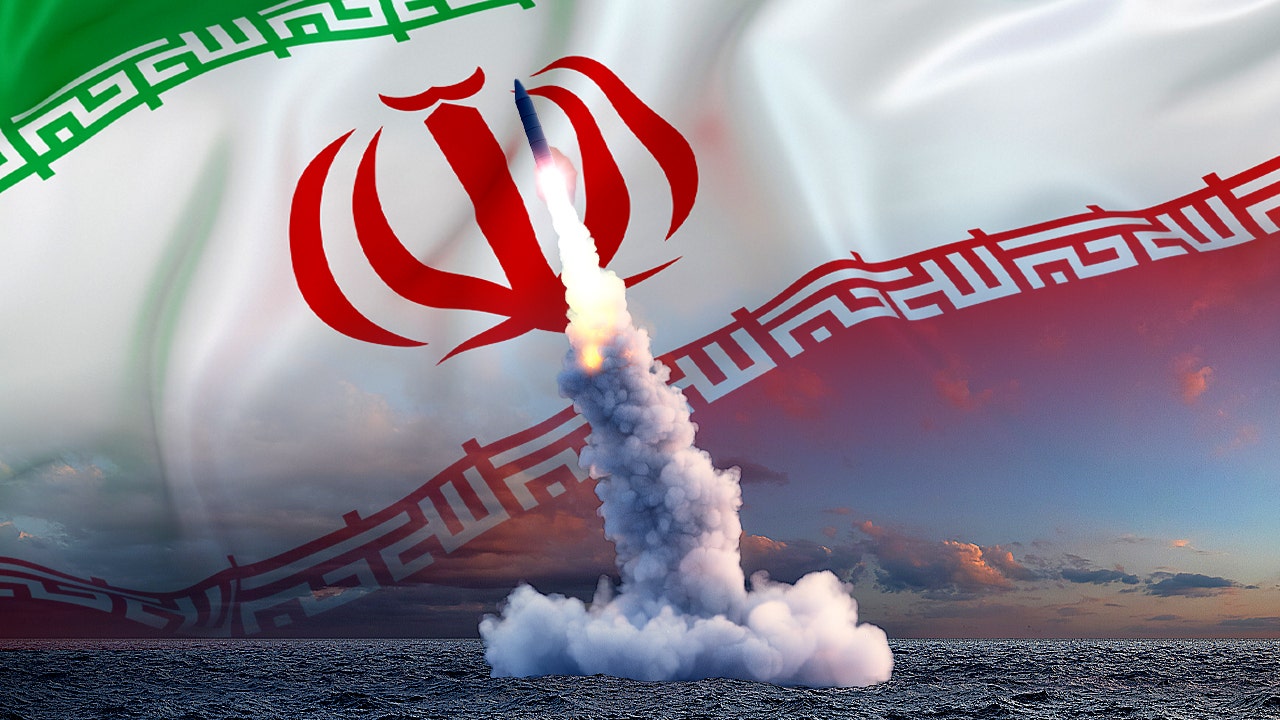
Trump’s Iran Threats: Potential Escalation and Iran’s Response
President Donald Trump has threatened to destroy all Iranian power plants and bridges if the Strait of Hormuz is not reopened by Tuesday, 8 p.m. ET. In response, Iran is signaling it may close another strategic strait, escalating a conflict that legal experts warn could involve war crimes.
The world is currently staring at a ticking clock. As of Tuesday, April 7, 2026, the tension between Washington and Tehran has reached a breaking point that transcends traditional diplomacy. This represents no longer a game of sanctions or shadow wars; it is a direct threat to the basic survival infrastructure of a nation.
The problem is simple and terrifying: the targeted destruction of civilian power grids and water systems. When a head of state threatens to “bomb Iran back to the Stone Ages,” the fallout isn’t just military—it is humanitarian. For businesses and governments operating in the region, the volatility of these straits creates an immediate crisis for global shipping and energy security. Navigating these disruptions requires the expertise of maritime logistics consultants to reroute critical supply chains before the deadline expires.
The 8 p.m. Ultimatum: Targets and Timelines
During a White House press conference on Monday, April 6, President Trump, accompanied by Defense Secretary Pete Hegseth, laid out a stark operational plan. The President asserted that his military possesses the power to decimate every bridge in Iran and put every power plant “out of business, burning, exploding and never to be used again” within a four-hour window.

The targets are not limited to military installations. The administration’s scope includes:
- Electric Generating Plants: A wholesale strike on the nation’s power grid.
- Bridges: The total destruction of transit infrastructure.
- Oil Wells and Kharg Island: Targeting the heart of Iran’s energy exports.
- Desalination Plants: Potential strikes on facilities that provide essential drinking water.
Trump’s demand is singular: the reopening of the Strait of Hormuz. He has repeatedly delayed this deadline, which was originally set two weeks ago, yet he remains adamant that the operation will proceed if his terms are not met by 8 p.m. ET this Tuesday.
It is a high-stakes gamble with civilian lives as the collateral.
The Legal Debate: Military Necessity vs. War Crimes
The rhetoric coming from the James Brady Press Briefing Room has sent shockwaves through the international legal community. Although the U.S. Has historically maintained that its military operations follow international law, the current administration’s approach appears to abandon that precedent.
Experts in the laws of war, as cited by ABC News, argue that the wholesale destruction of civilian infrastructure constitutes a violation of international mandates. Specifically, the targeting of protected civilian infrastructure and the application of “collective punishment” on a population are prohibited.
“The war crime is allowing Iran to have a nuclear weapon.”
That was President Trump’s direct response when asked if his threats amounted to war crimes. He views the proliferation of nuclear weapons as the primary legal and moral failing, effectively dismissing the concerns regarding the legality of striking power plants.
However, the legal distinction often rests on “dual use.” As noted by CNN, civilian infrastructure can be a valid target if it serves a military purpose. But there is a vast difference between striking a specific facility used by the military and the total obliteration of every power plant in a country. The latter moves from military strategy into the realm of illegal warfare.
Trump’s expressed desire to seize Iran’s oil has been flagged by experts as potential “pillaging,” another act strictly barred under international law. For those caught in the crossfire of these legal disputes, securing representation from experienced international law firms is the only way to navigate the resulting diplomatic and corporate liabilities.
Iran’s Counter-Move: The Strait Strategy
Tehran is not remaining passive. In response to the threat of infrastructure collapse, Iran is signaling that it may close another strategic strait. This move would further choke global trade and likely trigger a massive spike in global energy prices.
The strategy is clear: if the U.S. Threatens the internal stability of Iran, Iran will threaten the external stability of the global economy. This creates a cycle of escalation where the “solution” for one side—military force—only accelerates the “problem” for the other—economic blockade.
The volatility is extreme.
The human cost of such an escalation is often overlooked in the geopolitical chess match. If desalination plants are hit, millions could lose access to potable water. If the power grid is obliterated, hospitals and emergency services will fail. This level of systemic collapse requires more than just diplomatic treaties; it requires critical infrastructure specialists capable of rapid-response restoration in conflict zones.
A Departure from International Norms
The current trajectory represents a fundamental shift in American foreign policy. According to reporting from The Novel York Times, previous administrations insisted on following international law during wartime. The current administration’s openness to committing what experts call war crimes suggests a new era of “unhinged” diplomacy, as described by several congressional Democrats.
The danger is that these threats, once uttered, create a momentum that is difficult to stop. Even if a deal is reached at 7:59 p.m. ET, the precedent has been set: civilian infrastructure is now on the table as a primary target for political leverage.
As the clock winds down toward the 8 p.m. Deadline, the international community is left wondering if the “plan” mentioned by the President will be executed or if this is another instance of deadline extension. Regardless of the outcome, the fragility of global trade and the erosion of the laws of war have left a vacuum of stability. In an era where the rules of engagement are being rewritten in real-time, the only safeguard is access to verified, professional expertise. Whether it is legal protection, logistical rerouting, or infrastructure recovery, the World Today News Directory remains the essential resource for finding the professionals equipped to handle the fallout of this developing crisis.