
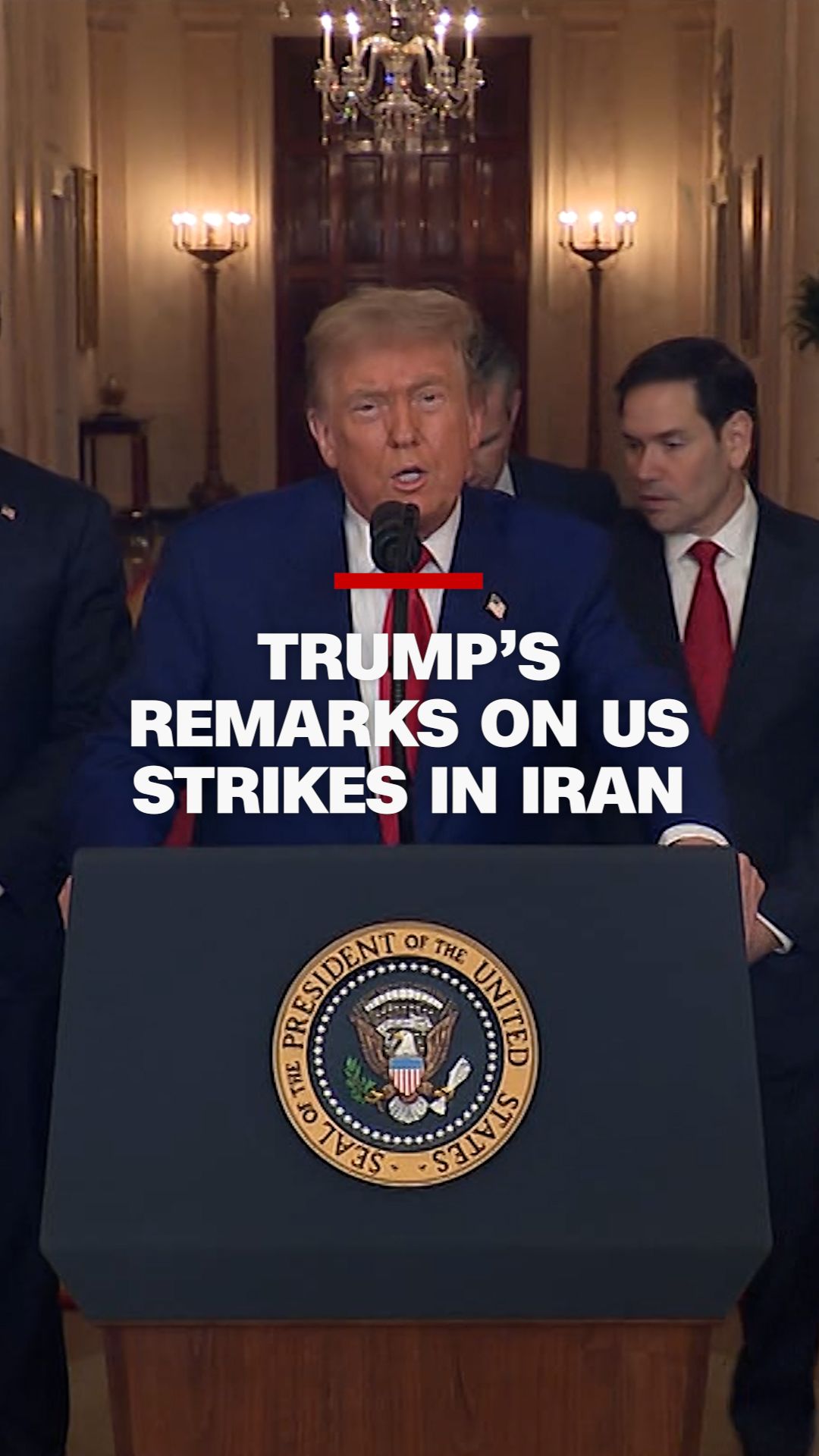
Trump’s Iran Deadline: US-Israeli Strikes and Escalating Tensions
President Donald Trump has threatened the total destruction of “a whole civilization” if Iran fails to meet a strict deadline for diplomatic concessions. Following US-Israeli strikes on Iranian oil, rail, and bridge infrastructure, the world faces an immediate risk of systemic regional collapse and global economic instability.
We are currently standing at a precipice. As of April 7, 2026, the tension is no longer about mere posturing; it is about the physical erasure of infrastructure. When a superpower threatens “civilizational” death, the conversation shifts from diplomacy to survival. The problem here is a cascading failure of security: the immediate threat of kinetic warfare, the secondary collapse of global energy markets, and the tertiary legal crisis regarding the targeting of civilian infrastructure.
The volatility of this moment creates a vacuum of stability. For businesses and individuals operating within these geopolitical corridors, the risk is no longer theoretical. It is operational.
The Anatomy of a Deadline: Infrastructure as a Pawn
The recent strikes targeting Iranian rail networks and bridges are not random. By severing the arteries of Iranian logistics, the US and Israel are attempting to paralyze the state’s ability to mobilize internally or export resources. This is “coercive diplomacy” in its most aggressive form. However, the targeting of these hubs creates a massive humanitarian and economic bottleneck.
The ripple effect is felt immediately in the Strait of Hormuz. Any escalation here doesn’t just affect Tehran; it triggers a price shock in the global crude oil market that hits every gas station from Texas to Tokyo. For shipping firms and logistics providers, the “deadline” is a timer on their insurance premiums. Many are now scrambling to find international maritime lawyers to renegotiate force majeure clauses before the region becomes a declared war zone.
The legal quandary is equally grim. The Washington Post has highlighted the moral and legal crisis within the US military regarding the targeting of civilian-adjacent infrastructure. Under the Geneva Conventions, the distinction between military objectives and civilian objects is paramount. When that line blurs, the risk of war crimes litigation increases.
“The current trajectory ignores the fundamental principle of proportionality. By threatening ‘civilizational’ collapse, we are moving beyond the scope of targeted military strikes and entering the realm of total war, which carries profound legal implications for every commander on the ground.”
This perspective is shared by Dr. Elena Vance, a senior fellow at the International Committee of the Red Cross, who notes that the erosion of these norms makes future diplomatic resolutions nearly impossible.
The Geopolitical Fracture: Allies and Adversaries
Internal friction is mounting within the US government. The break between President Trump and Senator Ron Johnson signals a rare fissure in the Republican base. This isn’t just a political disagreement; it is a fundamental clash over the “Madman Theory” of diplomacy—the idea that appearing unpredictable or irrational can force an opponent to concede.

But unpredictability has a cost. It creates market entropy.
The global economy cannot price in “civilizational death.” Investors are fleeing emerging markets in the Middle East, leading to a liquidity crisis for regional businesses. As capital exits, the need for specialized risk management consultants has spiked, as firms attempt to hedge against a total regional shutdown.
To understand the scale of the current escalation, we must look at the historical precedent of the 1953 coup and the 1979 revolution. This is the third great rupture in US-Iran relations. Unlike the previous two, the current conflict is occurring in an era of hyper-connected digital infrastructure and AI-driven warfare, where a single miscalculation can trigger an automated escalation.
The Economic Fallout: A Comparison of Risks
The following table outlines the immediate systemic risks associated with the current deadline and the subsequent “civilizational” threat.
| Sector | Immediate Impact (0-72 Hours) | Long-term Systemic Risk (Months) |
|---|---|---|
| Energy | Crude oil price spikes; volatility in Brent/WTI. | Permanent shift in global supply chains; energy rationing. |
| Logistics | Closure of shipping lanes in the Persian Gulf. | Collapse of regional trade hubs; permanent route diversion. |
| Diplomacy | Breakdown of the UN Security Council consensus. | Normalization of “civilizational” threats as state policy. |
| Legal | Emergency sanctions and asset freezes. | Widespread litigation over war crimes and civilian deaths. |
The sheer scale of this threat requires more than just government intervention. It requires a coordinated effort from the private sector to maintain essential services.
The Human Cost and the Legal Void
Beyond the macro-economics, there is the municipal reality. In cities like Dubai, Doha, and Muscat, the atmosphere is one of “terrifying wait,” as described by The Economist. Local governments are quietly preparing for a mass exodus of expatriate workers. When the “deadline” expires, the first thing to go is often the stability of local municipal laws and the safety of foreign nationals.
This creates a desperate need for immigration and consular legal experts who can navigate the complex evacuation protocols and the legalities of emergency residency.
The moral weight of this moment is heavy. If the deadline is missed and the threats are carried out, we aren’t just talking about a change in government or a shifted border. We are talking about the systemic erasure of a culture’s physical and digital footprint.
“We are seeing a shift from ‘strategic deterrence’ to ‘existential threat.’ When the rhetoric moves to the level of civilizations dying, the objective is no longer a deal—it is submission through terror.”
This observation comes from Marcus Thorne, a former diplomat with the U.S. Department of State, who has spent two decades analyzing Iranian foreign policy. Thorne argues that such rhetoric often backfires, pushing the adversary toward a “nothing to lose” mentality, which increases the likelihood of a preemptive strike.
The world is now watching a clock that only one man controls. The danger is not just that the clock will hit zero, but that the mechanism of the clock itself—the international order—is being dismantled in the process. For those caught in the crossfire, the only recourse is to find verified, professional support to navigate the chaos. Whether it is securing assets, ensuring legal protection, or coordinating emergency logistics, the ability to access vetted global service providers will be the difference between stability and ruin in the coming weeks.
The tragedy of modern geopolitics is that while the threats are delivered via global broadcasts, the consequences are felt in the quiet, devastated streets of cities that never asked for this war. If a civilization is to die tonight, it will not be as of a lack of diplomacy, but because the art of the deal has finally replaced the duty of leadership.