
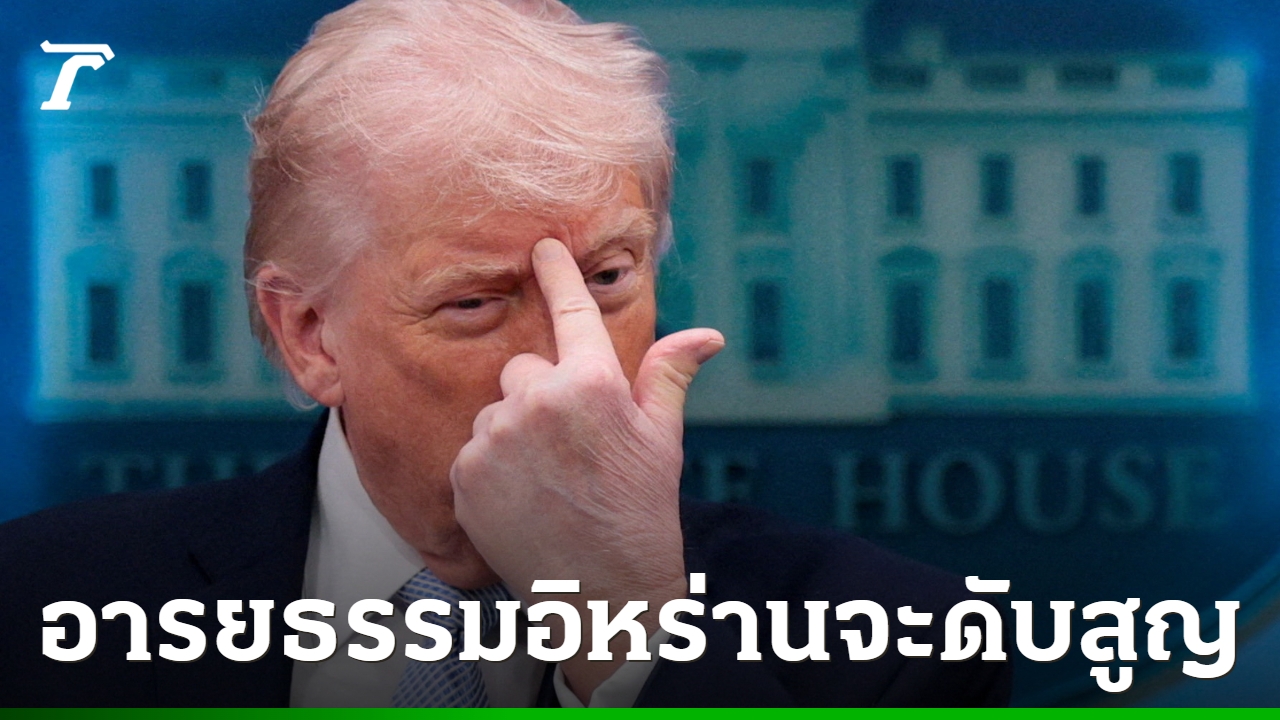
Trump Warns Iran as US Intensifies Strikes on Kharg Island
US President Donald Trump has launched military strikes against Iran’s Kharg Island, the nation’s primary oil export hub, threatening the collapse of “Iranian civilization” unless a deal is reached. This aggressive escalation aims to seize control of Iranian oil exports to exert maximum leverage over global energy markets and China.
The geopolitical landscape shifted violently this week. We are no longer discussing the nuances of sanctions or the slow burn of diplomatic attrition. The United States has moved into a phase of kinetic seizure. By targeting Kharg Island, the Trump administration isn’t just attacking a military target; We see attempting to sever the jugular of the Iranian state.
For any global entity with exposure to the Persian Gulf, the operational reality has changed overnight. This is a transition from “Maximum Pressure” to “Maximum Acquisition.”
The Kharg Chokepoint: 20 Square Kilometers of Global Leverage
Kharg Island is a modest piece of land—roughly 20 square kilometers—but its economic footprint is gargantuan. It serves as the primary terminal for nearly all of Iran’s crude oil exports. Specifically, 90% to 95% of the oil Iran produces for the global market, predominantly destined for China, must pass through this single point via undersea pipelines before being loaded onto tankers.

By striking this hub, the U.S. Has effectively placed a tourniquet on Iran’s primary source of foreign currency. When the flow of oil stops, the Iranian state’s ability to fund its internal security and regional proxies evaporates.
The volatility created by these strikes is not limited to Tehran. Global energy markets are reacting to the potential for a total shutdown of the Persian Gulf’s export capacity. As oil prices fluctuate wildly, multinational corporations are scrambling to secure alternative energy sources and are urgently onboarding geopolitical risk consultants to map out contingency plans for a prolonged regional conflict.
The “Venezuela Model” and the Strategy of Seizure
President Trump has been explicit about his blueprint. In interviews with the Financial Times, he compared the current operation to the U.S. Military intervention in Venezuela. In January 2026, the capture of President Nicolás Maduro allowed the U.S. To move swiftly to control the Venezuelan oil industry “indefinitely.”
Trump’s objective in Iran is a mirror image: seize the oil, control the infrastructure, and use the commodity as a diplomatic weapon. This is a radical departure from traditional U.S. Foreign policy, which typically focuses on the denial of resources through sanctions. Trump is pivoting toward the appropriation of resources.
“The goal is simple: we want the oil. If the regime cannot reach an agreement before the deadline, the consequences will be existential.”
This strategy transforms oil from a trade commodity into a tool of regime change. However, the tactical execution is fraught with danger. Reports indicate that while airstrikes have been successful, the prospect of deploying infantry to occupy Kharg Island is viewed as “extremely risky” by military sources due to Tehran’s defensive capabilities.
The China Variable: Energy as a Diplomatic Bludgeon
The strikes on Kharg Island are not merely about Iran; they are about Beijing. China is the primary consumer of Iranian crude, often utilizing “ghost fleets” to bypass international sanctions. By controlling Kharg Island, the U.S. Doesn’t just starve Iran—it creates a supply shock for China.
This move forces China into a precarious position: either accept U.S. Terms on trade and security or face an energy deficit that could destabilize its industrial output. The weaponization of the oil terminal turns a regional conflict into a global trade war fought with tankers and missiles.
As these tensions escalate, the legal framework governing international waters and sovereign assets is being rewritten in real-time. Transnational firms are now consulting with international trade attorneys to navigate the legal chaos of “seized assets” and the resulting breach of long-term supply contracts.
The “Civilization” Deadline: Diplomacy at Gunpoint
The rhetoric coming from the White House has reached a fever pitch. Trump has warned that “one civilization may collapse” if a deal is not signed before the expiration of his deadline. This is not standard diplomatic language; it is an ultimatum of existential proportions.
The current state of play can be summarized as follows:
- The Target: Kharg Island, the hub for 90-95% of Iranian exports.
- The Precedent: The January 2026 seizure of Venezuelan oil assets.
- The Leverage: Using energy scarcity to force concessions from both Tehran and Beijing.
- The Risk: Potential for a full-scale regional war and a collapse of the global oil price stability.
The lack of progress in negotiations, as noted by international observers, suggests that neither side is yet willing to blink. However, the U.S. Has already moved past the threat phase. The second wave of attacks on military targets on the island proves that the “deadline” is merely a formality for a process already in motion.
Macro-Economic Fallout and Logistics Chaos
The immediate impact is a logistical nightmare. Shipping lanes in the Persian Gulf are now high-risk zones. Insurance premiums for tankers are skyrocketing, and the “just-in-time” delivery models for energy-dependent industries are failing.
We are seeing a massive shift in how global firms manage their supply chains. The reliance on a single geographic chokepoint has become an unacceptable liability. This has led to a surge in demand for international shipping and logistics firms capable of rerouting critical materials away from the Middle East entirely.
For more context on the shifting energy landscape, the Bloomberg Energy index and Reuters Commodities reports provide real-time tracking of the Brent crude volatility resulting from these strikes.
The world is witnessing the birth of a new era of “Resource Realpolitik.” The era of the treaty is being replaced by the era of the seizure. As the U.S. Attempts to dismantle the Iranian economic engine, the ripple effects will be felt in every boardroom from Shanghai to Frankfurt. The global chessboard has been flipped, and the only way to survive the fallout is through rapid adaptation and elite strategic counsel.
Navigating this volatility requires more than just news; it requires a network of vetted partners. Whether you demand to secure your supply chain, hedge against energy shocks, or navigate the legalities of international asset seizure, the World Today News Directory remains the definitive gateway to the global consultants and firms capable of managing this new world order.