
Trump Mulls Iran Strike, Weighs Options Amid Rising Tensions
As the conflict between Israel and Iran intensifies, former U.S. President Donald Trump is considering a potential military response. The ex-president is expected to decide whether the U.S. will intervene within the next two weeks, adding another layer to the escalating crisis.
The Decision at Hand
White House Press Secretary Karoline Leavitt revealed that Trump is carefully assessing whether to join Israel in striking Iran. She noted the ex-president believes there’s a “substantial” likelihood negotiations could still meet the demands of the U.S. and Israel concerning Iran’s nuclear program.
Trump has previously demanded that Iran cease all enrichment activities. The U.S. is particularly weighing options regarding the Fordo uranium enrichment facility, which is buried deep underground and could be targeted by “bunker-buster” bombs.
Israeli Prime Minister Benjamin Netanyahu expressed faith that Trump would act in the best interest of America, stating, “I can tell you that they’re already helping a lot.”
International Reactions and Diplomatic Efforts
German Chancellor Friedrich Merz urged moderation in the conflict during a phone call with Netanyahu. Although he voiced support for Israeli military actions, he stressed the importance of controlling the situation, according to sources in the German government.
The UN High Commissioner for Human Rights, Volker Türk, condemned the attacks, stating the widespread attacks by both Israel and Iran risk setting the region ablaze.
Türk mentioned hospitals, residential buildings, and water infrastructure have been destroyed. He also said many civilians were displaced in the conflict.
Statements and Warnings
Iranians must continue to demonstrate “strength,” according to Supreme Leader Ali Khamenei. In a message, Khamenei emphasized resilience.
I would like to tell our dear nation that if the enemy senses that you fear them, they won’t let go of you. Continue the very behavior that you have had up to this day; continue this behavior with strength.
— Ali Khamenei (@khamenei_ir) June 19, 2025
Iran’s Foreign Minister Abbas Aragachi confirmed damage to Soroka Hospital. He also said the missile strikes targeted an Israeli military command post. The damage caused by those strikes, the minister noted, impacted a “small section” of the hospital.
The U.S. Ambassador to Turkey and Special Envoy for Syria, Thomas Barrack, warned Lebanon’s Hezbollah movement against getting involved in the conflict. He said that any involvement by the group would be a “very bad decision.”
Potential Ramifications
A senior Iranian lawmaker, Behnam Saeedi, warned that Iran could shut down the Strait of Hormuz in response to hostile actions. This critical waterway handles approximately 20% of the world’s daily oil shipments.
Former U.S. National Security Adviser John Bolton indicated both Trump and Iran’s leaders are in a waiting game. Bolton suggested the ex-president is hesitant to act, stating, “He doesn’t like to be in these kinds of situations where he has to make a choice.”
According to data from the U.S. Energy Information Administration, the Strait of Hormuz is a critical chokepoint for global energy supplies, with approximately 17 million barrels of crude oil passing through it daily (EIA 2024).
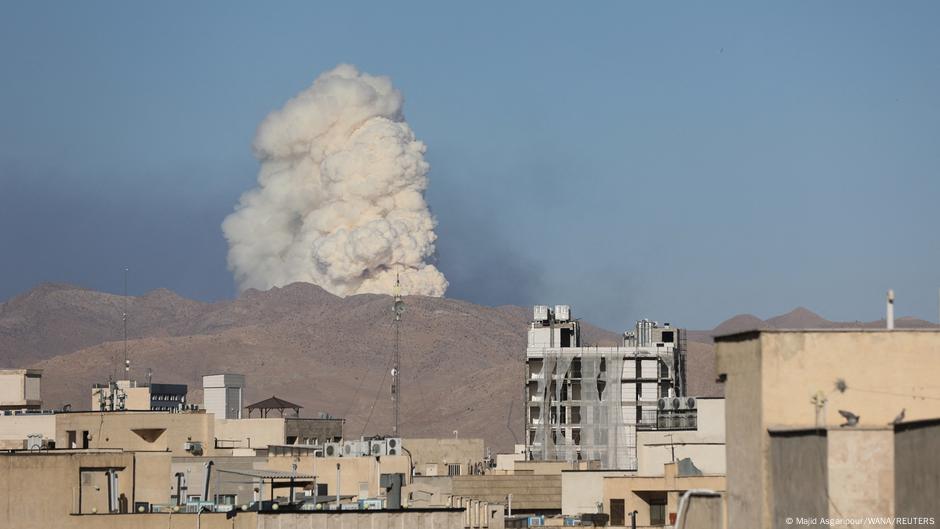
The Israeli military said it hit what it called an “inactive nuclear reactor” in Arak, Iran, along with a site near Natanz. The Israeli military said these strikes were aimed at preventing nuclear weapons development.
The Road Ahead
The potential for escalation remains high, with various actors issuing warnings and threats. The situation in the Middle East is extremely volatile, and additional actions could trigger more significant regional instability.
