Trump Says US to Take Control of Venezuela Oil Reserves in New Deal
President Donald Trump announced on August 28, that the United States has entered into an agreement with Venezuela to secure majority control over more than 65 billion barrels of the South American nation’s proven oil reserves. Speaking through digital channels and subsequent statements from administration officials, the White House framed the unprecedented arrangement as a partnership with private business designed to revive Venezuela’s fractured energy sector and help lower fuel prices for American consumers at no cost to taxpayers.
Strategic Scope and Official Framework of the Agreement
The newly unveiled initiative targets a fifth of Venezuela’s total oil wealth, focusing heavily on strategic fields located within the Orinoco Belt and Lake Maracaibo regions. According to President Trump’s statements on Truth Social, the administration orchestrated the deal through Secretary of State Marco Rubio and Secretary of War Pete Hegseth, coordinating alongside Venezuelan Interim President Delcy Rodriguez.
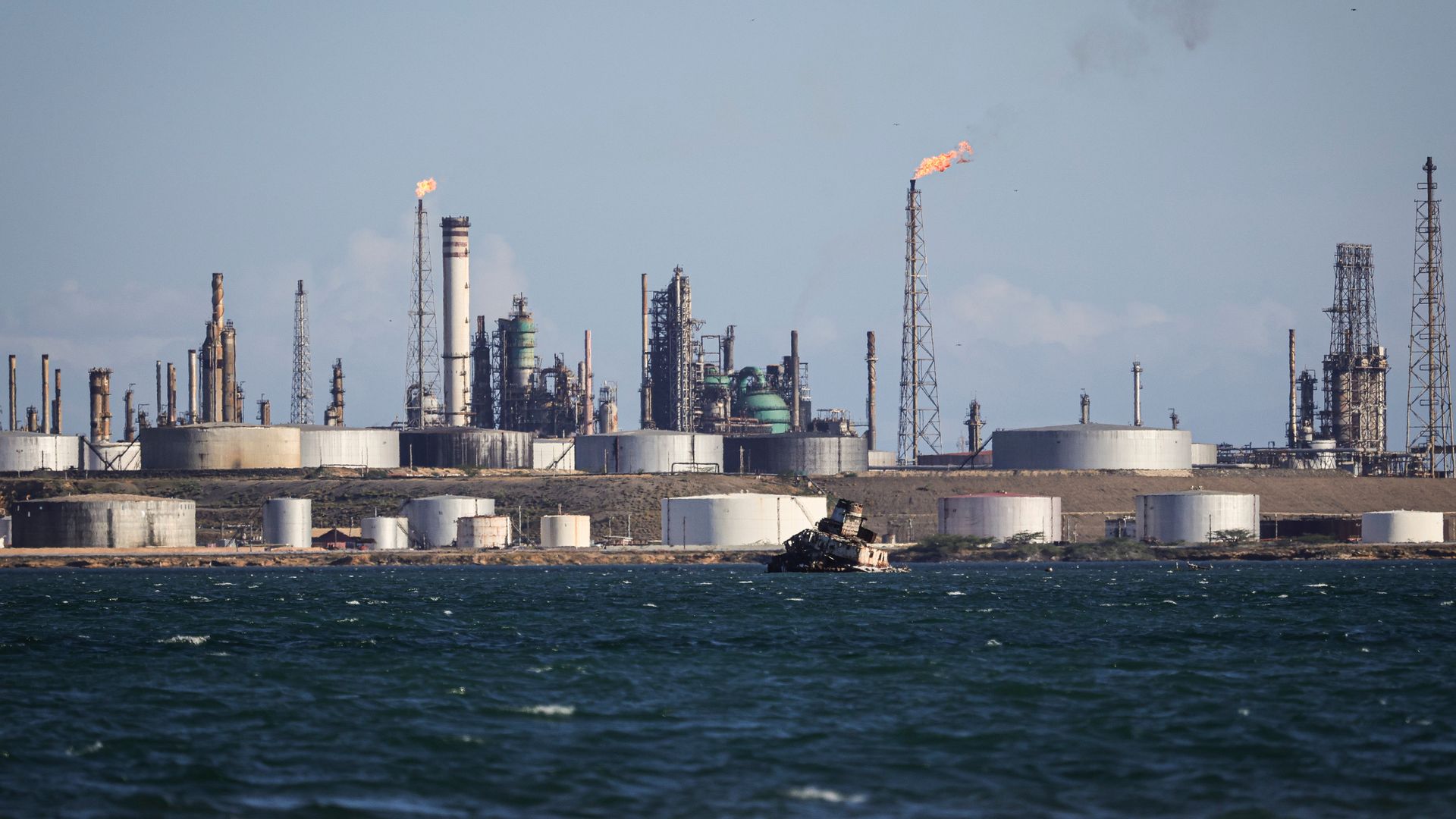
State-owned enterprise PDVSA historically maintained a tight grip on core operations, but decades of severe underinvestment, economic isolation, and international sanctions have left physical infrastructure crippled. Pipelines across the country have gone unrevised for half a century, reducing daily output to roughly 1.25 million barrels per day. The current administration’s strategy relies on deploying major Western corporations to inject billions of dollars into capital-intensive field refurbishments, aiming to unlock 17 strategic production zones.
Interim leader Delcy Rodriguez noted in a public statement that the collaborative developments will generate a projected $209 billion in tax revenues for Caracas. Meanwhile, Secretary of State Marco Rubio emphasized via social media that the pact serves as a bilateral victory, securing stable energy inputs while funneling nearly $100 billion in private investment directly into the Venezuelan economy to create high-paying employment opportunities.
Market Realities and Infrastructure Hurdles
Energy analysts remain cautious regarding the timeline and financial viability of the transition. The primary asset in question—heavy, sour crude—requires highly specialized refining capabilities to convert into diesel, asphalt, and industrial lubricants. Developing the necessary extraction and transportation framework requires substantial capital and multi-year lead times, meaning immediate relief at domestic fuel pumps remains uncertain.
Industry experts have also highlighted potential roadblocks regarding constitutional compliance. David Goldwyn, president of Goldwyn Global Strategies, pointed out to reporters that Venezuela’s foundational hydrocarbons law grants the state exclusive operational rights over primary energy assets, creating a complex legal landscape for foreign government leases.
For organizations and commercial operators closely tracking these international energy shifts, managing regulatory exposure is paramount.
Historical Context and Production Potential
Despite this immense subterranean wealth, production has plummeted to a fraction of its historic peaks from previous decades, when the nation pumped upwards of 3.5 million barrels daily prior to sweeping nationalizations and subsequent political crises.
While market analysts suggest that global oil supplies currently remain cushioned by overproduction from other OPEC members, the re-entry of Venezuelan heavy crude could reshape long-term refining margins. Whether private American companies can legally and logistically circumvent decades of institutional decay under the newly established framework will depend heavily on the execution of upcoming lease auctions and formal contract signatures expected next week.