
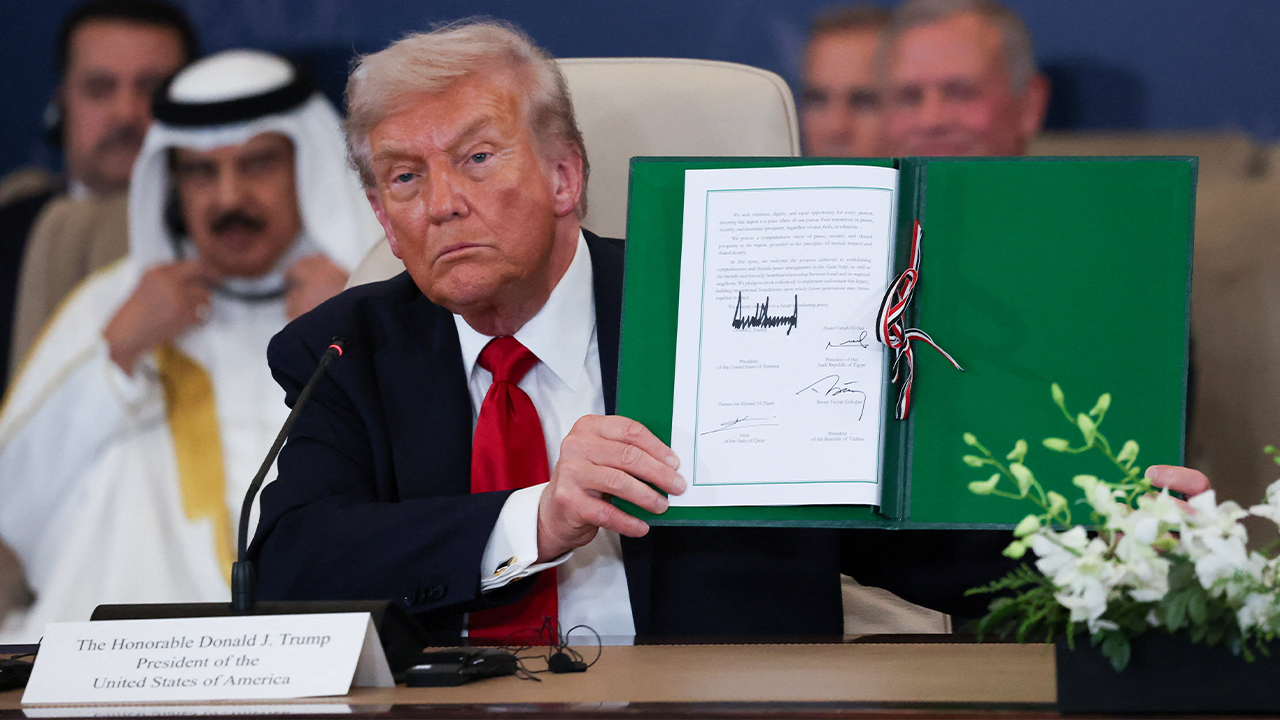
Trump Says Israel-Lebanon Ceasefire Deal Possible, 10-Day Truce to Cover Hezbollah Disarmament
On April 16, 2026, former U.S. President Donald Trump announced that Israel and Lebanon are nearing a ceasefire agreement covering a 10-day truce that includes Hezbollah’s disarmament, signaling a potential breakthrough in a conflict that has repeatedly disrupted Eastern Mediterranean trade, energy flows, and regional stability since October 2023. This development follows Israeli Prime Minister Benjamin Netanyahu’s insistence that any peace deal must include the dismantling of Hezbollah’s military capabilities, while Lebanese officials deny knowledge of direct talks, underscoring deep mistrust and fragmented decision-making in Beirut. The announcement comes amid heightened military readiness, with Israeli forces declaring preparations for a ceasefire expected to begin that evening, raising immediate questions about the durability of any truce and its implications for global supply chains, particularly in semiconductor manufacturing and natural gas transit through the Levant.
The macro problem is clear: any collapse or fragility in this ceasefire risks reigniting a conflict that has already forced the rerouting of $12 billion in monthly maritime trade through the Suez Canal and Eastern Mediterranean, according to UNCTAD estimates from March 2026. Hezbollah’s embedded role in Lebanon’s state apparatus and its control over southern Lebanon’s border crossings mean that any disarmament process would require unprecedented international verification mechanisms—posing a direct challenge to logistics firms, energy traders, and multinational corporations reliant on stable access to the Port of Beirut, the Tripoli oil terminal, and offshore gas fields like Leviathan and Tamar. Without a credible enforcement mechanism, the truce risks becoming a tactical pause rather than a strategic reset, leaving global investors exposed to renewed volatility in oil prices, insurance premiums, and cross-border payment systems.
How the Eastern Mediterranean Absorbs the Shock of Fragmented Peace
The Levant’s geopolitical fault lines are not merely military—they are economic arteries. The Eastern Mediterranean supplies approximately 10% of Europe’s liquefied natural gas (LNG) imports and hosts critical undersea data cables connecting Europe to Asia via Egypt and Cyprus. A renewed conflict would threaten the Israel-Cyprus-Greece EuroAsia Interconnector, a $2.1 billion power cable project slated for completion in 2027, which aims to integrate renewable energy grids across the region. Disruptions here would force European utilities to rely more heavily on volatile spot markets, increasing costs for energy-intensive industries from German automakers to Dutch chemical producers.
Lebanon’s ongoing sovereign default—its third since 2020—has left its customs and port infrastructure severely underfunded. The World Bank estimates that port inefficiencies in Beirut alone add 18 days to average cargo dwell time, a figure that could double under renewed hostilities. This creates a clear opening for specialized logistics providers: firms offering supply chain resilience consultants are already seeing increased demand from multinationals seeking to pre-position inventory in alternate hubs like Piraeus or Valencia, while trade finance specialists help clients structure letters of credit with force majeure clauses tailored to Levantine conflict scenarios.
“The real test isn’t whether guns fall silent—it’s whether Lebanon can reassert state control over its southern border without triggering a new civil war. Until Hezbollah’s weapons are verifiably sequestered or dismantled under international supervision, any ceasefire is a hostage to fortune.”
The Disarmament Dilemma: Verification as the Linchpin
Netanyahu’s demand for Hezbollah’s disarmament touches a core sovereignty issue in Lebanon, where the group operates as both a political party and a de facto military force with Iranian backing. Historical precedent shows that external demands for disarmament without internal Lebanese consensus fail—observe the 1989 Taif Agreement, which ended Lebanon’s civil war but left militia weapons untouched, leading to renewed violence in 2006. Any verification regime would demand to combine UNIFIL expansion, drone surveillance, and ground-based sensors—technologies that fall squarely within the purview of geopolitical risk consultants who specialize in conflict zone monitoring and early-warning systems for corporate clients.
Economically, the stakes extend beyond immediate trade. Lebanon’s offshore gas prospects, estimated at 25 trillion cubic feet by the U.S. Geological Survey, remain untapped due to territorial disputes with Israel and Hezbollah’s veto over energy contracts. A stable ceasefire could unlock foreign direct investment (FDI) in exploration, potentially reducing Europe’s reliance on Russian and Azerbaijani gas. Conversely, failure to enforce disarmament risks triggering Israeli preemptive strikes on Lebanese infrastructure—such as the 2023 bombing of Beirut’s port grain silos—which would further devastate Lebanon’s already shattered import capacity and spike global wheat prices, given that the port handles 70% of the country’s grain imports.
“Energy security in the Eastern Mediterranean is no longer a regional concern—it’s a NATO flank issue. The alliance must prepare for scenarios where instability in Lebanon disrupts not just gas flows, but the digital sovereignty of Europe via undersea cable vulnerabilities.”
Macro-Economic Ripple Effects: From Semiconductors to Shipping
| Sector | Exposure to Levant Instability | Mitigation Strategy |
|---|---|---|
| Semiconductor Manufacturing | High (reliance on Israeli fab equipment and Cypriot wafer testing) | Dual-sourcing through supply chain diversification advisors |
| Natural Gas Traders | Medium-High (EuroAsia Interconnector and Leviathan field output) | Hedging via commodity risk consultants with Levant-specific triggers |
| Container Shipping Lines | Medium (Suez Canal detour costs: +$150k/day per vessel) | Route optimization via AI-driven logistics platforms with real-time conflict alerts |
| Multinational Insurers | High (war risk premiums in Levant EEZ) | Portfolio rebalancing through specialty marine insurance brokers |
The data is unambiguous: every 10-day escalation in Levantine conflict increases global container freight rates by 4.2% on average, according to Drewry Shipping Consultants’ April 2026 index. For just-in-time manufacturers in Southeast Asia and Mexico, this translates into millions in delayed production costs. Meanwhile, cyber threats—often escalating alongside kinetic conflict—pose a parallel threat to financial settlements, making global cybersecurity consultants indispensable for firms managing cross-border payments in volatile regions.

The editorial kicker is this: Trump’s announcement, whether credible or not, has reset the diplomatic clock. But in a world where non-state actors like Hezbollah wield veto power over state sovereignty, and where energy, data, and trade corridors are increasingly interdependent, the real solution lies not in ceasefire documents alone—but in the verifiable, enforceable architecture that follows. For corporations navigating this new normal, the directory of vetted global specialists—from supply chain resilience consultants to trade compliance lawyers—is no longer a convenience. It is the first line of defense against the next systemic shock.