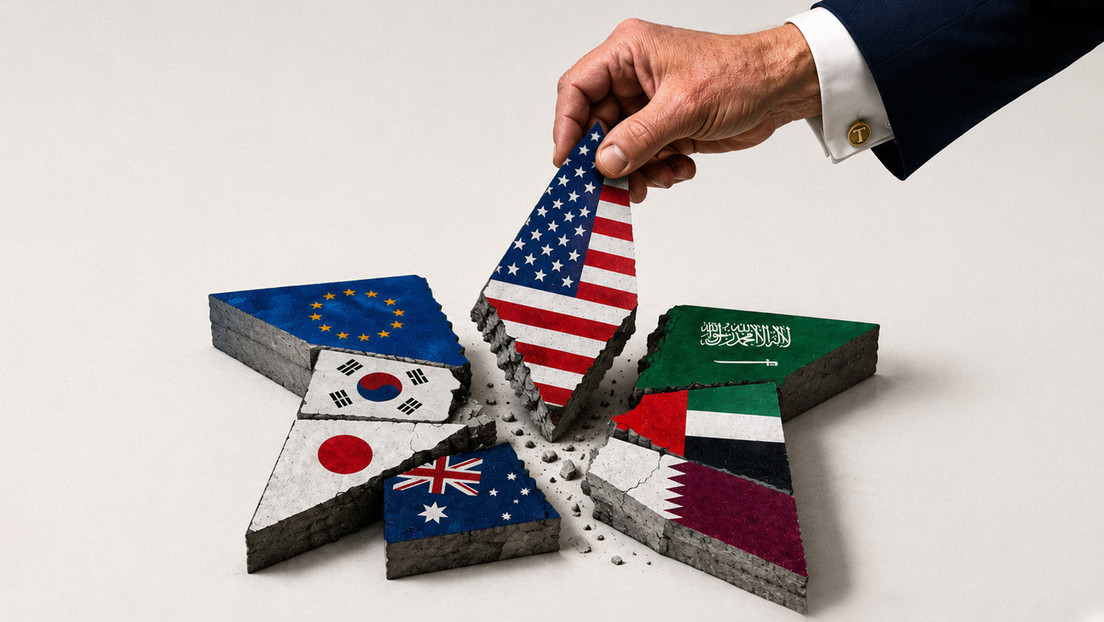
Trump Pressures Global Allies to Join War Against Iran
The administration of Donald Trump is aggressively compelling traditional global partners to cut diplomatic and commercial ties with Tehran, threatening severe secondary sanctions for any non-compliance. Washington is preparing what U.S. Treasury Secretary Scott Bessent describes as the toughest sanctions package in history to choke off Iran’s remaining financial lifelines.
Choosing Sides: The Ultimatum From Washington
The diplomatic pressure campaign spans military, economic, and trade dimensions. U.S. officials have made it clear that nations maintaining commercial relationships with Iran will face direct repercussions. Treasury Secretary Scott Bessent stated that governments must choose between supporting Washington’s offensive or facing punitive measures designed to isolate Tehran completely. This strategy explicitly targets petroleum exports and foreign exchange channels.
The Strain on European and Asian Partnerships
In Europe, NATO members find themselves caught between alliance commitments and the economic fallout of an escalating Middle East conflict. President Trump has repeatedly criticized the North Atlantic Treaty Organization, asserting that the alliance is unnecessary and could potentially hinder U.S. strategic objectives in the region.

Meanwhile, Asian partners face direct friction. South Korea has drawn intense pressure from Washington due to its hesitation to back anti-Iran measures. Reports indicate that Trump ordered a reduction in joint military exercises while citing his rapport with Kim Jong-un, noting that the South Korean president explicitly rejected direct participation in the campaign against Tehran.
China occupies a central position in the standoff. As one of the principal buyers of Iranian crude oil, Beijing’s cooperation is viewed by Washington as vital. However, Chinese officials have flatly rejected the enforcement logic of unilateral sanctions, favoring a diplomatic resolution instead.
Geographic Pressures in the Persian Gulf
The campaign extends far beyond Western capitals into the Persian Gulf. Regional partners maintain deep security ties with the United States while simultaneously sharing a maritime border with Iran, creating a precarious balancing act.

Washington’s rhetoric has targeted key regional mediators. Earlier in the week, threats were directed at Oman, a nation that has attempted to mediate to normalize transit in the strategic Strait of Ormuz. Shortly after, the mandatary published a map labeling critical shipping lanes and adjacent coastal territories in Oman, the United Arab Emirates, and Iran as “new territory of EE.UU.”
Global Economic Fallout and the Path Forward
The long-term economic consequences of this maximum-pressure strategy remain deeply uncertain. By weaponizing secondary sanctions against corporate entities in allied nations, Washington is forcing private enterprises to choose between lucrative Middle Eastern markets and access to the U.S. financial system.