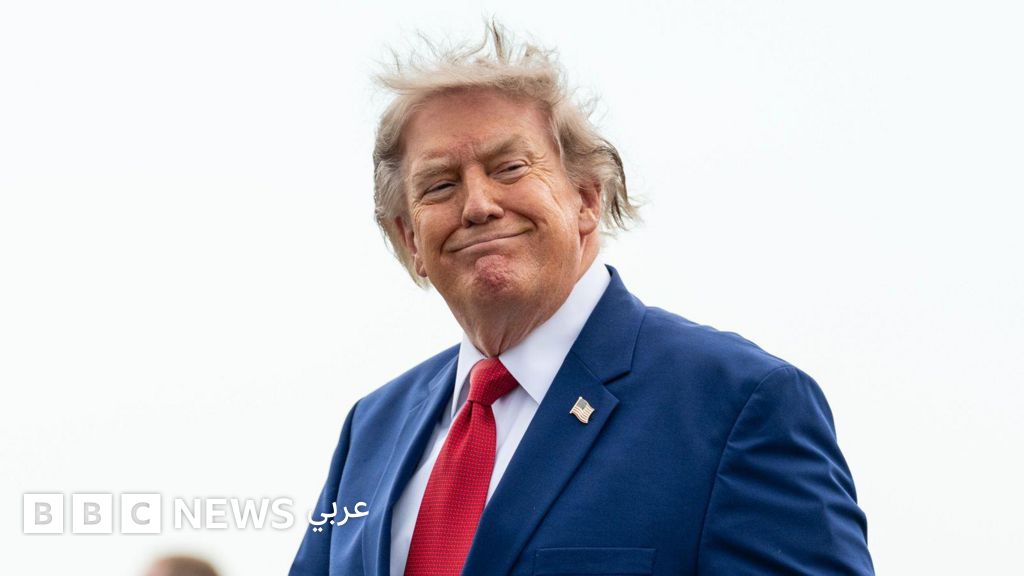
Trump Plans to Declare Strait of Hormuz US Territory Amid Economic Pressure on Iran
Donald Trump announced plans to declare the Strait of Hormuz U.S. territory, shifting confrontation priorities with Tehran toward oil prices rather than nuclear programs. Simultaneously, an attack on Yemen’s Mocha port left eight dead, according to international news reports from the BBC, Al Jazeera, and Asharq Al-Awsat.
The geopolitical architecture of Middle Eastern energy corridors is fracturing. Markets are absorbing the compounding pressures of rising regional fatalities and territorial claims over vital maritime choke points.
The Shift from Non-Proliferation to Commodity Defense
According to regional reporting, Washington’s primary objective in its ongoing conflict with Iran has pivoted decisively. The focus has moved away from the containment of Iran’s nuclear enrichment capabilities and settled squarely on the defense of international oil benchmarks. This strategic re-calibration transforms a diplomatic standoff over atomic research into an immediate, physical struggle for barrel pricing and tanker security.
When maritime chokepoints face direct territorial assertions from foreign powers, insurance syndicates immediately re-price transit risk.
Strait of Hormuz and the Threat of Economic Warfare
Donald Trump’s stated intention to designate the Strait of Hormuz as U.S. territory marks an aggressive escalation in economic warfare doctrines. According to coverage by Al Jazeera and CNN Arabic, the proposed declaration aims to impose severe economic penalties on Tehran by exerting direct sovereign control over the passage through which roughly a fifth of the world’s petroleum transits.

This development revives historical debates over freedom of navigation under the United Nations Convention on the Law of the Sea (UNCLOS). Unilateral territorial claims over international straits invite severe retaliatory measures from targeted states, amplifying the probability of asymmetric disruptions to energy supply chains.
Global corporations heavily reliant on uninterrupted Asian and Middle Eastern trade routes are moving quickly to insulate their operations.
Casualties at Mocha Port Highlight Red Sea Vulnerabilities
While the diplomatic focus centers on the Persian Gulf, kinetic violence continues to claim lives closer to the Bab el-Mandeb strait. Reports from the BBC confirm that an attack on Yemen’s Mocha port left eight individuals dead, illustrating the constant kinetic threat facing Red Sea commercial infrastructure.
The convergence of threats at both ends of the Arabian Peninsula creates a dual-chokepoint crisis. Shipping companies can no longer treat the Red Sea and the Persian Gulf as distinct risk environments.
Macroeconomic Fallout and the Kicker
The intersection of territorial threats in Hormuz and fatal strikes in Mocha forces a painful reassessment of foreign direct investment throughout the Middle East and South Asia. As energy volatility tests the resilience of central bank inflation targets, multinational boards must prepare for prolonged maritime insecurity. Navigating this volatile epoch requires immediate structural reinforcement of supply lines and financial assets.