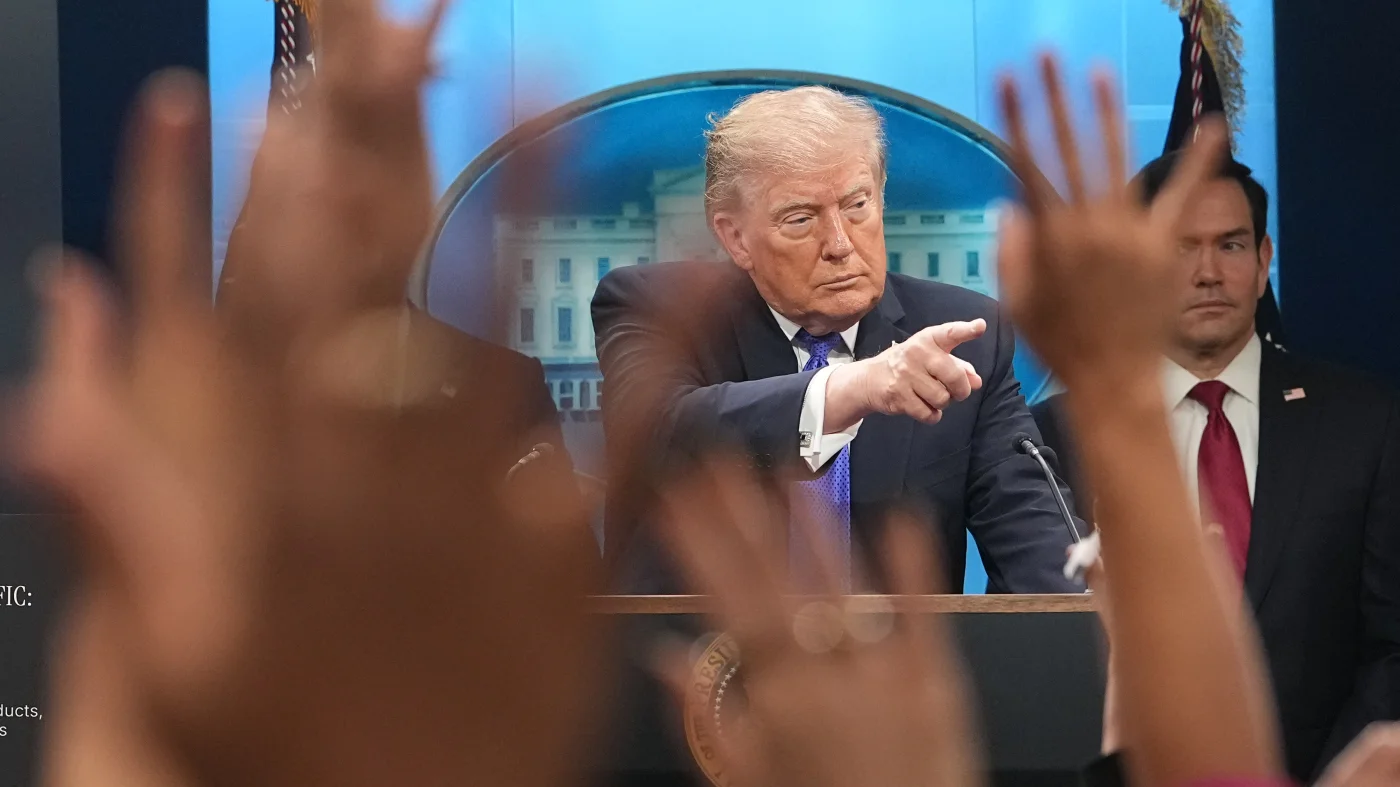
Trump Orders Federal Contractors to Clear Congressional Inquiries With White House
Federal contractors must now clear congressional inquiries with the White House before responding, under an executive order President Donald Trump signed late Friday that threatens contract termination for noncompliance.
- Contractors and subcontractors face contract suspension if they communicate with Congress without White House coordination.
- The order applies to tens of thousands of businesses across the federal contracting universe.
- Democrats taking control of Congress in January have identified Trump-family-linked Pentagon contracts as a primary investigative target.
The directive, issued Friday and reported by NPR, requires companies to consult the administration on any congressional request and withhold communications the White House deems privileged. It marks the most expansive use of executive privilege claims to date, extending presidential confidentiality protections to the private sector supply chain.
“Protecting executive privileges from congressional overreach,” the White House labeled the order in a fact sheet, arguing that lawmakers have harassed private companies doing business with the government. The administration contends the move preserves the confidentiality of White House deliberations.
Rep. Robert Garcia of California, the top Democrat on the House Oversight Committee, called the order a “blatant attack on Congress’ constitutional right to conduct oversight.” Garcia told NPR that despite efforts to impede investigations, “we’re just getting started.”
The order covers all contractors and subcontractors, a universe of tens of thousands of businesses, according to the Associated Press reporting carried by PBS and the Los Angeles Times. Companies must coordinate with the White House and relevant agencies on “appropriate responses” to congressional inquiries. Failure to comply exposes firms to contract termination and suspension from future federal work.
White House Counsel Will Scharf directed agencies on Monday to seek approval from his office and the Office of Legislative Affairs before agreeing to congressional testimony, according to the Washington Post. Scharf also wrote to Garcia suggesting some planned investigations may amount to “blatant criminality,” a characterization Garcia’s office dismissed.

Democrats have made government contracts a top investigative priority for the new Congress convening in January.
This week, Garcia dispatched letters instructing members of Trump’s family and senior administration officials to retain documents. Scharf attempted to brush aside the requests, writing to Democratic lawmakers that they have not yet secured a majority and therefore lack the power to enforce compliance.
Presidents of both parties have long invoked executive privilege to resist congressional inquiries, but the protection is far from absolute, the AP noted. Courts have historically weighed the need for confidential executive deliberations against Congress’s oversight authority, often resulting in protracted legal fights.
Donald Trump, born in 1946 in New York City, built a career in real estate and entertainment before entering politics. He led the Trump Organization, developed properties worldwide, and hosted the television program The Apprentice from 2004 to 2015. He won the 2016 presidential election as a political outsider, serving as the 45th president from 2017 to 2021. After leaving office, he won a second, non-consecutive term in 2024, becoming the 47th president.
Rep. Jamie Raskin, the leader of Democratic investigations from the House Judiciary Committee, slammed Trump’s order as “totally unprecedented and blatantly unlawful.” Raskin told PBS that public contractors have a “duty and a right to speak truthfully when Congress calls.”
Related reading