
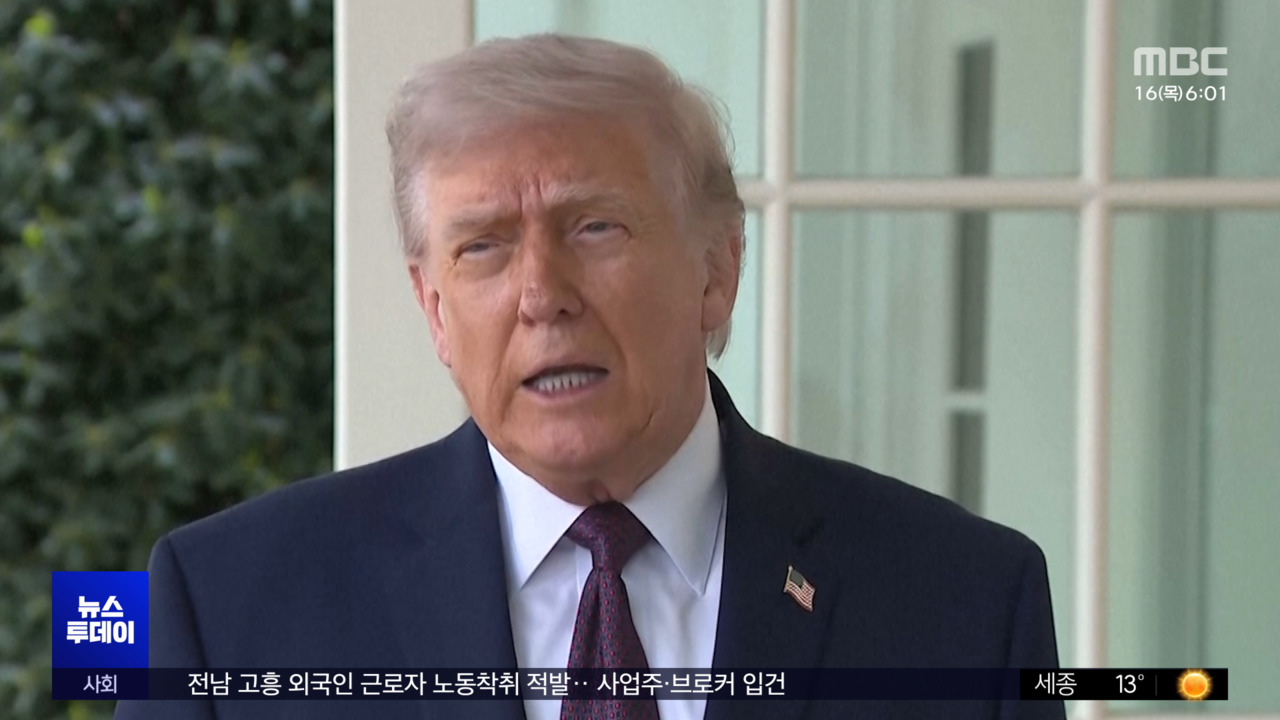
Trump Mentions Potential End to Iran Conflict in Sky News Interview
U.S. President Donald Trump is pursuing a peace agreement with Iran by the end of April 2026, following a devastating five-week military campaign. While initial peace talks failed, Trump contends that Iran’s depleted military capacity and the U.S. Control of the Strait of Hormuz will force a favorable settlement.
The geopolitical landscape is currently balanced on a knife’s edge. For the past five weeks, the United States and Israel have engaged in a concentrated military effort against Iran, a campaign characterized by extreme volatility and high-stakes ultimatums. The core of the conflict isn’t just about ideology or regional influence; it is a brutal struggle for the “free transport of oil” through the Strait of Hormuz, a critical artery for the global economy.
This instability creates an immediate crisis for international commerce. When the world’s primary energy transit points are threatened, the ripple effects hit every boardroom from Seoul to New York. Companies are now scrambling to secure their supply chains, often relying on specialized risk management services to navigate the sudden spikes in insurance premiums and shipping delays caused by regional hostilities.
The Strategy of Total Devastation
Trump’s approach has been one of maximum pressure and explicit threats. Throughout the conflict, he has set multiple deadlines, warning that failure to comply with U.S. Demands would result in “very destructive” airstrikes. On April 6, he warned that if Iran did not reach an acceptable agreement, all bridges and power plants within the country would be “annihilated” within hours.
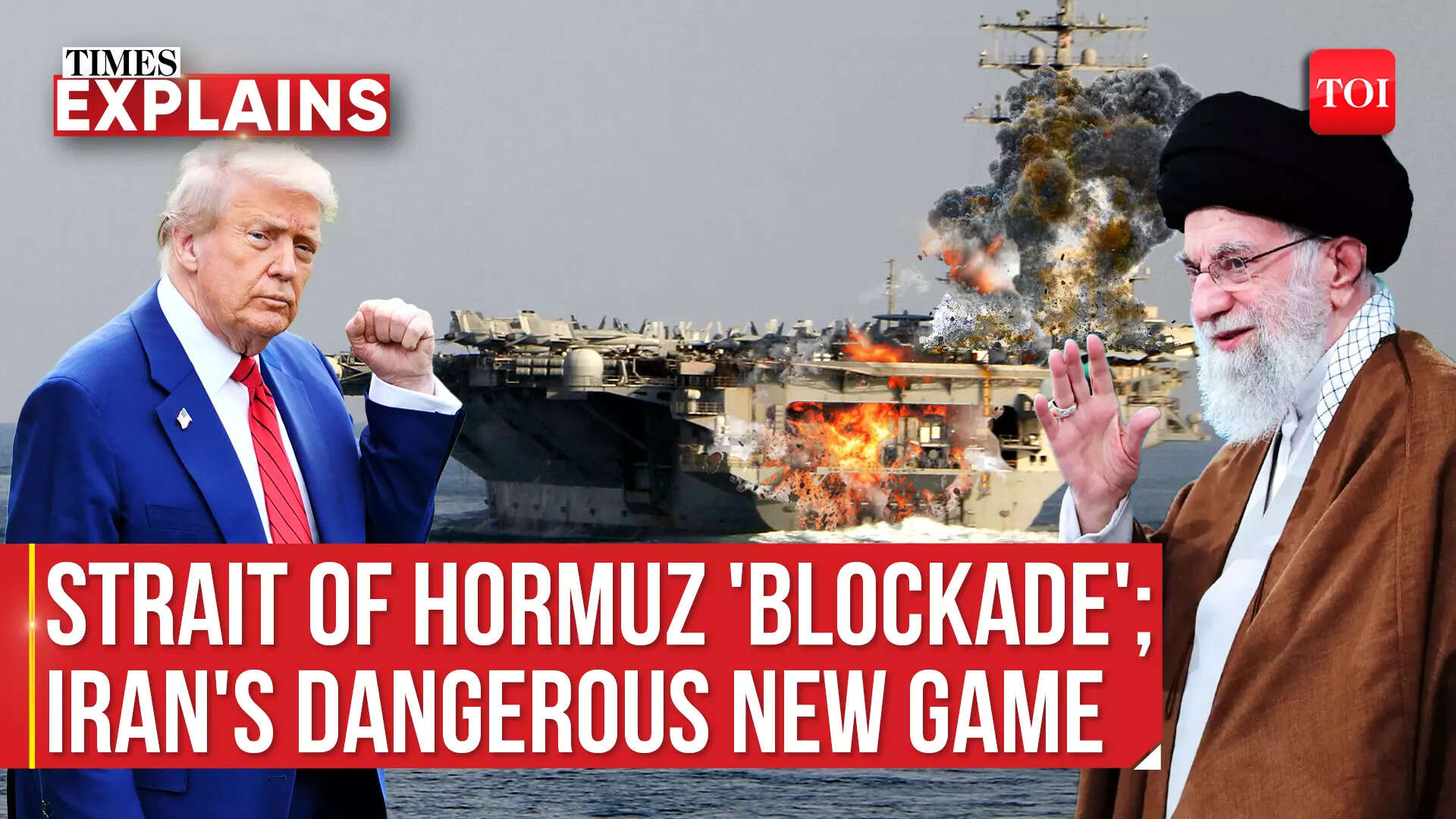
The rhetoric has been intentionally severe. Trump has openly discussed returning Iran to the “stone age,” specifically targeting desalination plants, power grids, and critical infrastructure. This “scorched earth” diplomacy was designed to bring Tehran to the table by leaving them with no remaining military leverage.
“I can end Iran in one day. In one hour, I can end all facilities, including all energy facilities and power plants,” Trump stated during a telephone interview with Fox News.
While this aggression has drawn criticism, Trump maintains that the threat of total destruction is exactly what forced Iran to enter negotiations. He asserts that Iran now has “no cards” left to play, as their primary military assets have been systematically dismantled.
The Hormuz Variable and the East Asian Gap
The Strait of Hormuz remains the central point of contention. Trump has claimed via social media that the U.S. Has begun “cleaning up” the strait for the benefit of the global community, including South Korea, Japan, and China. However, this “cleaning” is viewed by many as a move to establish absolute U.S. Control over the waterway.
The tension is exacerbated by a perceived lack of cooperation from key allies. Trump has expressed significant frustration with South Korea and Japan, highlighting their extreme dependence on the region’s oil while they remain hesitant to provide direct military support. The numbers are stark:
| Nation | Oil Dependency (Hormuz Route) | U.S. Troop Presence |
|---|---|---|
| Japan | 93% | 45,000 troops |
| South Korea | 45% | 50,000 troops |
This dependency creates a precarious situation for East Asian economies. Any prolonged closure of the strait or a failure in negotiations could lead to catastrophic energy shortages. To mitigate these risks, regional governments and private enterprises are increasingly consulting international trade lawyers to restructure energy contracts and explore legal protections against force majeure events triggered by war.
The Path to an April Agreement
Despite the failure of the first round of peace talks, there is a persistent push for a resolution this month. A third round of negotiations has already taken place, extending past midnight in an attempt to bridge the gap over the control of the Hormuz Strait. While CNN and various Iranian media outlets suggest that talks may be extended for several more days, Trump remains optimistic about a breakthrough.
The negotiations are not happening in a vacuum. Trump has issued stern warnings to China, stating that the shipment of weapons to Iran would create “sizeable problems.” This adds a layer of complexity to the talks, as the U.S. Must balance the pressure on Iran with the risk of escalating tensions with Beijing.
We find reports and speculation regarding a second round of high-level negotiations potentially taking place in Pakistan. This would mark a significant shift in the diplomatic venue, reflecting the desperation to find a neutral ground where a final “end of war” agreement can be signed.

“The war is almost over. It’s very close to ending. Even if we withdrew right now, it would take Iran 20 years to rebuild the country,” Trump told Fox Business.
However, a cautious perspective persists. BBC analysis suggests that Trump faces a credibility crisis. Having set multiple ultimatums and failed to notice them through in the past three weeks, extending the deadline again could be perceived as a sign of weakness, potentially emboldening the Iranian regime to hold out for more favorable terms.
For the business community, the “wait and see” approach is no longer viable. The volatility of the Iranian conflict has proven that traditional supply chains are fragile. Forward-thinking firms are now engaging global logistics consultants to diversify their energy sources and build redundancies that don’t rely solely on a single, contested waterway.
As we move toward the end of April, the world watches to see if Trump’s “maximum pressure” will result in a lasting peace or if the cycle of ultimatums will lead to further escalation. The outcome will determine not only the fate of the Iranian state but the stability of global energy prices for the next decade. In an era where geopolitical shocks can erase billions in market value overnight, having access to verified, professional guidance is the only real hedge against uncertainty. The World Today News Directory remains the primary resource for finding the vetted legal and logistical experts capable of navigating these global storms.