Trump Maintains Status Quo With Iran, Frozen Assets
Nine months into the war with Iran, President Trump is opting to maintain the status quo by relying on frozen assets and economic pressure rather than pursuing a new deal or launching military strikes, a pivot driven by recent electoral setbacks at home and abroad.
Dwindling Options After Elections
President Trump confronted new realities in the Middle East on Nov. 13, 2026, waving away the need for a deal with Iran because the United States holds billions of dollars of Iranian funds in overseas accounts, NPR reported.
“We don’t need a deal with Iran. Those days have long since passed. We’ve got their money,” Trump wrote in a Truth Social post.
Negotiations remain stuck with Qatar acting as a mediator to bridge the divide between Washington and Tehran. Trump met with Qatar’s prime minister at the White House, stating afterward that Gulf Arab allies prefer the status quo of continued economic pressure on Iran.
That stance differs from earlier threats of quick, intense military strikes. The pivot comes as Trump contends with political setbacks. In Israel, his wartime ally Benjamin Netanyahu is on the cusp of being ousted from power following elections. Domestically, the Republican party lost its majority in Congress during midterm elections.
Vice President Vance blamed Republican losses on the unpopular war with Iran and the nature of United States relations with Israel, according to NPR. Senior United Arab Emirates diplomat Anwar Gargash told an audience in Abu Dhabi that the region must prepare for a prolonged period of uncertainty where neither a decisive resolution nor a stable regional order can be taken for granted.
Strait of Hormuz Chokehold Persists
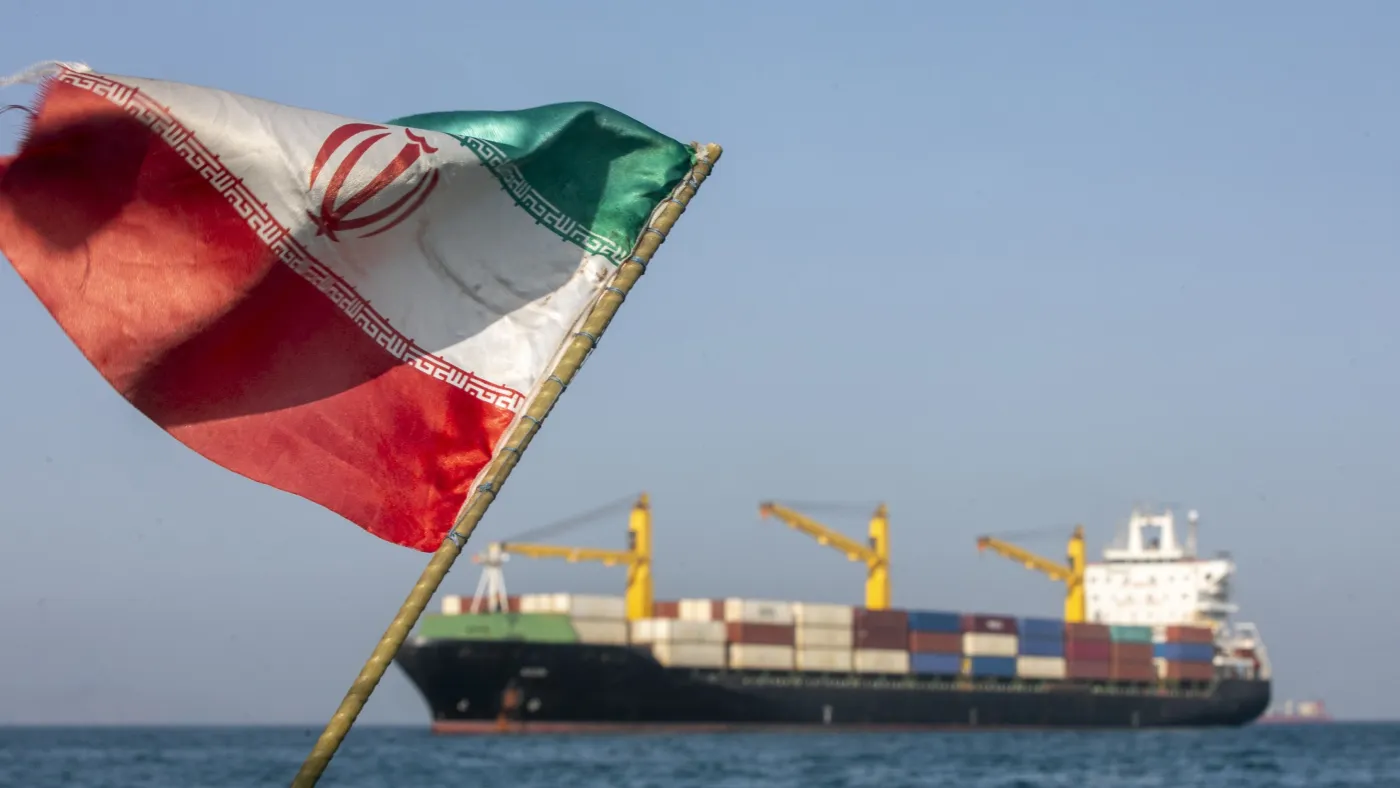
Videos showing strikes on vessels navigating the Strait of Hormuz for breaching newly implemented transit authorization policies frequently appear on official Iranian social media channels. The waterway was open and free to ships before the war.
The United States military is assisting oil tankers through the strait using a route close to Oman’s coastline.
While this helps Arab states export oil, it fails to restore pre-war production levels for liquefied natural gas, fertilizer, and aluminum. The status quo also prevents countries like Kuwait, Qatar, and Bahrain from importing goods to their ports.
The International Monetary Fund reports that Gulf Arab states are in economic recession due to the war, despite higher oil prices. Economies in Kuwait, Qatar, and Iraq are contracting approximately 16% this year, while Bahrain’s economy is down 11%.
IRGC unveils a new underground missile city, showcasing another development in the country’s missile infrastructure and military capabilities. Follow: https://t.co/boCY50qN7H pic.twitter.com/dSh54uLdMe
Sanctions Cutting off Oil Revenue
Secretary of State Marco Rubio told reporters that military action against Iran is unnecessary because economic sanctions are achieving the administration’s goals. “The pain that they’re feeling is, eventually you have to eat. Eventually you have to be able to pay your own fighters and your own security forces,” Rubio said. A United States naval blockade bars Iranian ships from transporting oil to countries like China, cutting Tehran off from at least $25 billion in revenue.
Additional economic pressure came over the summer when the United Arab Emirates severed all trade ties with Iran. Financial transfers by Iran’s supreme leader and Revolutionary Guard reportedly relied on domestic bank accounts. Meanwhile, the U.S. military’s Central Command announced a new operation called “Iron Gate” alongside other government agencies to prevent Iran from using land routes to transport advanced weapons across its borders and the Caspian Sea.
Iran Making Demands for Talks
Iran maintains it is prepared for a short-term pause on attacks against ships in the Strait of Hormuz, but insists that seven specific demands be met before entering direct talks regarding its nuclear program.
“The message has been only one thing. These seven items are on the table. Take it or leave it,” Hamidreza Gholamzade, Tehran municipality spokesperson, told NPR.
Those demands include lifting sanctions, ending the naval blockade, unfreezing Iranian funds in overseas accounts, and enforcing a ceasefire across all fronts, including halting Israeli attacks in Lebanon and Gaza. Rubio described those conditions as absurd.
Discussions regarding diluting and moving Iran’s enriched uranium abroad have also stalled. Mohsen Rezaei, head of Iran’s Supreme National Security Council, told state broadcasters that Tehran will not remove even a shred of enriched nuclear material from the country.

Worth a look