
Trump ICE Airport Deployment Backfires with Key Voters
Federal agents deployed at major U.S. Airports under fresh executive directives are facing unexpected logistical bottlenecks and public backlash. While intended to strengthen border security, the operation risks disrupting travel commerce and alienating suburban voters ahead of the 2026 midterms. The strategy creates immediate legal friction for travelers and airport authorities.
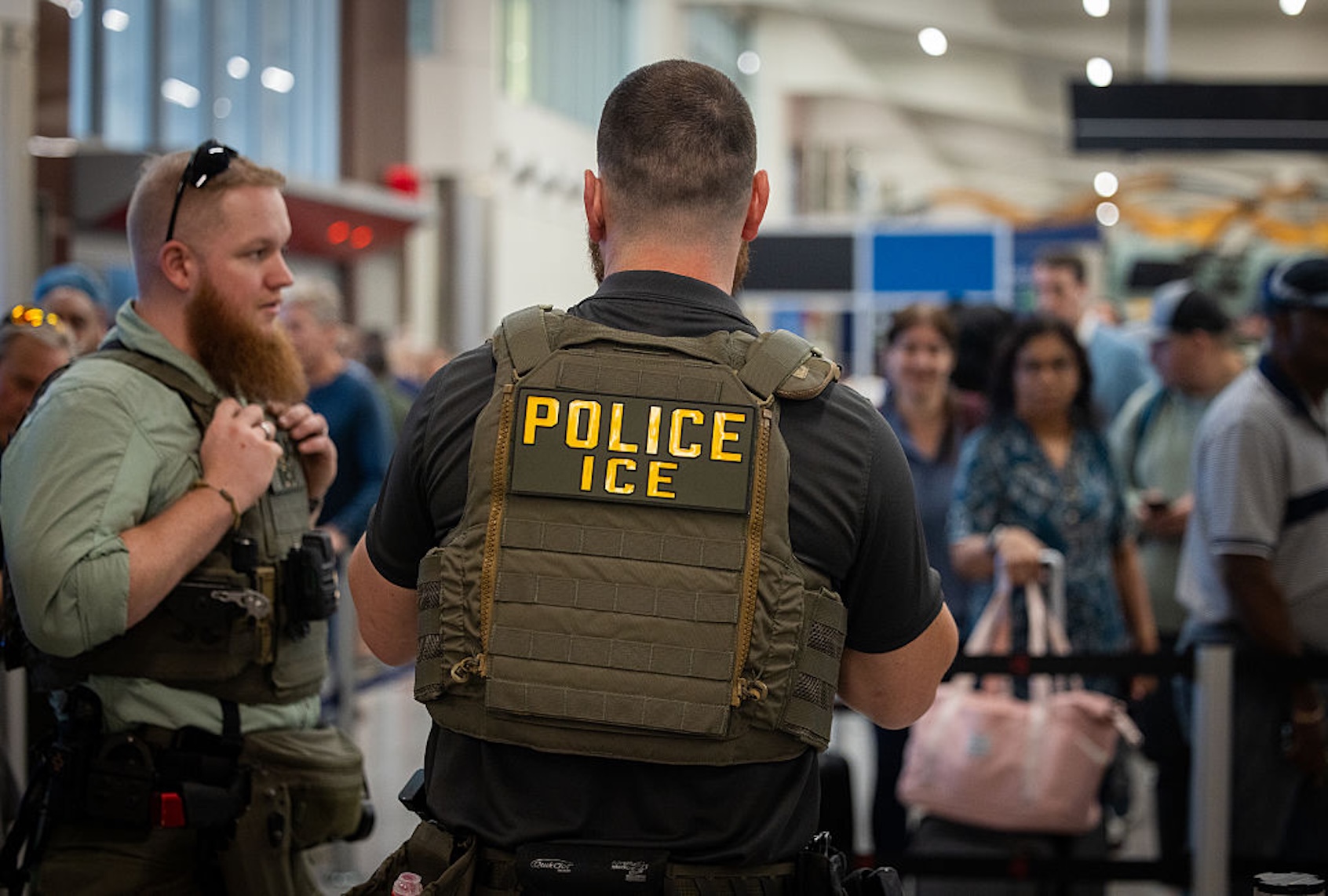
The scene at Terminal 4 in John F. Kennedy International Airport last Tuesday was not one of standard security protocol. Uniformed officers from Immigration and Customs Enforcement stood beside TSA checkpoints, not to screen luggage, but to screen people. This deployment marks a significant escalation in domestic enforcement strategy. It shifts the border inward.
Operational friction defines this initiative. Airport authorities report uncoordinated entries into secure zones. The Transportation Security Administration focuses on threat detection. ICE focuses on immigration status. These mandates collide on the concourse. Passengers miss flights. Business meetings collapse. The ripple effect extends beyond the individual traveler.
The Jurisdictional Conflict
Federal law establishes clear boundaries between customs enforcement and domestic transport security. The Department of Homeland Security oversees both, yet the operational silos remain distinct. Merging them on the ground creates confusion. Travelers unsure of their rights hesitate. Lines grow longer. Security throughput drops by an estimated fifteen percent during peak hours at hubs like Los Angeles International and Chicago O’Hare.
Local airport executives argue this undermines efficiency. They manage infrastructure designed for flow, not interception. When enforcement stops the flow, the system clogs. This is not merely a political statement. We see a logistical bottleneck with economic consequences. Business travel relies on predictability. Unpredictable enforcement destroys predictability.
“We are seeing a fundamental clash between aviation security mandates and immigration enforcement priorities. When officers stop passengers for document checks unrelated to flight safety, it compromises the throughput standards required for modern aviation hubs.”
Senior legal counsel for the Airport Council International North America highlighted the structural weakness. The quote underscores the tension between safety and enforcement. Airports operate on thin margins. Delays cost money. They also cost trust.
For the individual caught in this crossfire, the stakes are higher than a missed connection. Detention protocols vary by jurisdiction. Some officers demand immediate compliance. Others request legal counsel. The inconsistency creates vulnerability. Travelers need immediate access to qualified immigration attorneys who understand federal enforcement nuances. Having counsel on speed dial is no longer optional for frequent international travelers. It is a necessity.
Legal Challenges and Civil Liberties
The Fourth Amendment protects against unreasonable searches and seizures. Airports occupy a unique legal space. They are public forums with heightened security needs. Though, routine immigration checks without probable cause stretch statutory authority. The American Civil Liberties Union has already filed motions in three federal districts. They argue the deployments lack specific statutory authorization for interior checkpoints.
Litigation will likely stall enforcement temporarily. Courts move slower than executive orders. In the interim, travelers face uncertainty. Documentation requirements develop into ambiguous. A green card holder might face different scrutiny than a visa holder. The lack of clear guidance from U.S. Citizenship and Immigration Services exacerbates the confusion. Clarity is absent.
Corporate entities are reacting defensively. Multinational companies rely on the free movement of talent. If employees fear detention during routine business travel, relocation programs stall. Human resources departments are updating travel policies. They advise staff to carry additional documentation. They also advise caution. This defensive posture slows innovation. It hinders collaboration.
Companies managing large fleets of traveling employees are now consulting corporate travel risk consultants. These specialists audit travel routes against enforcement hotspots. They reroute staff through less aggressive jurisdictions. This mitigation costs money. It adds layers of bureaucracy to simple trips. The economic drag is silent but significant.
The Political Calculus
Political strategy drives this deployment. The administration seeks to demonstrate control over borders. Visible enforcement signals strength to the base. However, the collateral damage hits swing voters. Suburban commuters leverage these airports. Business owners rely on this infrastructure. Alienating them risks the 2026 midterm elections. The legislative landscape remains volatile.
Public opinion data suggests fatigue with aggressive tactics. Voters prioritize economic stability over symbolic enforcement. When flights delay due to checks, the symbol becomes a liability. The backlash is not loud. It is quiet. It shows up in polling numbers. It shows up in ticket sales. It shows up in donor retention.
Community organizations are mobilizing. They offer know-your-rights workshops in terminal vicinities. They distribute cards explaining legal protections. These groups operate in the shadows of the concourse. They provide a safety net where federal policy creates gaps. Citizens concerned about civil liberties often seek support from civil rights legal organizations to monitor enforcement activity.
Long-Term Infrastructure Impact
Infrastructure planning assumes stable regulatory environments. Airports plan expansions based on projected passenger growth. Enforcement volatility disrupts these models. If passenger volume drops due to fear of enforcement, revenue bonds risk downgrading. Municipal budgets depend on airport tax revenue. The fiscal impact reaches city halls.
Mayors in major metropolitan areas face a dilemma. Support federal enforcement and risk local commerce. Oppose it and risk federal funding cuts. Most choose silence. They manage the fallout locally. They increase police presence to manage crowds caused by delays. They absorb the cost. The federal mandate remains unfunded.
This unfunded mandate strains local resources. It diverts police from crime prevention to crowd control. It shifts tax burdens. The economic equation does not balance. The cost of enforcement exceeds the revenue generated from increased compliance. Efficiency losses outweigh security gains.
The ultimate cost of this strategy is trust. Travelers must trust the system to move them safely and quickly. Enforcement agents must trust the law to guide their actions. When either side hesitates, the system fails. We are watching that failure unfold in real-time across major terminals. The directory exists to help you navigate the fallout. Whether you need legal defense or risk management, verified professionals are available to stabilize your position. Find the right expert before you step into the terminal.