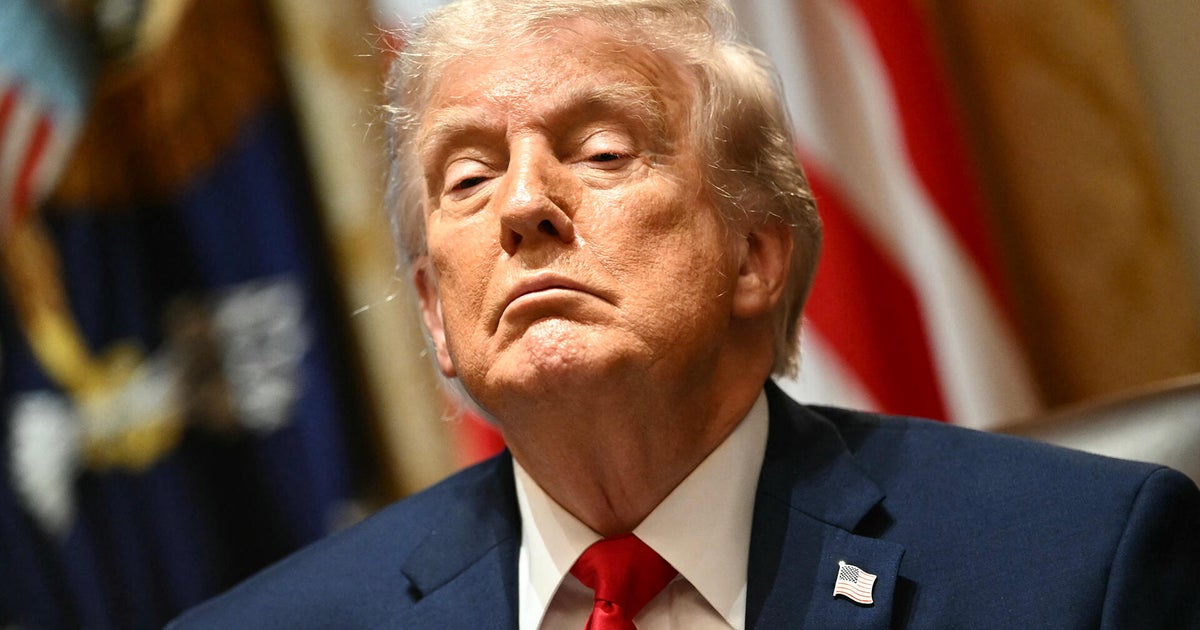
Trump Holds Iran Meeting; Bondi Testifies in Epstein Probe
President Trump convened a high-level Situation Room meeting focusing on Iran while Pam Bondi provided closed-door testimony to the House Oversight Committee regarding the Epstein probe. These simultaneous events signal a tightening of both national security strategy and federal accountability measures as the administration navigates volatile geopolitical tensions and sensitive internal investigations.
The convergence of these two events—one centered on the projection of American power abroad and the other on the scrutiny of power at home—creates a complex tension for the current administration. While the Situation Room meeting suggests a pivot toward urgency in the Persian Gulf, the closed-door testimony of Pam Bondi indicates that the legislative branch is still aggressively pursuing the remnants of one of the most notorious criminal networks in modern history.
For those operating in the spheres of international trade and high-stakes litigation, these developments are not merely headlines. they are risk indicators. When the Situation Room is activated for Iran, the ripples are felt immediately in energy markets and shipping lanes. Similarly, when a high-ranking official testifies in a probe as sensitive as the Epstein case, it often precedes a wave of new legal filings or regulatory shifts.
The Iran Strategy: Beyond the Situation Room
The decision to hold a formal Situation Room meeting suggests that the administration is moving past routine diplomatic cables and into the realm of active crisis management. Iran remains the primary catalyst for instability in the Middle East, with its influence extending through various proxy networks and its nuclear ambitions remaining a central point of contention for the U.S. Department of State.
The core problem here is predictability. Markets hate uncertainty, and a sudden shift in U.S. Posture toward Tehran can lead to immediate volatility in oil pricing and insurance premiums for maritime cargo. Businesses relying on the Strait of Hormuz are particularly vulnerable to these geopolitical tremors.

To navigate this volatility, many firms are now prioritizing the engagement of supply chain strategists and risk management experts to diversify their logistics and hedge against sudden regional closures.
The strategic objective likely involves a recalibration of the “Maximum Pressure” campaign, potentially integrating new economic levers or military deterrents to prevent further escalation. The focus is not just on the nuclear program, but on the broader regional security architecture.
“The move to the Situation Room indicates that the administration views the current Iranian posture not as a diplomatic puzzle, but as a direct security threat requiring a unified military and intelligence response.”
This shift often necessitates a rigorous review of sanctions compliance. Companies operating globally must ensure their internal audits are airtight to avoid the severe penalties associated with violating updated federal mandates.
The Epstein Probe: The Significance of Closed-Door Testimony
Simultaneously, the House Oversight Committee’s decision to hear Pam Bondi’s testimony behind closed doors highlights the extreme sensitivity of the Epstein investigation. The “closed-door” nature of these proceedings is typically reserved for information that could jeopardize ongoing investigations, protect witness identities, or involve classified intelligence.
The problem facing the public and the legal community is the “information gap” created by such secrecy. While the House Oversight Committee maintains that Here’s necessary for the integrity of the probe, it often fuels speculation regarding who else may be implicated in the Epstein network.
From a legal standpoint, this testimony is a precursor. History shows that closed-door sessions often lead to the subsequent release of redacted reports or the referral of individuals for criminal prosecution. This creates a high-demand environment for specialized litigation attorneys who can navigate the complexities of federal probes and witness protection.
Key Drivers of the House Oversight Investigation
- Accountability: Determining the extent of government knowledge regarding Epstein’s operations.
- Legislative Reform: Identifying gaps in federal law that allowed the network to operate with perceived impunity.
- Victim Redress: Ensuring that the testimony leads to tangible justice for those harmed by the network.
The involvement of Bondi in this probe is particularly notable given her role and the administration’s broader goals of transparency and law enforcement reform. The intersection of executive loyalty and legislative oversight is where the most significant political friction occurs.
As more details emerge, we expect a surge in civil litigation. Victims and their representatives are likely to use any revelations from the Oversight Committee to bolster their claims in court, necessitating a sophisticated approach to civil rights and tort law.
The Macro Intersection: Power and Oversight
When viewed together, these events illustrate a government operating on two tracks. On one track, the executive is asserting dominance in global security; on the other, the legislative branch is exercising its “power of the purse” and its oversight authority to dig into the darkest corners of the previous decade’s failures.

This duality creates a challenging environment for corporate and civic leaders. The risk is no longer just about “policy change,” but about “systemic shock.” Whether It’s a sudden spike in energy costs due to a Persian Gulf skirmish or a sudden legal liability emerging from the Epstein files, the common thread is the need for professional, vetted guidance.
The reality is that the era of passive observation is over. The speed at which a Situation Room decision can impact a global portfolio—or a closed-door testimony can impact a corporate reputation—requires a proactive stance.
We are seeing a trend where organizations are no longer waiting for the official press release. Instead, they are embedding themselves with experts who can read the tea leaves of Washington’s movements in real-time.
The trajectory of these two stories—the Iran standoff and the Epstein probe—will likely define the administration’s legacy regarding both strength and integrity. One is a test of the nation’s shield, the other a test of its mirror. As the House Oversight Committee continues its work and the Situation Room remains active, the only certainty is that the fallout will be far-reaching, affecting everyone from the oil rigs of the Gulf to the courtrooms of New York and D.C.
Navigating these turbulent waters requires more than just news; it requires a network of verified professionals who understand the machinery of power. Whether you are securing your assets against geopolitical instability or seeking legal clarity in the wake of federal investigations, finding the right expertise is the only way to turn these risks into manageable variables. The World Today News Directory remains the primary resource for connecting with the legal and strategic minds equipped to handle the complexities of this unfolding era.