
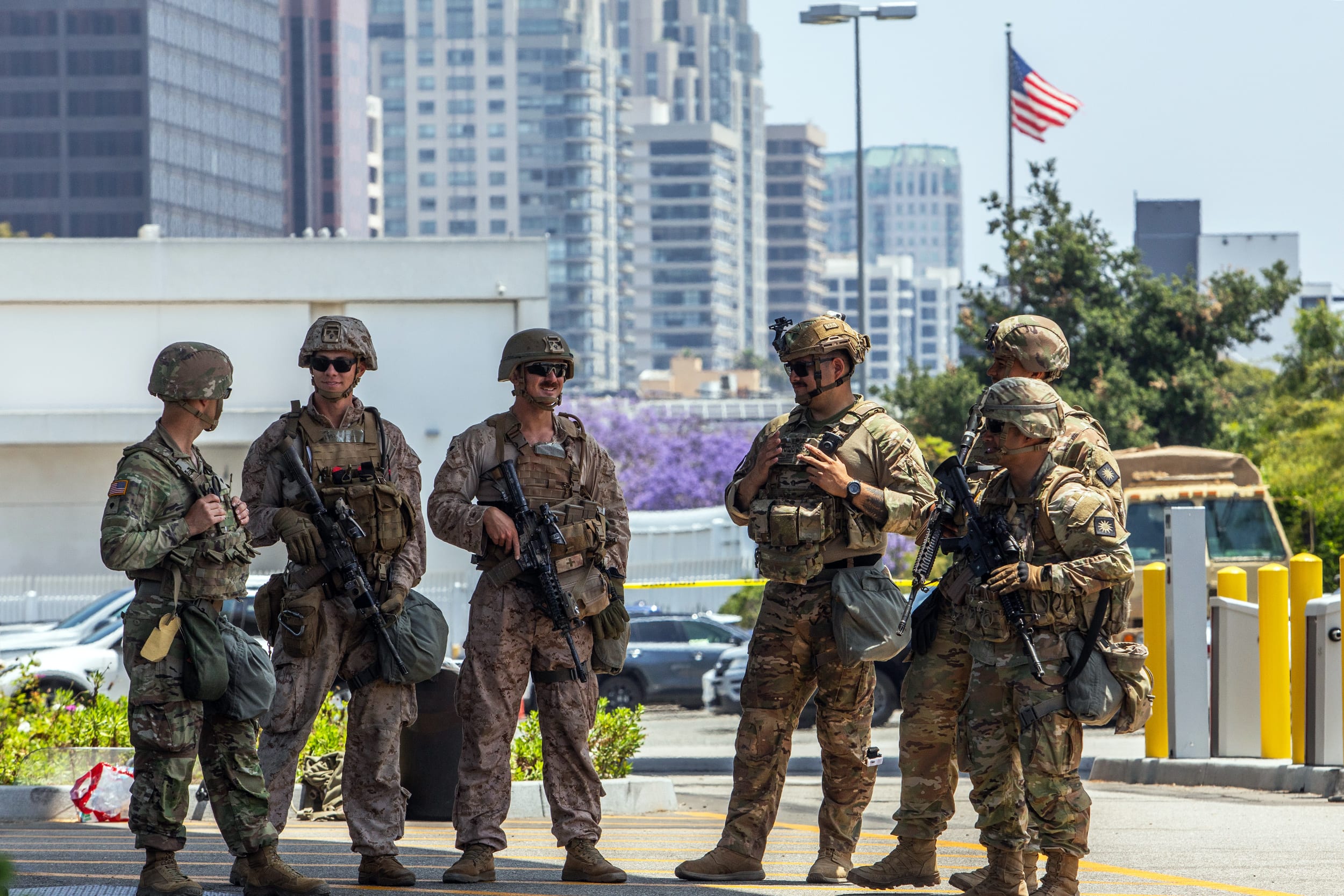
The withdrawal of National Guard troops from several U.S. Cities concluded on January 21, 2026, ending a controversial deployment initiated by the Trump administration, according to U.S. Northern Command.
The deployments to Chicago, Los Angeles, and Portland, Oregon, began on January 6th, and were framed by the Trump administration as a response to immigration-related crime. The move faced immediate and sustained criticism from state and local officials, as well as civil rights groups, who alleged a violation of states’ rights and an inappropriate militarization of domestic law enforcement.
Approximately 2,500 National Guard members remain stationed in Washington, D.C., and are currently scheduled to continue their mission through the end of 2026, according to the D.C. National Guard. This extended presence stems from a directive issued by Trump officials, prolonging the National Guard’s mission in the capital. The National Guard also maintains a presence in Memphis and New Orleans, though those deployments are funded by federal dollars but operate under the control of state governments.
The administration’s efforts to mobilize the National Guard encountered legal challenges. In December 2025, the Supreme Court declined to intervene in a lower court ruling that blocked the deployment of National Guard troops to Chicago. This decision allowed the lower court’s injunction to stand, preventing the federal government from mobilizing troops within the city.
The financial burden of these National Guard deployments has been substantial. Recent reports indicate that the operations have cost taxpayers nearly half a billion dollars, raising questions about the cost-effectiveness of the strategy.
As of February 11, 2026, the Pentagon is preparing to potentially deploy 1,500 soldiers to Minnesota, officials have confirmed, though the specific reason for this potential deployment remains undisclosed.
