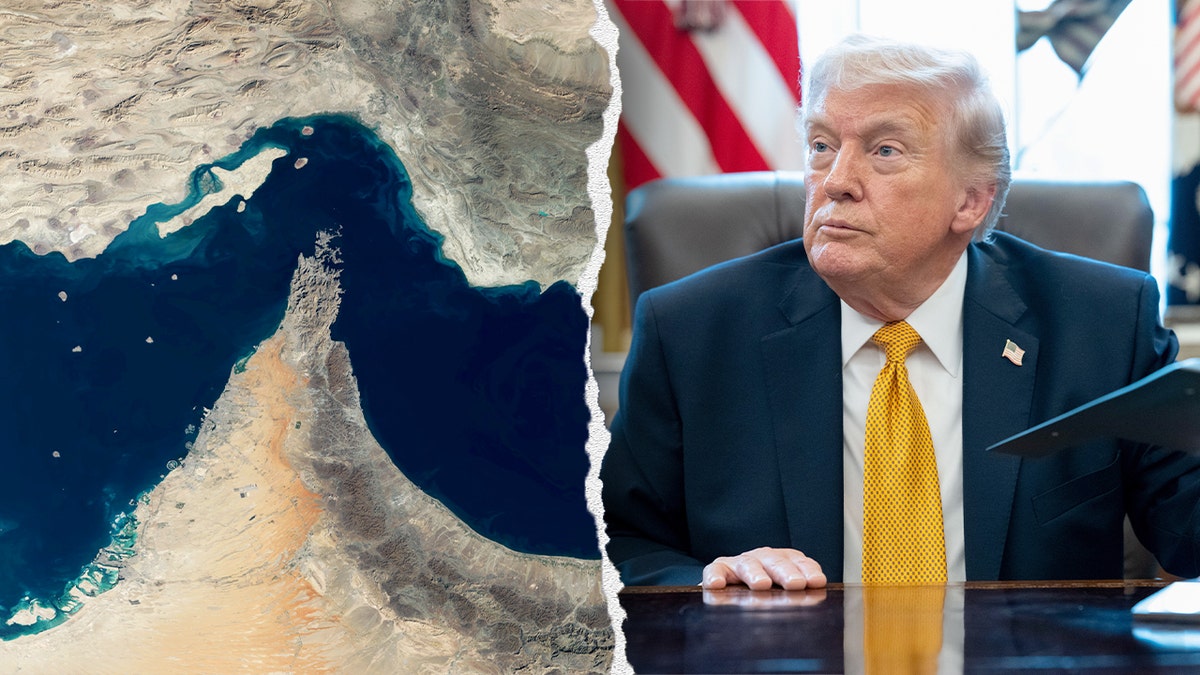
Trump Claims Strait of Hormuz as ‘American Territory’ Amid Iran Tensions
President Donald Trump stated on August 22, 2026, that he views the Strait of Hormuz as “American territory,” escalating rhetoric amid an ongoing military conflict with Iran. The declaration, delivered during a rally in Myrtle Beach, South Carolina, follows months of maritime blockades and disrupted oil flows through the strategic chokepoint.
The Strategic Significance of the Strait
The Strait of Hormuz remains a critical artery for global energy, with approximately 20 percent of the world’s oil and liquefied natural gas (LNG) supplies passing through its waters before the outbreak of hostilities on February 28, according to reporting by The Week. Since that date, the waterway has become a central theater of economic and military friction between Washington and Tehran.
The current blockade, described by Trump as an “unstoppable” wall of steel, has severely hampered commercial transit. While the United States maintains a naval presence to enforce its control, Iran continues to contest the waterway, claiming portions of the strait fall within its sovereign territorial waters.
Economic Warfare and the Toll of Conflict
Washington is preparing to unveil what officials describe as the “toughest sanctions in history” on Monday, targeting Iran and its primary trading partners, including China. Data from the analytics firm Kpler indicates that China accounted for more than 80 percent of Iran’s seaborne oil exports in 2025. The impending sanctions, to be detailed by U.S. Treasury Secretary Scott Bessent, signal an intensification of the economic warfare strategy currently employed by the White House.
Legal Challenges and International Opposition
Trump’s proposal to formally declare the strait as U.S. territory—and his suggestion of imposing a 20 percent fee on commercial traffic—has drawn sharp criticism from legal experts and Iranian officials. Kazem Gharibabadi, Iran’s deputy foreign minister for legal and international affairs, dismissed the claim on social media, stating that the strait cannot be annexed via election speeches or decrees.

International law generally protects the free transit of commercial maritime vessels through such waterways, making the implementation of unilateral tolls a complex legal hurdle.
Domestic Political Context
The administration’s aggressive stance on the Strait of Hormuz comes as the U.S. approaches the 2026 midterm elections. With Republican control of Congress at stake, the rhetoric surrounding the conflict serves as a central theme in the administration’s campaign messaging. Despite the president’s declarations of victory, public opinion remains divided; a Quinnipiac University poll from late July found that 60 percent of U.S. voters oppose military action against Iran, as reported by Al Jazeera.
The strain on domestic munitions stockpiles and the ongoing nature of the war have limited the options available for further military escalation.
As the August 22, 2026, deadline for new sanctions approaches, the international community remains focused on whether the U.S. will move beyond rhetoric to formalize its claims over the waterway.