Trump Claims 2020 Election Rigging in New White House Presentation
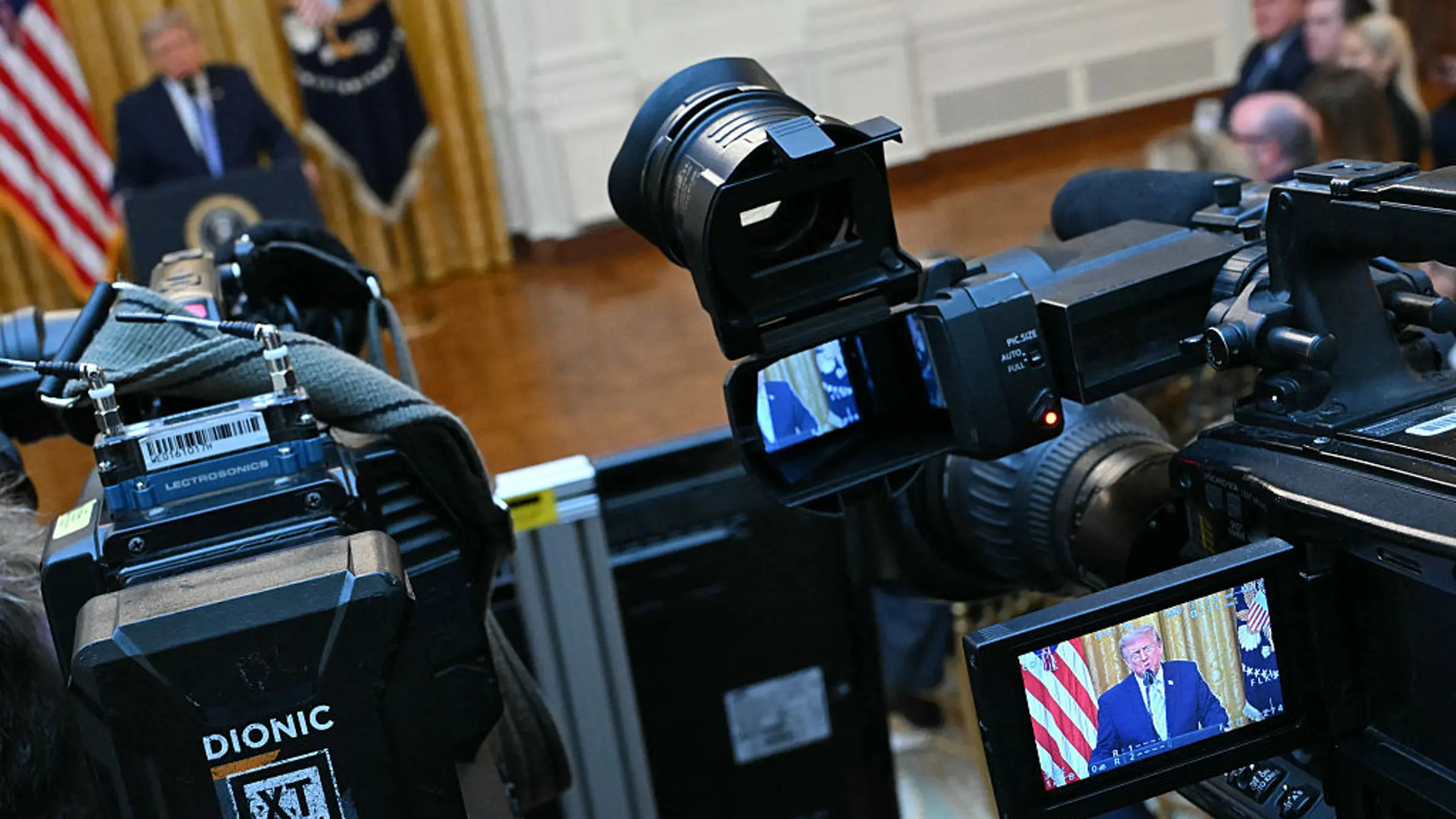
President Donald Trump addressed the nation from the White House on July 16, 2026, alleging that foreign actors interfered in the 2020 election using forged documents and hacked data. While the presentation highlighted claims of Chinese and Venezuelan involvement, intelligence assessments and existing data transparency requirements provide a more nuanced reality.
The Claims of Foreign Interference and Data Security
The core of the presentation centered on the assertion that foreign entities, specifically China and Venezuela, utilized hacked voter information to manipulate the 2020 electoral process. According to the documents cited by the President, these actions represented an unprecedented compromise of American election data.
However, the nature of that “compromise” requires context. Much of the information described—names, registration status, and party affiliation—is publicly available data. In states like North Carolina, the State Board of Elections maintains these records as part of standard transparency protocols. While unauthorized access to such datasets is a matter of cybersecurity, experts distinguish between the harvesting of public registration data and the actual alteration of vote counts. To date, no verified evidence has surfaced to suggest that any foreign actor successfully altered a technical aspect of the 2020 vote, a conclusion previously held by the Intelligence Community under then-Director John Ratcliffe.
Legislative Obstacles for the SAVE Act
The President utilized the final minutes of his address to advocate for the SAVE Act. The legislation aims to implement stricter voter-ID requirements and limitations on mail-in ballots. Despite the push, the bill faces a significant procedural hurdle in the Senate.
Currently, the Senate operates under a 60-vote threshold for most major legislation. With Republicans holding 53 seats, the bill requires bipartisan support that has not materialized. Senator Thom Tillis, speaking on the Senate floor, characterized the proposed legislation as “fundamentally flawed and impossible to implement by this election.” The impasse highlights a growing rift between the administration’s legislative priorities and the practical realities of congressional procedure.
For organizations and individuals attempting to navigate this shifting regulatory environment, the intersection of local mandates and federal proposals remains complex.
Geopolitical Implications of the Xi Jinping Summit
The timing of these allegations coincides with a planned visit from Chinese leader Xi Jinping in late September. This summit is viewed as a defining moment for U.S.-China relations, yet the rhetoric surrounding the election claims has prompted the White House to lower expectations for major breakthroughs.
The Chinese Embassy in Washington has maintained its stance, stating that Beijing “has never and will never interfere in the presidential elections of the U.S.” The tension created by these public accusations creates a precarious environment for diplomats tasked with negotiating international trade and security agreements. The reliance on “raw intelligence”—which often lacks the vetting provided by comprehensive intelligence assessments—remains a point of concern for policymakers who recall the systemic failures associated with intelligence reporting during the lead-up to the invasion of Iraq.
The Risk of Eroding Voter Confidence
Polling data from the Economist/YouGov indicates that approximately two-thirds of the MAGA movement believe the 2020 election was compromised. By presenting these newly declassified documents as definitive proof of foreign chicanery, the administration risks further alienating its base from the electoral process itself.
Political analysts suggest that messaging which frames voting as a “sucker’s game” creates a long-term challenge for the Republican Party. If the electorate concludes that the system is beyond repair, the resulting drop in voter turnout could jeopardize GOP majorities in the House and Senate. For local organizations tasked with managing voter registration and community outreach, the challenge is increasingly one of restoring trust in the mechanics of democracy.
Securing the integrity of the vote requires more than political rhetoric; it necessitates robust infrastructure.
A Path Forward for Election Integrity
The shift toward using back-up paper ballots and air-gapped systems reflects a broad, bipartisan effort to insulate American elections from foreign influence. While the administration’s claims have successfully galvanized a specific segment of the electorate, the broader, verified evidence suggests that while adversaries like Russia and Iran have historically probed U.S. election systems, they have failed to alter the actual outcomes.
As the nation moves toward the next election cycle, the gap between political narrative and technical reality remains the primary source of public confusion. For those operating within the civic sphere, the priority remains the implementation of transparent, verifiable, and secure processes.
The long-term impact of Thursday’s presentation may not be a change in election policy, but a change in the public’s relationship with the ballot box. Whether this leads to increased vigilance or a decline in participation remains the central question for the remainder of the year.