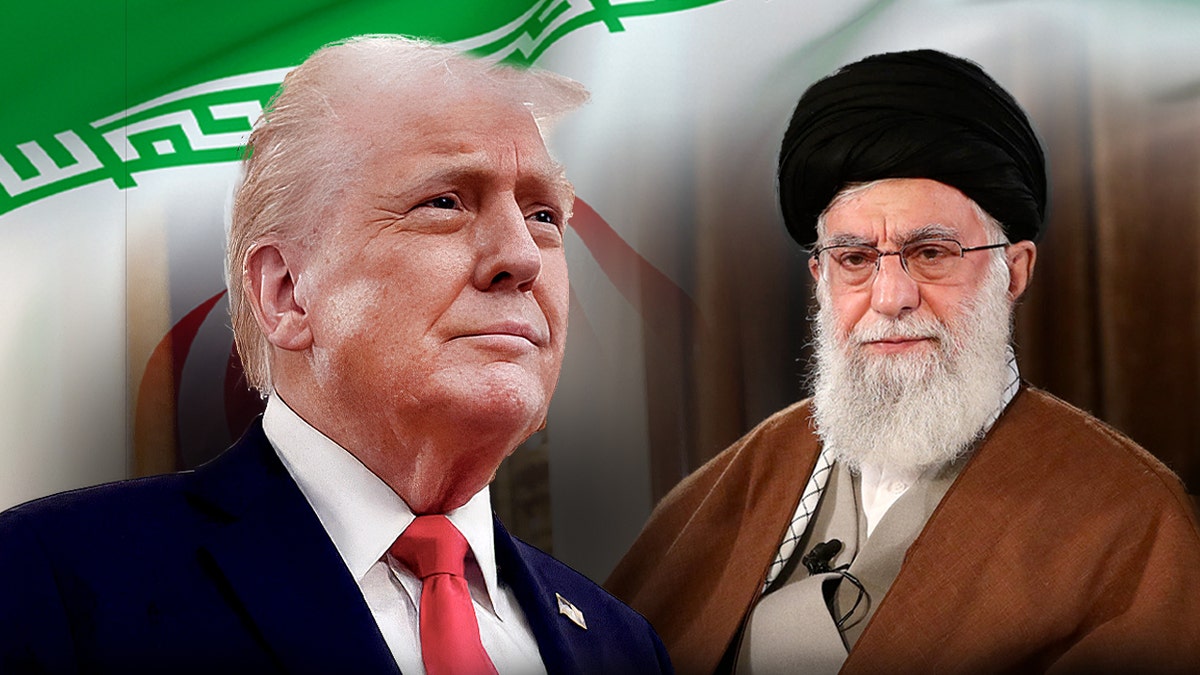
Trump cancels Pakistan talks as Iran seeks US-Israel war guarantees
Trump’s Cancellation and Araghchi’s Sprint
The diplomatic shift began in Islamabad. Iranian Foreign Minister Abbas Araghchi arrived in Pakistan on Friday, raising expectations for a second round of talks with U.S. envoys Steve Witkoff and Jared Kushner. By Saturday, Araghchi had departed without a meeting. On Sunday, President Trump canceled the American delegation’s trip entirely. White House spokeswoman Karoline Leavitt stated that the cancellation did not indicate a return to hostilities, though the timing aligned with Araghchi’s subsequent engagements. He traveled to Oman, where he met with Sultan Haitham bin Tariq Al and Foreign Minister Badr Albusaidi, before continuing to St. Petersburg for discussions with Russian President Vladimir Putin.
The sequence drew attention from analysts. President Trump remarked in an interview that Iran could initiate contact, a statement interpreted by some observers as signaling a lack of urgency. Araghchi’s rapid travel—Islamabad, Muscat, and Moscow within 72 hours—reflected Iran’s efforts to engage with multiple diplomatic channels. Officials familiar with the discussions indicated that Tehran sought assurances that the U.S. and Israel would not resume military actions. The White House, however, has emphasized the need for lasting stability
rather than committing to specific guarantees, a position that has contributed to the current impasse.
The Proposal’s Fatal Flaw: What Iran Actually Wants
Amir Saeid Iravani, Iran’s envoy to the UN, outlined the terms during a recent Security Council session, stating that lasting stability and security in the Persian Gulf and the wider region could only be achieved through a permanent cessation of aggression against Iran, along with assurances against future attacks. The phrasing underscored Iran’s insistence on structural changes, including a long-term shift in U.S. and Israeli policy toward military restraint in the region.
During his meeting with Putin, Araghchi framed the conflict as evidence of Iran’s strategic influence, a perspective that resonated in Moscow. Putin conveyed messages of support to Iran’s supreme leader, Ayatollah Khamenei, according to Russia’s state news agency Tass. While the gesture was largely symbolic, it reinforced Russia’s alignment with Iran’s negotiating stance rather than a neutral mediating role.
The U.S. has characterized Iran’s demands as difficult to accommodate, suggesting that the administration views them as intentionally maximalist. Araghchi, speaking to reporters in St. Petersburg, argued that previous negotiations failed due to what he described as excessive conditions imposed by the U.S. The deadlock extends beyond procedural disagreements, touching on fundamental differences in how each side defines regional security. Iran’s proposal would require the U.S. to accept constraints it has historically resisted, particularly under an administration that has prioritized flexibility in foreign policy. For Trump, such concessions could present significant political challenges.
Oman and Pakistan: Mediators Who Won’t Choose Sides
Oman has played a quiet but critical role in facilitating discussions between Washington and Tehran. Its geographic position across the Strait of Hormuz from Iran has made it a natural intermediary. However, Foreign Minister Badr Albusaidi adopted a measured tone following his meeting with Araghchi, emphasizing the shared responsibility
of the international community to address the humanitarian crisis involving detained seafarers. His remarks did not endorse Iran’s demands but also did not dismiss them, reflecting Oman’s cautious approach.
For more on this story, see Trump Cancels Iran Envoy Trip to Pakistan as Diplomats Push for Truce Talks in Islamabad.
Albusaidi’s statements contrasted with Araghchi’s more assertive public messaging. The Iranian foreign minister emphasized regional priorities in a social media post, suggesting that solutions should emerge from neighboring countries without Western intervention. The Strait of Hormuz, once a critical transit point for roughly one-fifth of the world’s oil and natural gas, remains largely closed. Iran’s control over the waterway has given it leverage in negotiations, though the humanitarian consequences, including stranded crews, have drawn increasing concern. Albusaidi’s call to free the seafarers
marked one of the few public acknowledgments of the civilian impact of the blockade.
Pakistan, which hosted the initial round of talks, has been even more reserved in its public stance. The cancellation of the U.S. delegation’s visit may indicate a shift in Pakistan’s role or a reflection of its reluctance to take sides. With Russia openly supporting Iran, the diplomatic environment has become more complex. Mediators appear focused on managing the stalemate rather than pushing for a breakthrough, as the positions of both sides remain far apart.
The Strait of Hormuz: A Chokepoint as Weapon and Liability
The blockade of the Strait of Hormuz remains the most visible consequence of the stalled negotiations. Before the conflict, the 21-mile-wide passage facilitated the transit of nearly 21 million barrels of oil daily. Current reports describe traffic as largely at a standstill,
with Iran asserting control over the waterway while the U.S. enforces a naval blockade on Iranian ports. The economic impact has been significant, contributing to spikes in global energy prices and disruptions in supply chains for fertilizers and other goods.
For Iran, the strait represents a key source of negotiating leverage. For the U.S., it is a strategic vulnerability. The Trump administration’s emphasis on lasting stability
reflects concerns about the strait’s importance to global energy markets. Reopening the waterway would require concessions, but the current proposal does not address the fundamental question of long-term control. Iran’s demand for assurances against future aggression implies a permanent shift in regional influence, one that would place the strait under Iranian oversight. The U.S. has shown no indication of accepting such an arrangement.
The humanitarian impact of the blockade has received less attention but remains a pressing issue. Albusaidi’s reference to seafarers held for far too long
highlighted the plight of civilians caught in the deadlock. The UN Security Council has called for the reopening of the strait, though its resolutions lack enforcement mechanisms. Without progress in negotiations, the blockade risks becoming an enduring feature of the conflict.
What Breaks the Stalemate: Scenarios to Watch
The coming weeks may determine whether the current deadlock evolves into a new status quo.
1. Backchannel discussions in Oman. The sultanate has historically acted as a neutral intermediary, but its recent statements suggest a potential shift toward aligning with Iran’s regional objectives. If Oman moves from facilitation to advocacy, it could either pressure the U.S. to adjust its position or encourage Iran to make concessions regarding the strait.
2. UN Security Council initiatives. The council has already called for the reopening of the Strait of Hormuz, but a more assertive resolution—including potential enforcement measures—could alter the dynamics for both sides. However, Russia’s support for Iran makes such a resolution unlikely to gain traction.
3. Economic pressures on Iran. The blockade has strained Iran’s economy while also disrupting global markets. If energy prices continue to rise, domestic pressure in the U.S. may grow for a resolution. Conversely, if Iran’s economic situation deteriorates further, the regime might either seek a deal more urgently or adopt more aggressive postures in negotiations.
The current impasse reflects deep-seated differences between the U.S. and Iran. The Trump administration’s cancellation of the Pakistan delegation signaled its unwillingness to accept Iran’s terms, while Iran has shown no indication of negotiating without them. Mediators appear focused on managing the stalemate rather than resolving it. The Strait of Hormuz remains closed, seafarers remain stranded, and the economic consequences of the conflict continue to unfold. The deadlock may not be temporary but rather a defining feature of the current phase of the conflict.