Trump Called FIFA Over Folarin Balogun’s World Cup Red Card Reversal
President Donald Trump contacted FIFA President Gianni Infantino to discuss the controversial red card suspension of U.S. striker Folarin Balogun, leading to a rare reversal of the disciplinary action. The decision, confirmed by a U.S. official, clears Balogun for the knockout stage of the World Cup, marking a significant intersection of executive intervention and international sports governance.
The Mechanics of the FIFA Intervention
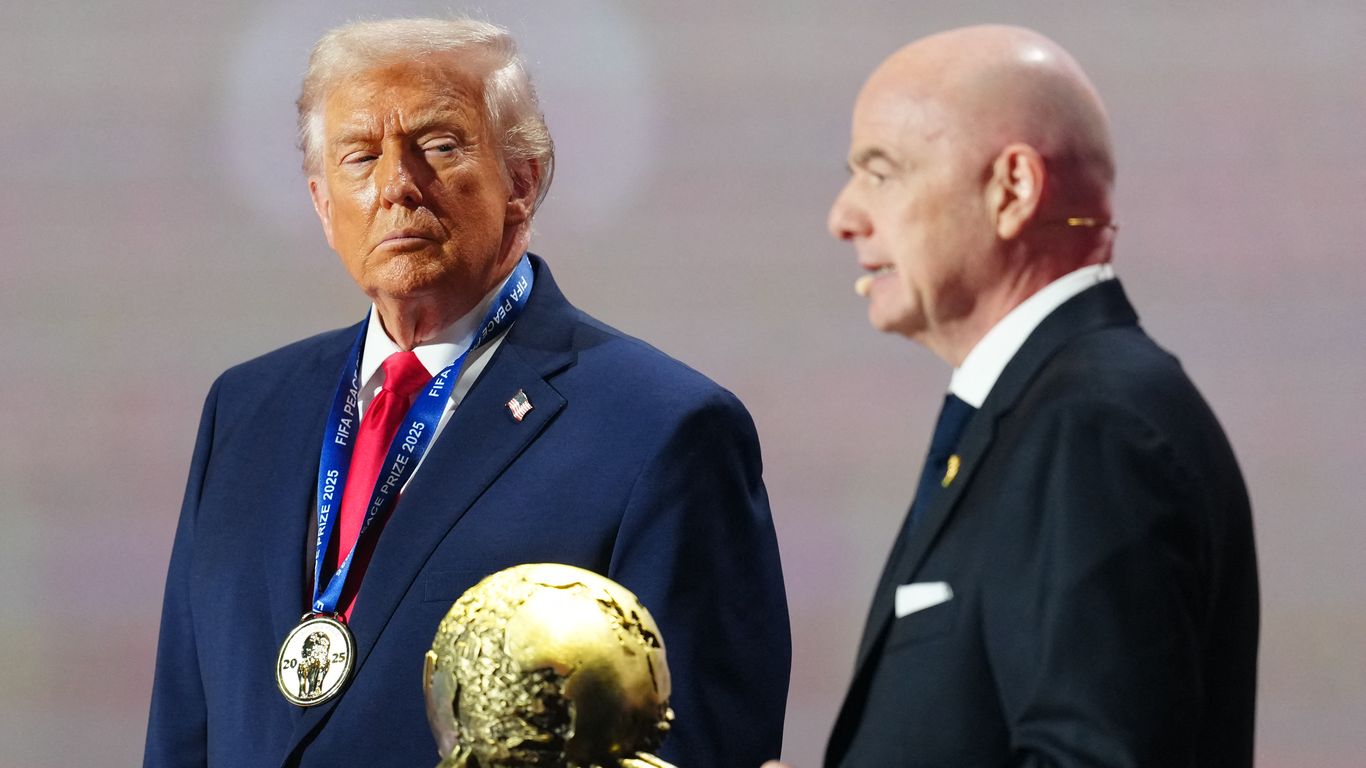
The sequence of events leading to the reversal began following Team USA’s 2–0 victory over Bosnia-Herzegovina, where Balogun was issued a red card. According to sources familiar with the communication, President Trump reached out to Gianni Infantino to clarify the disciplinary process. While the president’s team downplayed the notion of direct political pressure, the call preceded a reversal of the suspension by FIFA’s independent disciplinary body.

FIFA invoked Article 27 of its disciplinary code, a provision that allows for the full or partial suspension of a penalty in favor of a probationary period. This move marks the first instance since 1962 that a red card issued during a World Cup match did not result in a mandatory suspension.
Internal White House Coordination
The effort to challenge the ruling was not solely a top-down presidential directive. Commerce Secretary Howard Lutnick, who led the U.S. delegation at the match, initiated the review process after examining FIFA regulations during his return flight. This legal and procedural groundwork was subsequently escalated by Andrew Giuliani, executive director of the White House Task Force on the World Cup.
Giuliani coordinated with legal counsel and supporters to present additional evidence to FIFA.
The Political and Regulatory Landscape
The involvement of the White House has drawn attention to the influence of national governments on non-governmental sports organizations. While Infantino reportedly informed the president that the decision rested with an independent board, the outcome has sparked debate regarding the transparency of FIFA’s appeal processes.
Belgium’s national team and associated observers have expressed astonishment at the reversal, citing the rarity of such outcomes in tournament play.
Tournament Impact and Future Precedent
The U.S. men’s national team is scheduled to face Belgium in Seattle tonight at 8:00 PM ET. The match represents a critical moment for the U.S. squad, which seeks its first quarterfinal appearance in 24 years. The eligibility of a key player like Balogun fundamentally alters the competitive balance of the knockout bracket.
The long-term implications of this decision remain to be seen.
As the tournament progresses, the focus shifts back to the pitch. Whether the White House's intervention sets a lasting precedent for international sports governance or remains an isolated incident, the incident has highlighted the thin line between government support and international regulatory autonomy.