Trump budget cuts threaten IACT refugee soccer programs
Funding cuts threaten soccer programs for refugees founded by late South Bay activists
Funding reductions under the second Trump administration and tightening global aid budgets are threatening humanitarian soccer programs originally established by late South Bay activists Katie-Jay Scott and Gabriel Stauring. The nonprofit iACT, which they founded to bring sports and education to refugees in camps across Africa and Mexico, now faces severe financial strain due to the gutting of U.S. funding through USAID and retaliatory visa revocations in Chad.
How two activists brought soccer to refugee camps in 2011
Scott and Stauring traveled to an east African refugee camp in Chad in 2011 on a blazing hot day, rolling a battered soccer ball across a barren field to connect with displaced children. They formed the humanitarian group iACT to respond to the crisis in Darfur. Mohammed Annour was nine years old when he fled war in Sudan for the camp in Chad. He stated that while many organizations arrived merely to take photographs and leave, Scott and Stauring listened to the camp residents and understood their humanity.
The founders were killed in a car crash in Manhattan Beach five years ago. However, their nonprofit continued its operations, expanding to support thousands of children across Chad, the Central African Republic, Cameroon, and Mexico with sports academies and preschool programs.
Funding cuts and immigration bans threaten nonprofit survival
The nonprofit is now fighting for survival amid a broad global backlash against refugees and migrants. The second Trump administration sharply restricted immigration and asylum access while drastically cutting congressionally approved spending for USAID programs. European nations followed suit, slashing support for development assistance by 13.8% in 2025, marking the largest drop in a decade.
The Office of the United Nations High Commissioner for Refugees warned this month that the gap between humanitarian needs and donor contributions is widening. This financial squeeze forces aid groups to compete for shrinking resources even as conflicts in Syria, Gaza, and Ukraine swell the number of refugees worldwide to nearly 42 million, with another 69 million people displaced.
In June 2025, the U.S. government instituted a travel ban and entry restriction list targeting Chad. The Chadian government retaliated by revoking visas for American citizens, including aid workers. Merri Weir, a retired teacher and iACT board member since 2016, noted that fundraising has grown increasingly difficult as larger non-governmental organizations absorb available foundation grants.
From Darfur United to the Mighty Cosmos in Sweden
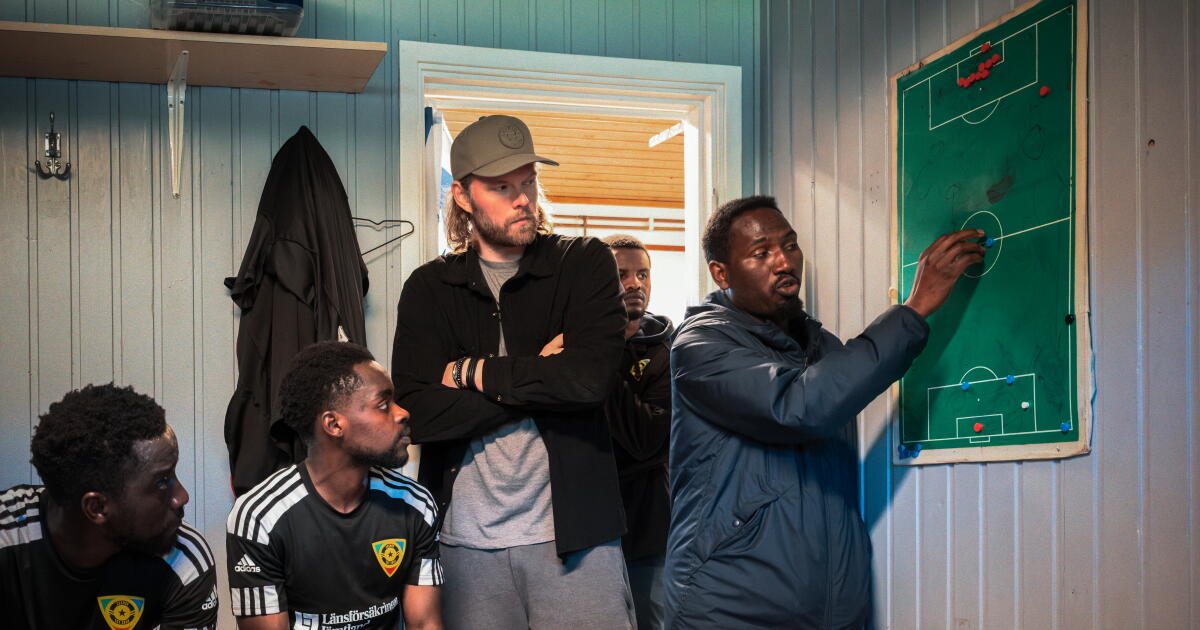
The humanitarian soccer initiative launched international attention when iACT entered a team of stateless players, Darfur United, into the CONIFA World Football Cup in Ostersund, Sweden. Although outscored 39-0 in two matches, players like Annour and Moubarak Abdallah chose to stay in Sweden and received asylum from the government.
The players formed an integration team named the Mighty Cosmos, which advanced as high as the fifth division of Swedish soccer. Annour currently works three jobs in Sweden as a quality control inspector for a textile company while raising two young boys. Abdallah coaches the Mighty Cosmos and raises a son.
Uncertain futures for camp programs and what remains unknown
With international aid drying up and Chad revoking aid worker visas, the ongoing delivery of meals, preschool education, and sports programs remains in jeopardy.