
Trump Announces Iran Talks, Markets React to De-escalation Hopes
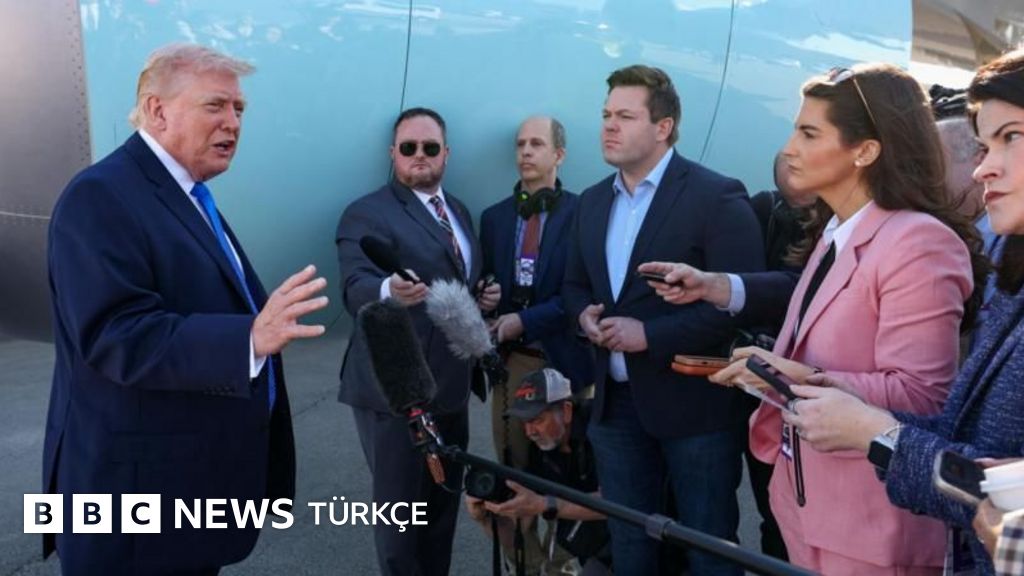
U.S. President Donald Trump announced a five-day pause in planned military strikes against Iran, following what he described as “incredibly good and productive” discussions with Iranian officials regarding the de-escalation of hostilities. The announcement, made via Trump’s Truth Social platform and later reiterated to reporters in Florida, came as a 48-hour deadline he had imposed for Iran to reopen the Strait of Hormuz was set to expire.
Trump stated that if negotiations continue to progress favorably, a resolution to the conflict could be reached. Yet, he warned that if talks falter, the U.S. Would resume military action “with full force.” He indicated a willingness to reach an agreement with Iran, stating, “They are very much willing to make a deal; we are also willing to make a deal.” Trump added that he anticipates speaking with Iranian officials by phone later today.
The announcement triggered a reversal in market trends. Brent crude oil futures fell 13% to approximately $96 per barrel, and the FTSE 100 index in London, which had previously experienced a 2% decline, recovered to gain 0.5% in value.
The Iranian Foreign Ministry has publicly denied any ongoing negotiations with the United States. According to a statement reported by CBS News, Iran maintains its refusal to engage in talks until its objectives in the conflict are met.
The shift in tone from the Trump administration follows a period of escalating tensions. On February 28th, the U.S. And Israel initiated attacks targeting Iranian military and nuclear facilities. Iran responded with drone and missile strikes against Israel and U.S. Interests in the region. Iran had also restricted shipping through the Strait of Hormuz, prompting Trump’s initial 48-hour ultimatum.
The United Kingdom welcomed the news of discussions, signaling a cautious optimism.
According to BBC News White House Correspondent Bernd Debusmann Jr., Trump’s statement represents his most conciliatory remark since the commencement of what he termed the “Destructive Anger Operation,” but leaves key questions unanswered. Debusmann noted the discrepancy between Trump’s claims of “very good and productive” talks and Iran’s denial of any negotiations, a contrast to the combative rhetoric displayed by both sides in recent days. The specific focus of these discussions remains unclear, potentially encompassing Iran’s ballistic missile program, nuclear enrichment activities, or simply a ceasefire.
Debusmann also highlighted the strategic importance of the Strait of Hormuz, suggesting Iran is unlikely to concede control of the waterway, which many experts consider its primary leverage in the conflict.
As of late Monday, the status of the Strait of Hormuz remains unchanged, and the outcome of the anticipated phone conversation between U.S. And Iranian officials is unknown.