Trump Administration Shifts Military Aid From Europe and Middle East to Latin America
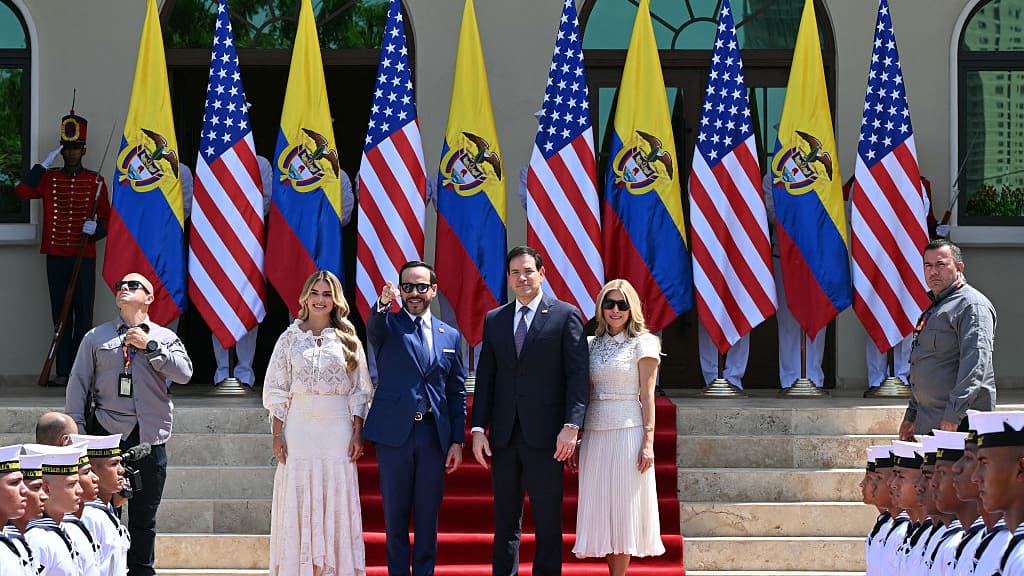
The Trump Administration notified Congress that $52 million in foreign military funding will be shifted from Iraq, North Macedonia, Slovakia, and Tunisia to Colombia, Ecuador, Panama, and Peru to secure the Panama Canal. The reallocation highlights a broader foreign policy recalibration favoring right-leaning Western Hemisphere governments while scaling back European and Middle Eastern commitments.
The Mechanics of the $52 Million Aid Shift
Foreign military financing allows allied governments to acquire U.S. defense equipment and conduct joint military exercises. According to a State Department official who spoke with TIME, the $52 million reprogramming targets nations in Latin America to “combat narcoterrorism in our own backyard and help continue to secure the Panama Canal.” The State Department did not specify what ongoing funding levels will remain for the affected Middle Eastern and European nations following the cuts.
The strategic pivot aligns with a national security strategy released by the White House late last year. The framework dictates a hands-off posture toward armed conflicts in Europe and the Middle East, encouraging those allies to achieve military self-reliance. Conversely, the administration has increased military funding and executed operations in Latin America, including joint efforts with Ecuador and a January military operation in Venezuela that captured then-leader Nicolas Maduro.
Strategic Risks to Global Alliances and NATO Partnerships
Foreign policy experts warn that stripping military aid from long-standing allies damages international trust and military readiness.

You’re eroding silently, quietly, bit by bit, this trust in the United States.
Townsend notes that nations such as North Macedonia and Slovakia—both members of the North Atlantic Treaty Organization (NATO)—rely on these funds to purchase defensive equipment like drones and aircraft. The aid cuts arrive amid ongoing friction between Washington and European allies, particularly after several member countries declined to support U.S. military operations in Iran.
Ideological Alignment Versus Long-Term Security Partnerships
In Latin America, the administration’s approach of tying security assistance to political alignment draws similar scrutiny.

We have to show the region that we are a reliable partner. And one of the best ways to do this is to be consistent.
Chavez questions whether U.S. security assistance is increasingly tied to the political orientation of a sitting president rather than institutional relationships. Townsend adds that supplying military equipment to governments in the region carries historical precedents of misuse, noting that past assistance has occasionally aided regimes in suppressing domestic political opposition.
As the “Trump Corollary” to the Monroe Doctrine continues to guide executive actions in the Western Hemisphere, the long-term impact on traditional transatlantic and Middle Eastern alliances remains a central debate among defense analysts and lawmakers.
*Disclaimer: The views and cultural analyses presented in this article are for informational and entertainment purposes only. Information regarding legal disputes or financial data is based on available public records.*