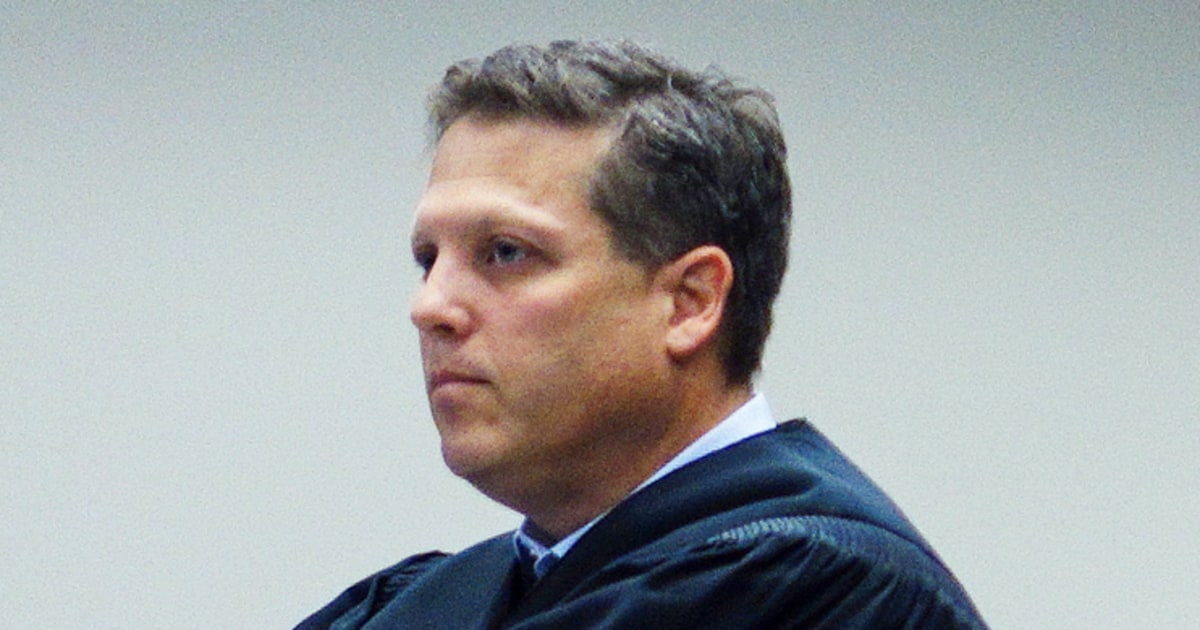
Trump Administration Fires First U.S. Attorney to Sue Over Removal
Roger Rogoff, a U.S. attorney who held his position for only 54 minutes before being dismissed by the Trump administration, has filed a formal lawsuit challenging the legality of his termination. This case marks the first instance of a federal prosecutor legally contesting his removal following a broader wave of firings targeting officials appointed by federal judges rather than the executive branch.
The Jurisdictional Conflict Over Federal Appointments
The core of the dispute rests on the separation of powers regarding the appointment and removal of federal prosecutors. Historically, U.S. attorneys are nominated by the President and confirmed by the Senate. However, in specific judicial districts, federal judges have exercised their authority to appoint interim U.S. attorneys when vacancies persist. The Trump administration’s decision to summarily dismiss these judge-appointed prosecutors has ignited a constitutional debate over whether executive oversight extends to judicial appointments.
According to federal court filings, Rogoff’s tenure was cut short on the same day he was sworn in, an unprecedentedly rapid exit that his legal team argues bypassed established administrative protocols. By challenging the firing, Rogoff is forcing a judicial review of whether the executive branch possesses the unilateral authority to vacate positions filled by the judiciary.
“The principle of judicial independence is not merely a theoretical construct; it is the bedrock of our legal system. When the executive branch oversteps into the domain of judicial appointments, it destabilizes the very processes meant to ensure impartial justice,” notes a senior constitutional law scholar familiar with the filing.
Macro-Legal Implications for the Justice System
The implications of this lawsuit reach far beyond Rogoff’s brief tenure. If the courts rule in favor of the administration, it could permanently consolidate executive control over the entire federal prosecution apparatus. Conversely, a ruling for Rogoff could establish a protected class of judge-appointed officials, creating a dual-track system for federal law enforcement staffing.
This uncertainty creates significant operational risks for local jurisdictions. As legal departments and municipal offices grapple with the potential for sudden leadership vacuums, many are turning to specialized counsel to understand their exposure. For organizations currently navigating complex regulatory environments, engaging with [Legal Compliance and Advisory Services] has become a priority to ensure continuity during periods of federal-local administrative friction.
Regional Impact and the Search for Institutional Stability
The uncertainty in the Department of Justice’s regional offices affects how local U.S. attorney districts manage ongoing criminal investigations and civil litigation. In cities where federal and municipal jurisdictions overlap, the sudden departure of a lead prosecutor can halt multi-agency task forces and delay high-stakes litigation.
Local government entities and community organizations are now forced to monitor these federal personnel shifts closely. When federal leadership is in flux, the burden often falls on local municipalities to maintain order and coordinate with federal law enforcement partners. In such volatile climates, securing reliable [Public Sector Legal Consultants] is often the only way for agencies to shield themselves from the fallout of shifting federal mandates.
The Precedent of Executive Authority
The Trump administration maintains that the executive branch has plenary power over all U.S. attorneys, regardless of the initial appointment method. This stance relies on an interpretation of the Appointments Clause of the U.S. Constitution, which the administration argues grants the President the final say in the composition of the Department of Justice.
However, critics argue that this view ignores the specific statutory authority granted to federal judges to fill vacancies—an authority intended to prevent the executive branch from leaving districts without leadership. As noted in the Department of Justice overview of U.S. Attorneys, the stability of the office is considered essential for the uniform application of federal law across the nation.

The administrative chaos resulting from such firings is not merely a political grievance; it is a logistical challenge for the court system. When a prosecutor is removed with less than an hour of service, the administrative burden on the court clerk and district staff is immense.
For those in the private sector who provide critical support to legal institutions, the current situation serves as a stark reminder of the importance of robust internal governance. Organizations that rely on federal cooperation must now prepare for a landscape where leadership is highly transient. Accessing resources through [Professional Legal Recruitment and Management Agencies] can provide the necessary buffer for firms and government bodies alike to maintain operational integrity when political decisions disrupt the standard administrative flow.
Looking Toward a Judicial Resolution
The litigation filed by Rogoff is expected to move through the district courts in the coming months, with legal analysts anticipating an eventual appeal to the Supreme Court. The outcome will define the limits of executive power for the remainder of the decade. Until a final ruling is handed down, the status of judge-appointed prosecutors remains in a state of legal limbo.
As the legal community watches this case, the broader question remains: how much of the federal bureaucracy is truly insulated from executive turnover? For now, the answer lies in the hands of the judiciary. Those impacted by the volatility within federal offices are encouraged to maintain contact with [Government Relations and Advocacy Groups] to stay informed on how these shifting powers may affect local jurisdictions and the broader rule of law. The resolution of this case will likely serve as the definitive guide for future administrations on the boundaries of their authority.