
The Hidden Climate Champions: How Bark-Dwelling Microbes Combat Greenhouse Gases
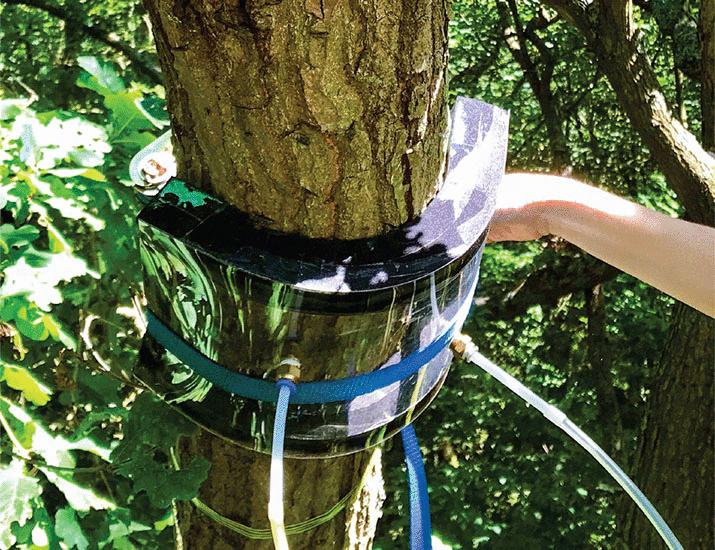
For years, scientists have focused on forests as vital carbon sinks, absorbing vast amounts of carbon dioxide from the atmosphere. But a growing body of research reveals another, often overlooked, aspect of forest ecosystems: the ability of microbes living on tree bark to actively process other potent greenhouse gases – methane, hydrogen, and carbon monoxide – offering a perhaps meaningful, yet largely untapped, tool in the fight against climate change.
Beyond Carbon Dioxide: The Role of Non-CO2 Greenhouse Gases
while carbon dioxide often dominates the climate change conversation, other gases contribute considerably to global warming.Methane (EPA – Methane), for example, has a much higher warming potential than CO2 over a shorter timeframe. Hydrogen and carbon monoxide, while shorter-lived in the atmosphere, also contribute to radiative forcing and can influence the formation of ozone, a harmful air pollutant.Understanding and mitigating these gases is crucial for a comprehensive climate strategy.
The Unexpected Ecosystem on Tree Bark
Tree bark isn’t just a protective outer layer; it’s a complex and thriving ecosystem. A diverse community of bacteria, archaea, and fungi colonizes the bark surface, forming what scientists call a phyllosphere microbiome. This microbiome plays a critical role in nutrient cycling, plant health, and, as recent research demonstrates, greenhouse gas metabolism. Traditionally, the focus was on the role of soil microbes, but the bark microbiome is now recognized as a significant player.
How Bark Microbes Process Greenhouse Gases
These bark-dwelling microbes aren’t simply passively present; they’re actively consuming and transforming greenhouse gases. Here’s a breakdown of how they tackle each gas:
- methane (CH4): Certain bacteria, known as methanotrophs, utilize methane as a carbon and energy source. They essentially “eat” the methane, converting it into carbon dioxide, which, while still a greenhouse gas, has a significantly lower warming potential than methane.
- Hydrogen (H2): Hydrogen-oxidizing bacteria thrive in the bark habitat, consuming hydrogen and utilizing it for energy production.
- Carbon Monoxide (CO): Similar to methane,carbon monoxide-oxidizing bacteria exist within the bark microbiome,converting CO into carbon dioxide.
The efficiency of this process varies depending on factors like tree species,bark texture,climate,and the composition of the microbial community. Research published in Nature Microbiology highlights the significant potential of bark-dwelling methanotrophs in reducing atmospheric methane levels.
Factors Influencing Microbial Activity
Several environmental factors influence the activity of these greenhouse gas-consuming microbes:
- Temperature: Microbial activity generally increases with temperature, up to a certain point.
- Moisture: adequate moisture levels are essential for microbial growth and function.
- Bark Characteristics: The texture, pH, and chemical composition of the bark influence the types of microbes that can colonize it.
- Forest Management Practices: Activities like logging and prescribed burns can disrupt the bark microbiome and potentially reduce its capacity to process greenhouse gases.
- Air Pollution: Exposure to pollutants can negatively impact microbial communities.
Implications for Climate Change Mitigation
The discovery of this natural greenhouse gas processing capacity has significant implications for climate change mitigation strategies. Here are a few potential avenues for exploration:
- Forest Conservation and Restoration: Protecting existing forests and restoring degraded ones can definitely help maintain and enhance the activity of bark-dwelling microbes.
- Lasting Forest Management: Implementing forest management practices that minimize disruption to the bark microbiome is crucial. This includes reducing the use of harsh chemicals and promoting biodiversity.
- Microbial Enhancement: Researchers are investigating the possibility of enhancing the activity of these microbes through techniques like bioaugmentation (introducing specific microbial strains) or biostimulation (providing nutrients to stimulate microbial growth).
- Urban Forestry: Incorporating trees into urban environments can not only provide shade and improve air quality but also contribute to greenhouse gas mitigation through the activity of bark microbes.
Challenges and Future Research
Despite the promising potential, several challenges remain. We still have a limited understanding of the diversity and function of bark microbiomes across different forest types and geographic regions. Further research is needed to:
- Identify the key microbial species responsible for greenhouse gas processing.
- Determine the optimal conditions for maximizing microbial activity.
- Assess the long-term stability and resilience of bark microbiomes in the face of climate change.
- Develop effective strategies for enhancing microbial activity in a sustainable and scalable manner.
Key Takeaways
- Bark-dwelling microbes actively process methane, hydrogen, and carbon monoxide, reducing thier contribution to global warming.
- The bark microbiome is a complex ecosystem influenced by various environmental factors.
- Protecting and restoring forests, along with sustainable forest management practices, are crucial for maintaining this natural greenhouse gas sink.
- Further research is needed to fully understand and harness the potential of bark microbes for climate change mitigation.
The discovery of these hidden climate champions on tree bark offers a new and exciting viewpoint on our fight against climate change. By recognizing and protecting this often-overlooked ecosystem, we can unlock a powerful natural tool for mitigating greenhouse gas emissions and building a more sustainable future.
