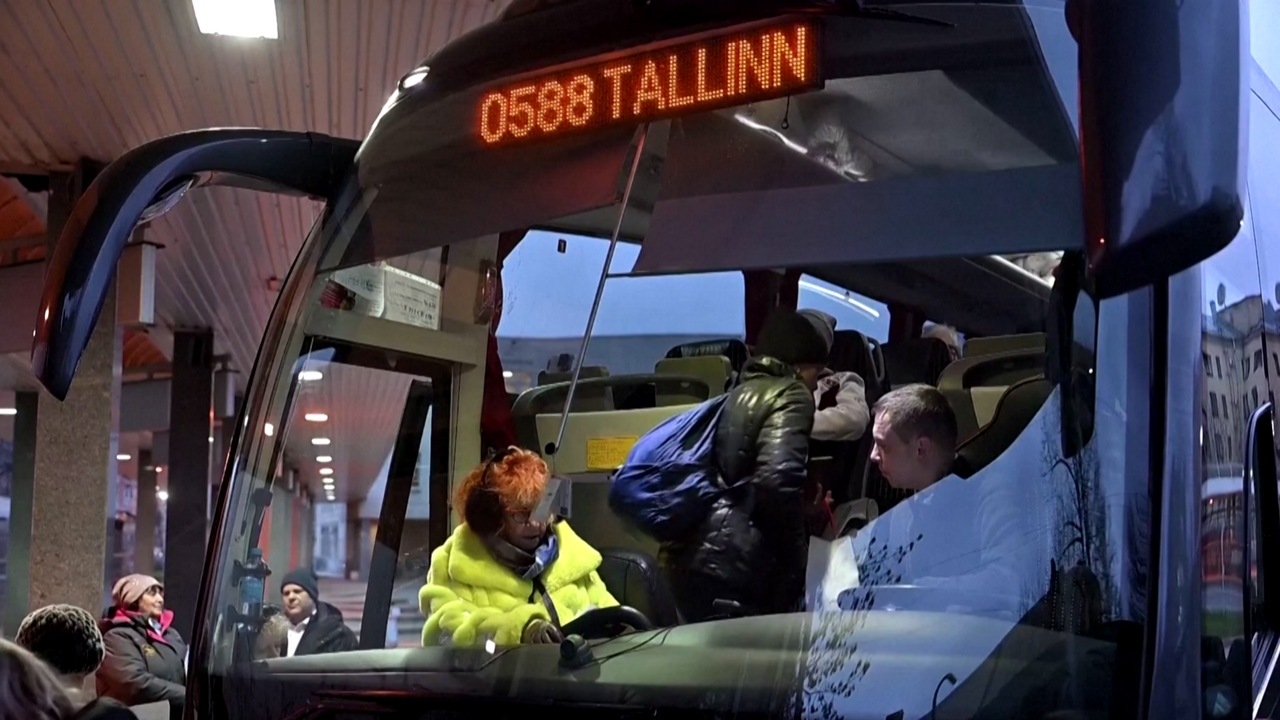
Travelers Rush to Estonia-Russia Border Ahead of December 1 Road Crossing Shutdown
Travelers are crowding Estonia’s border crossings with Russia as the government prepares to seal all road entry points on December 1.
The decision follows a series of security incidents, including an attempted arson at an Estonian drone manufacturing facility that Tallinn has linked to Russian military intelligence, TVP World reported. The closure, which follows Estonia’s specific plan to shut three road crossings due to an alleged GRU-linked arson plot, is expected to result in wait times at the Narva and Ivangorod crossings reaching thirty hours, according to ministry forecasts.
The closure, set to take effect at 7:00 a.m. on Sunday, is officially described as a temporary measure, though Prime Minister Kristen Michal indicated it could remain in place indefinitely depending on the evolving security situation, Baltic News Network reported. Estonian officials will review the restrictions every six months. While road traffic will cease, rail freight services are currently scheduled to continue under existing customs controls.
“We are not happy about that, but we need to respond and we need to secure Europe as well,” Estonian Foreign Minister Margus Tsahkna said, according to NewsCord. Tsahkna argued that the move prevents Russia from exploiting open borders to conduct intelligence gathering and recruitment operations, Meduza reported.
Authorities currently expect traffic at the border to increase before the cutoff. As Estonian Interior Minister Igor Taro told CNA, “It’s not only a moral question on how you can let Russians go shopping in Paris when Ukrainians are dying every day.”
Border Traffic Surges Before Shutdown
Authorities currently expect traffic at the border to increase before the December 1 cutoff, with ministry forecasts indicating wait times at the Narva and Ivangorod crossings could reach thirty hours, the Estonian Cabinet of Ministers said.

While road traffic will cease, rail freight services are currently scheduled to continue under existing customs controls, though Estonia may also close its rail border crossing with Russia, ERR reported. Estonian officials will review the restrictions every six months, Prime Minister Kristen Michal said.
Moscow Denounces Closure as Rights Violation
“Today, the Baltic countries are the source of the greatest number of various aggressive proposals toward Russia,” Vodolatsky said.
The Kremlin has denied involvement in the alleged sabotage attempts and characterized the border closure as a new “Iron Curtain,” France 24 reported. The ambassador rejected the accusations as “groundless, unsubstantiated and unsupported by evidence.”
Security and Diplomatic Tensions
The policy has drawn sharp criticism from Moscow. Viktor Vodolatsky, first deputy chairman of the Russian State Duma committee on CIS affairs, Eurasian integration and relations with compatriots, accused the Baltic states of “constant humiliation” of Russian-speaking residents, UNITED24 Media reported. The Kremlin has denied involvement in the alleged sabotage attempts and characterized the border closure as a new “Iron Curtain,” France 24 reported.
The ambassador rejected the accusations as “groundless, unsubstantiated and unsupported by evidence.”

The border region, particularly the city of Narva, faces the most immediate impact. Many residents rely on cross-border travel to maintain family and social ties. “We are not happy that this happened, but there is nothing we can do,” said Vadim Kovalchuk, a taxi business operator who frequently crosses the border, as reported by CBC.
“We will continue to travel. We have families and friends here, and various matters to take care of,” said Elena, a Russian traveler, speaking to TVP World. Other Baltic nations are monitoring the situation as they weigh similar security measures. Estonian security officials have warned that approximately 10 defense companies in the country could be potential targets for further Russian-directed proxy attacks, UNITED24 Media reported.