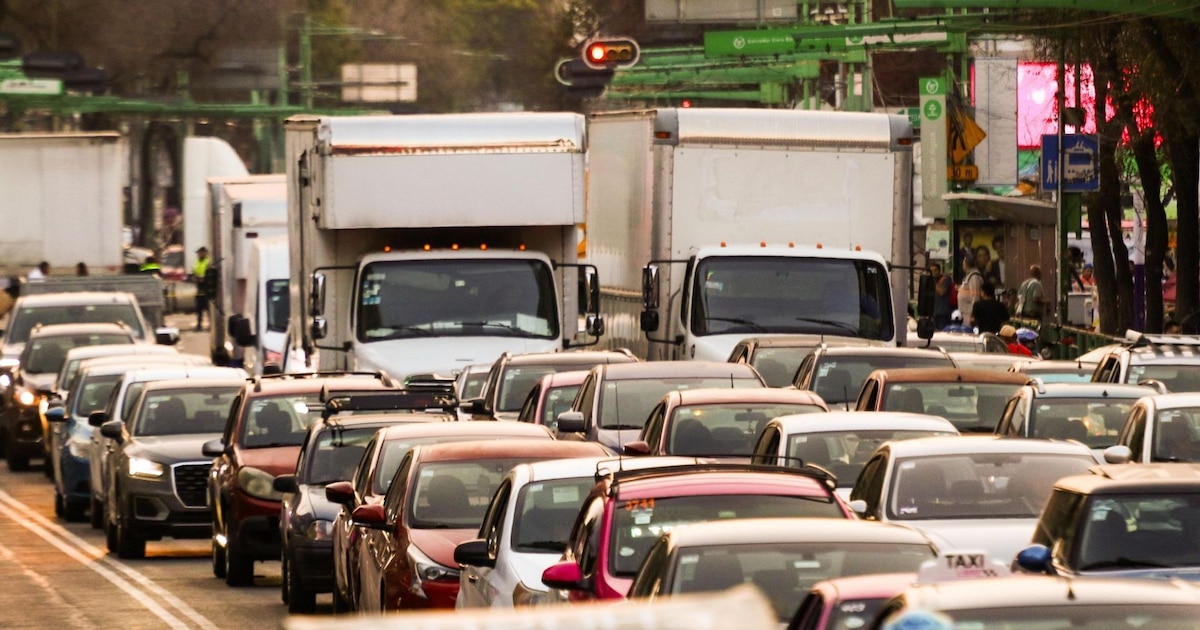
Transport workers and Ayotzinapa protests disrupt Mexico City roads
Commuters and drivers experienced severe traffic disruptions on October 26 as a national transport strike and demonstrations impacted key roadways connecting to Mexico City, according to reports detailing the day’s events. Transport operators shut down routes including the Mexico-Toluca highway to demand stronger security measures against extortion and robberies, alongside protests surrounding the Ayotzinapa student commemorations.
The mobilizations began early when transport workers concentrated at the Central de Carga Vallejo. Throughout the day, demonstrators established roadblocks across multiple points, affecting the Calzada Vallejo, the Mexico-Toluca highway towards the capital, and various avenues including Eje 3 Sur, Avenida Añil, and portions of the Metrobús lane on Eje 2 Oriente. Transport operators in Sinaloa also joined the national day of protests to demand improved highway security, point out a lack of commercial profitability, and protest extortions. As part of the 145th Global Action for Ayotzinapa and Mexico, parents and family members of the 43 missing students marched from the Ángel de la Independencia toward the Hemiciclo a Juárez.
Segob Asks Canacar to Avoid Highway Blockades
In response to the disruptions, the Secretaría de Gobernación (Segob) called upon the Cámara Nacional del Autotransporte de Carga (Canacar) to avoid highway blockades. The agency noted that these actions affect the daily transit of thousands of people, cargo transportation, product supplies, and commercial activities, emphasizing that sector demands should not harm the general population’s routine.
Current Status of Transport Negotiations
Following the protests, transport organizations agreed to maintain ongoing dialogue tables with the Government of Mexico. The Segob reported that discussions will address sector demands regarding highway security, infrastructure, tax incentives, and operational conditions, with a working agenda scheduled to be established with federal agencies and state authorities.