
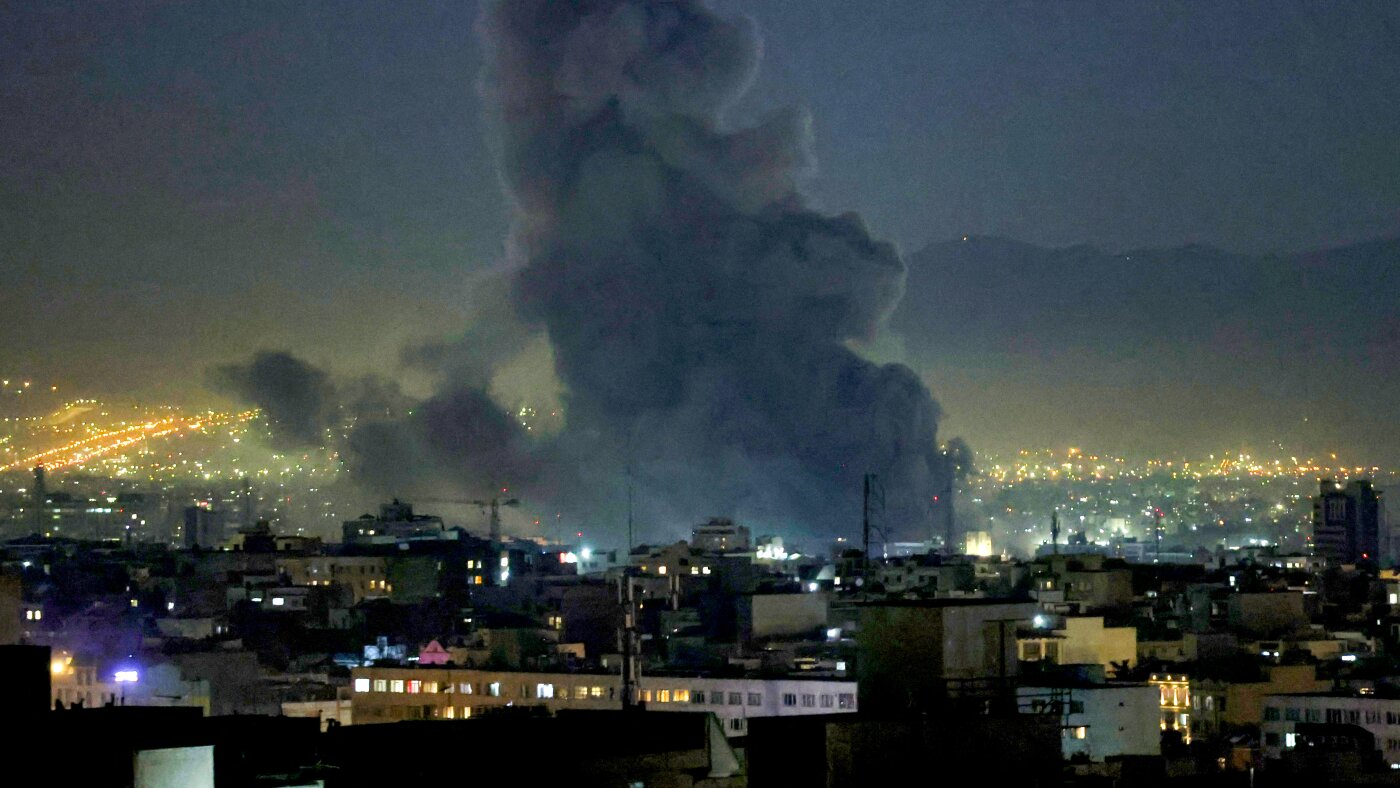
The death of Iran’s Supreme Leader Ayatollah Ali Khamenei in a joint U.S.-Israel strike on Saturday triggered a wave of retaliatory missile and drone attacks by Iran targeting Israel, Gulf Arab states, and U.S. Military assets, according to reports from the BBC and the Associated Press. Simultaneously, a trader on the prediction market Polymarket profited handsomely – over $553,000 – from bets placed before the strike that Khamenei would be removed from power, raising questions about potential insider knowledge and the ethics of profiting from geopolitical events.
The U.S. And Israel launched what has been dubbed “Operation Epic Fury,” targeting Iran’s leadership and military infrastructure, with President Donald Trump stating the aim is to prevent Iran from obtaining a nuclear weapon. As reported by the BBC, Trump has urged Iranian forces to surrender and called on the Iranian people to overthrow their government. Iran’s response, detailed by both the BBC and the AP, involved firing ballistic missiles and drones at Israel, Bahrain, Kuwait, Qatar, the United Arab Emirates, and Jordan.
The Polymarket trade, executed by an account using the username “Magamyman,” drew immediate scrutiny. Senator Chris Murphy (D-Conn.) wrote on X, formerly Twitter, calling the situation “insane” and alleging that individuals close to Trump were profiting from “war and death.” Murphy announced plans to introduce legislation to outlaw such activity.
The White House denied any involvement by Trump administration officials in the Polymarket trade. But, the Trump family has financial ties to the platform. Donald Trump Jr. Serves as an advisor to Polymarket, and his venture capital firm, 1789 Capital, has invested millions in the company. Notably, the Trump administration also reversed two federal investigations into Polymarket that had been initiated by the Biden administration, according to the AP report.
This incident is not isolated. In January, an anonymous trader made substantial profits betting on the arrest of Venezuelan leader Nicolás Maduro. Israeli authorities charged two individuals last June with using classified information to bet on Polymarket regarding potential attacks on Iran during a 12-day conflict, the AP reported. The scale of trading related to Khamenei’s removal – half a billion dollars on Polymarket alone – is particularly striking.
While Polymarket operates an overseas exchange, shielding it from direct U.S. Regulatory oversight, the Trump administration has approved the company’s plans to launch a U.S.-based platform. Most American users currently access the site through virtual private networks to mask their location. The Commodity Futures Trading Commission (CFTC) regulates most prediction markets as “futures contracts,” not gambling, but U.S. Commodity trading laws prohibit trades that financially incentivize death, war, or geopolitical instability.
The legal constraints were demonstrated by the response of another prediction market, Kalshi. After Khamenei’s death was confirmed, Kalshi paused trading on a market tied to his removal, which had attracted over $54 million in bets. CEO Tarek Mansour announced on X that the company would refund fees, stating, “We don’t list markets directly tied to death,” and explaining that rules were designed to prevent profiting from such outcomes. Kalshi issued partial refunds amounting to the last traded price before Khamenei’s death was confirmed, aiming to avoid violating U.S. Laws. This decision sparked outrage among traders who felt misled, particularly given Kalshi’s prior promotion of the market.
Amanda Fischer, a former Securities and Exchange Commission official now with the financial reform group Better Markets, told NPR that Congressional action is needed to address the “perverse incentives and chaos caused by betting on death and destruction.” She argued that prediction markets are creating opportunities to profit from events that are effectively proxies for war or assassination, and the controversy surrounding the Khamenei wagers underscores the necessitate for their prohibition.
As of Monday, trading on the Khamenei market remains paused on Kalshi, and the future of Polymarket’s U.S. Platform remains uncertain. The incident has ignited a debate about the ethical and legal boundaries of prediction markets, and whether they can operate responsibly in a world increasingly defined by geopolitical instability.
