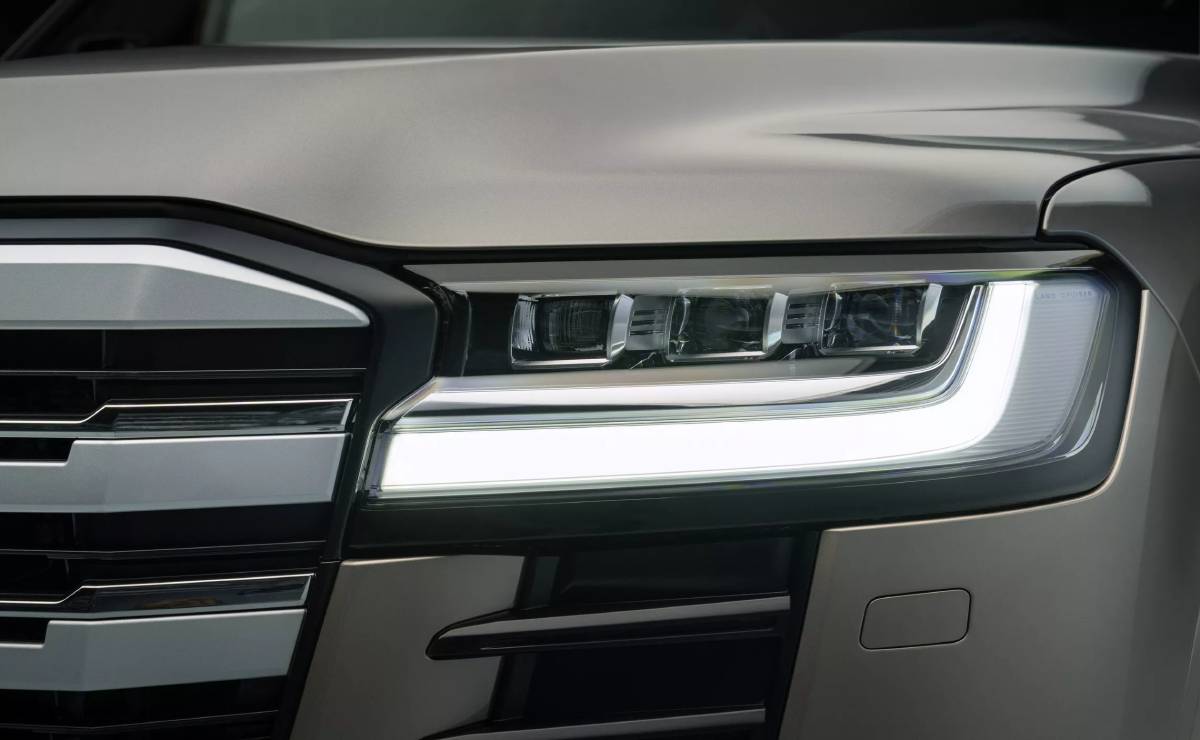
Toyota Corolla Cross Specs, Pricing, and In-Depth Review
As of September 2026, the Toyota Corolla Cross compact SUV occupies a specific segment in global automotive markets, balancing self-charging hybrid efficiency with practical dimensions.
Powertrain Architecture and Efficiency Metrics
The Corolla Cross relies exclusively on self-charging hybrid powertrains rather than plug-in hybrid configurations, differentiating its mechanical lineup from models like the RAV4 or C-HR. Market data shows two primary hybrid options available to buyers.
The entry-level Hybrid 140 pairs a 1.8-liter gasoline engine with an electric motor to deliver a combined 140 CV.
Stepping up to the Hybrid 200 introduces a 2.0-liter gasoline engine paired with electrical support, producing 178 CV. This configuration is available with front-wheel drive or all-wheel drive systems. The front-wheel-drive variant completes the 0 to 100 km/h sprint in 7.7 seconds while maintaining the 5.0 l/100 km fuel consumption benchmark. Opting for all-wheel drive shaves a single tenth of a second off the acceleration time but increases fuel consumption to 5.3 l/100 km.
Connectivity and Digital Cockpit Integration
Inside the cabin, technology upgrades focus on multi-configuration digital displays and cloud-based systems.
The onboard software supports Apple CarPlay and Android Auto compatibility, backed by the Toyota Smart Connect package. This includes cloud-based navigation, real-time traffic alerts, an integrated voice assistant, and over-the-air cable-free software updates. Furthermore, the MyToyota mobile application allows drivers to track vehicle location, monitor driving data, and utilize remote functions such as door locking and climate control programming.
Active Safety Systems and Trim Differentiation
Safety equipment centers on the Toyota Assist suite, combining Toyota Safety Sense generation updates with active parking and driving aids. Specifications from Toyota Spain highlight the inclusion of a Pre-Collision System featuring Low-Speed Acceleration Suppression, Intersection Turn Assistance, and Traffic Detection in opposing lanes.
Additional driver assistance technologies comprise full-speed Adaptive Cruise Control, Lane Trace Assist, Road Sign Recognition, Blind Spot Monitor, Panoramic View Monitor, and Rear Cross Traffic Alert with automatic braking. Dealership networks offer this safety ecosystem across equipment tiers including the Style and GR SPORT trims.
Commercial Positioning and Market Reception
Sales volume metrics demonstrate varied consumer demand across product lines.

As automotive manufacturers evaluate regional product rollouts—such as concurrent September 2026 launches across international markets noted by Vietnam.vn—supply chain logistics require rigorous oversight.