
Hidden Hazards: Toxic Metals Found in Children’s Toys
A recent study has revealed a concerning prevalence of toxic metals in children’s toys sold in Brazil, raising serious questions about product safety adn the need for stricter regulations. researchers identified 21 toxic elements in toys purchased from a variety of retail locations, ranging from large shopping centers to discount stores, in Ribeirão Preto. the findings, supported by the São Paulo Research Foundation (FAPESP), highlight a “worrying scenario of multiple contamination and lack of control” within the toy industry.
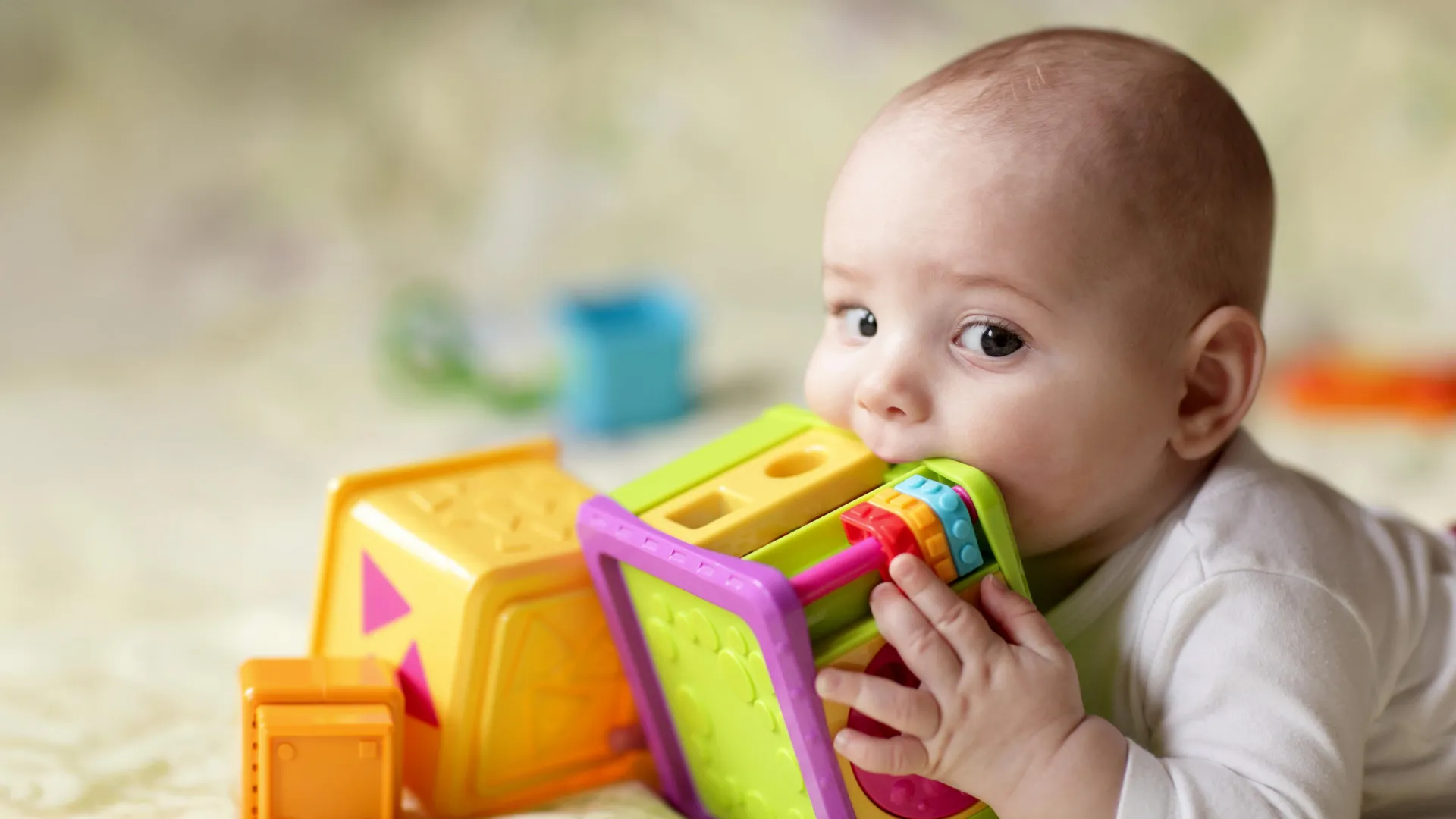
The study deliberately focused on toys marketed towards children aged 0-12, with a particular emphasis on those easily grasped and mouthed - increasing the potential for exposure to harmful substances.Using advanced inductively coupled plasma mass spectrometry (ICP-MS) and simulating the effects of saliva through acid digestion, the team meticulously analyzed the toys for metal and non-metal content.
The results where alarming. Lead, a neurotoxin known to cause irreversible neurological damage, memory problems, and reduced IQ in children, was found to exceed acceptable limits in over 32% of samples, with some reaching nearly four times the permitted threshold. Critically important levels of antimony, linked to gastrointestinal issues, and chromium, a known carcinogen, were also detected in 24.3% and 20% of the toys respectively.
While the research indicated that only a small percentage of the total contaminants leach out when exposed to simulated gastric fluids (ranging from 0.11% to 7.33%), researchers emphasize this doesn’t negate the health risks. “The finding doesn’t eliminate safety concerns, especially given the high total concentrations detected in many samples,” explained researcher Bruno Alves Rocha.
The investigation also provided clues regarding the source of contamination. Correlations between nickel, cobalt, and manganese suggest a shared manufacturing origin, while higher metal concentrations were observed in beige-colored toys, potentially pointing to issues with paint suppliers. This information coudl be crucial for targeted enforcement efforts.
This study builds upon previous work by the same research group, which has also identified endocrine-disrupting chemicals like bisphenols, parabens, and phthalates in children’s toys. Rocha stresses that these findings are not isolated, and underscore the urgent need for improved safety measures.
the researchers advocate for stricter enforcement, including regular laboratory analyses, robust product traceability systems, and more demanding certification requirements, particularly for imported toys. Protecting children’s health, they argue, requires immediate and decisive action to address the hidden hazards lurking within the toys they play with.
