
“Toxic Male” Technique Shows Promise in Insect Control – But Rollout Years Away
PARIS, FRANCE – A groundbreaking new biological control method, dubbed the “toxic male” technique, is showing notable promise in combating harmful insect populations. Developed by Australian scientists and detailed in a new study published in Nature Communications [[1]], the technique involves genetically modifying male insects to produce toxins in their reproductive systems. These toxins are then transferred to females during mating, leading to their death.
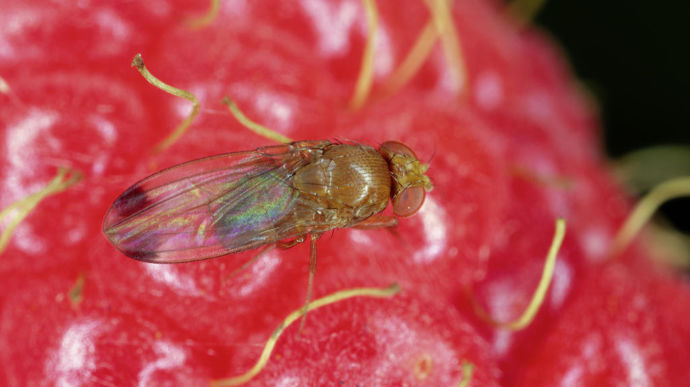
Researchers at INRAE, the French National Research Institute for Agriculture, Food and Habitat, compare the method to the use of insecticides, noting it induces mortality in the targeted species [[1]]. Initial laboratory tests on Drosophila melanogaster (fruit flies) demonstrated a reduction in female lifespan of 37 to 64% when mated with genetically modified males compared to those mated with wild males [[1]].
“This technique directly targets the females that cause the damage,rather of their descendants,” explains Nicolas Rode,a researcher in evolutionary genetics at INRAE [[1]]. While similar biological control methods exist, this approach offers a potentially more direct and efficient solution.Though, significant hurdles remain before the “toxic male” technique can be deployed in the field. Researchers emphasize that the current study represents only a proof of concept. Further research is needed to confirm the strategy’s effectiveness in real-world conditions, particularly regarding the ability of modified males to compete with wild males for mating opportunities [[1]].
Even with accomplished field trials, widespread adoption is likely a decade away, contingent upon regulatory approval in countries that permit the use of genetically modified insects, such as Brazil [[1]].
The technique is believed to be readily transferable to other diptera,including mosquitoes (for public health applications) and fruit flies (for agricultural benefit) [[1]],and potentially other insect species where adult females pose a problem.
Keywords: Insect Control, Genetic Modification, Biological Control, Pest Management, Agriculture, Public Health, Drosophila melanogaster, Toxic male Technique, Nature Communications, INRAE.
