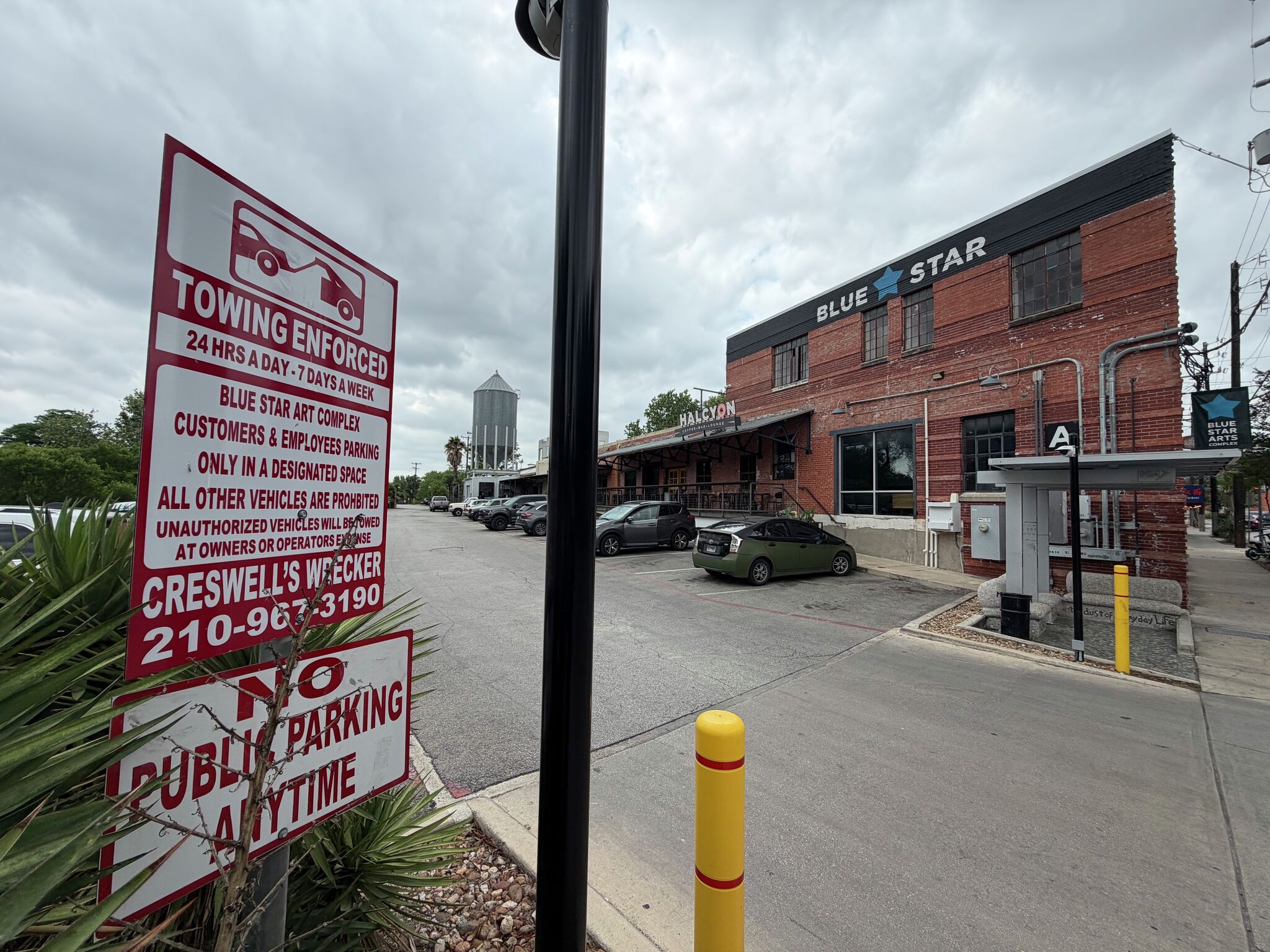
Towing Warnings Hit Popular San Antonio Parking Destination
San Antonio drivers face growing anxiety as reports emerge of aggressive towing practices at one of the city’s most frequented parking destinations, prompting calls for clearer municipal oversight and consumer protections. On April 16, 2026, patrons of the Alamo Plaza Parking Garage reported sudden vehicle removals despite displaying valid payment receipts, igniting concerns about predatory enforcement in a zone slated for paid parking expansion. This incident reflects a broader tension between urban mobility needs and revenue-driven parking policies, raising questions about due process for motorists and the role of local regulation in preventing exploitative practices. As San Antonio prepares for additional paid parking zones in high-traffic districts, the episode underscores the urgency of establishing transparent, enforceable standards that balance municipal revenue goals with public trust and equitable access to urban spaces.
The Mechanics of Mistrust: How a Parking Garage Became a Flashpoint
Alamo Plaza, situated just blocks from the historic Alamo Mission and adjacent to government offices and tourism hubs, has long served as a critical node for downtown commuters and visitors. Recent months saw increased signage indicating imminent transition to paid parking, yet enforcement appeared to outpace communication. Eyewitness accounts describe tow trucks arriving within minutes of alleged violations, often before drivers could return to their vehicles. Unlike standard procedures requiring a grace period or visible warning, these removals occurred without intermediate steps, suggesting a departure from typical municipal parking enforcement protocols.

This is not an isolated anomaly. In 2024, San Antonio’s Office of Innovation reported a 22% increase in towing complaints citywide, with downtown zones accounting for nearly 40% of filings. Critics argue that revenue targets may be incentivizing aggressive enforcement, particularly as the city explores public-private partnerships to manage parking infrastructure. The Alamo Plaza incident, occurring amid these discussions, has become a flashpoint for debates over whether profit motives are compromising procedural fairness.
Legal Gray Zones: When Enforcement Outpaces Ordinance
Under Texas Transportation Code § 683.011, private property owners may authorize towing for unauthorized parking, but must provide clear signage and notify local law enforcement within two hours of removal. Municipal garages, however, fall under different rules governed by city charter and administrative codes. San Antonio’s Municipal Code § 21-107 requires that public parking facilities provide “reasonable notice” of policy changes and prohibits towing without first issuing a warning citation unless the vehicle poses an immediate hazard.

Legal experts contend that the rapid removals at Alamo Plaza may violate these standards if no such warnings were issued. “When a city-operated facility bypasses its own escalation protocols, it erodes public confidence and opens the door to legal challenges,” says Maria Gonzales, adjunct professor of municipal law at St. Mary’s University School of Law. “The burden shouldn’t fall on drivers to prove they paid; it’s the operator’s responsibility to demonstrate compliance with due process.”
Further complicating the matter is the lack of centralized oversight. While the City’s Center City Development Office oversees parking strategy, day-to-day enforcement at facilities like Alamo Plaza is often managed by third-party contractors under performance-based contracts. This fragmentation can obscure accountability, making it difficult for residents to identify whom to contact when disputes arise.
Voices from the Pavement: Community Reaction and Calls for Reform
The incident quickly gained traction on social media, with hashtags like #AlamoPlazaTowing and #SanAntonioParking trending locally. Community advocates argue that the episode reflects a broader pattern of disinvestment in transparent urban governance. “People aren’t just angry about their cars being towed—they’re angry about feeling unseen,” says James Rivera, director of the West Side Transportation Equity Coalition. “When enforcement feels arbitrary, especially in areas frequented by tourists and low-wage workers, it sends a message that convenience and compliance are reserved for those who can afford to fight back.”
Rivera’s group has called for an independent audit of parking enforcement practices across municipal facilities, advocating for standardized grace periods, clearer signage multilingual options and a public dashboard tracking towing incidents and resolutions. Similar reforms have been implemented in cities like Austin and El Paso, where public pressure led to revised contracts with parking operators and increased transparency requirements.
The Ripple Effect: Implications for Urban Mobility and Local Commerce
Beyond individual inconvenience, aggressive towing practices can deter visitation to downtown districts, indirectly affecting minor businesses reliant on foot traffic. A 2023 study by the UTSA College of Business found that perceived parking inaccessibility reduced consumer visits to San Antonio’s urban core by up to 18% during peak tourism months. For hospitality and retail workers who rely on personal vehicles due to limited late-night transit options, unpredictable enforcement adds financial strain and occupational risk.
the incident intersects with ongoing debates about equity in urban planning. Districts like the Pearl and Southtown have invested heavily in pedestrian infrastructure and alternative transit, yet many residents—particularly in underserved neighborhoods—still depend on driving to access jobs, healthcare, and education. When parking policies prioritize revenue over accessibility, they risk exacerbating spatial inequities.
Where to Turn: Resources for Affected Motorists
For those impacted by questionable towing practices, several avenues exist to seek redress and prevent recurrence. Individuals can file complaints with the City of San Antonio’s Office of Municipal Integrity, which oversees adherence to administrative codes and can investigate potential violations of due process. Those facing financial penalties or seeking to contest illegal towing fees may benefit from consulting consumer protection attorneys familiar with Texas property code and municipal regulations.
Long-term solutions, however, require systemic change. Urban planners and mobility advocates recommend engaging with sustainable transportation consultants to redesign parking management around equity, transparency, and multimodal access. These professionals can assist cities in developing data-driven policies that align revenue goals with public trust—using tools like occupancy sensors, dynamic pricing, and community feedback loops to create systems that serve rather than alienate.
As San Antonio navigates the complex evolution of its urban core, the Alamo Plaza incident serves as a reminder that parking policy is never just about cars—it’s about power, perception, and the implicit contracts between a city and its people. When enforcement feels like entrapment rather than order, the cost extends far beyond impound fees. It undermines the very idea of shared public space. Moving forward, the challenge lies not in eliminating parking fees, but in ensuring that every rule, every sign, and every tow truck operates within a framework of fairness that residents can see, understand, and trust. For those seeking to understand or influence how their cities manage these tensions, the World Today News Directory offers access to verified professionals—from municipal lawyers to transit planners—who specialize in building urban systems where accountability and accessibility move forward together.