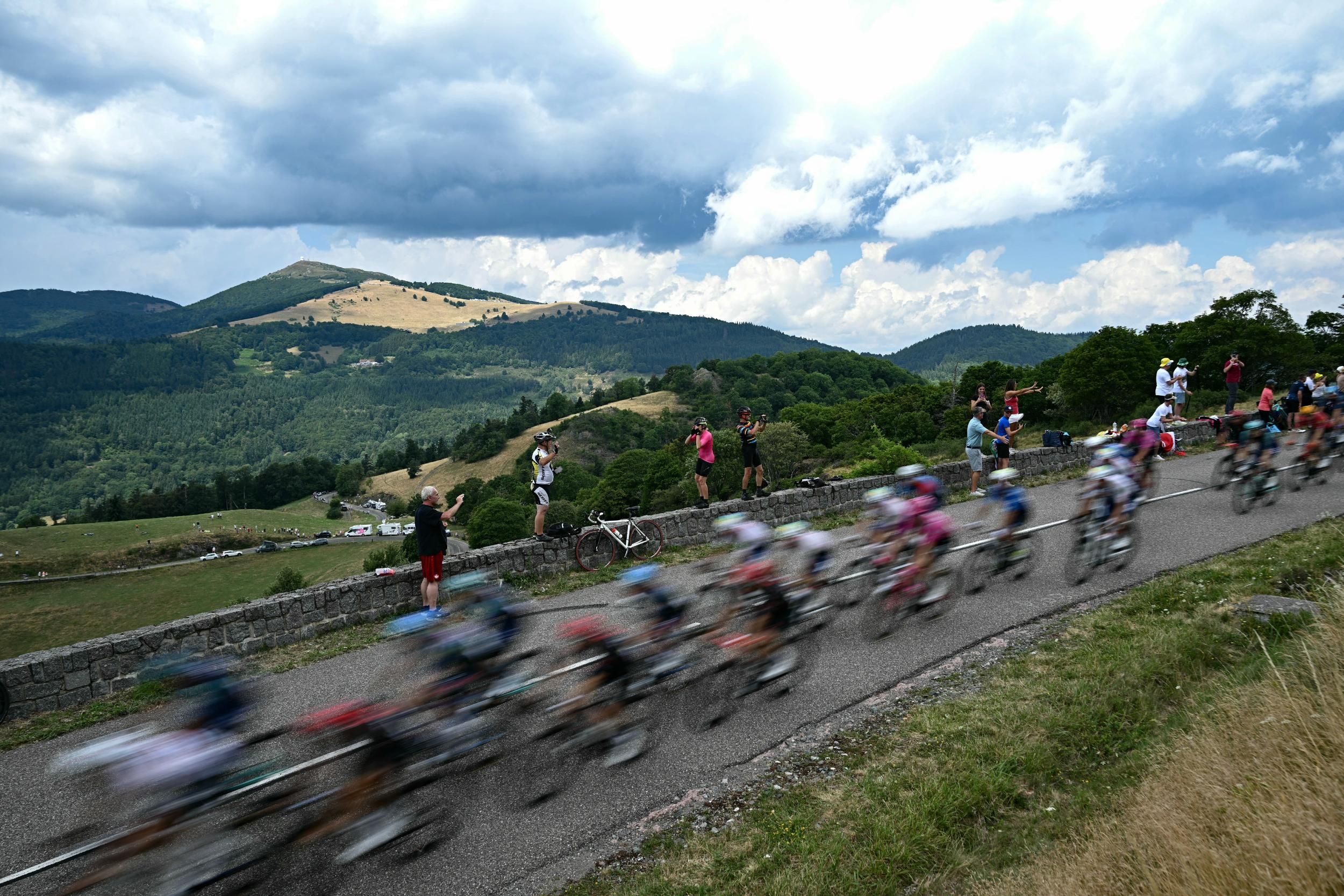
Tour de France Riders Provide Blood Samples as Part of Anti-Doping ABP Programme
All 166 riders remaining in the 2026 Tour de France underwent mandatory blood sampling on the second rest day, July 20, as part of the International Testing Agency’s (ITA) Athlete Biological Passport (ABP) program. This longitudinal monitoring, supported by the French anti-doping agency (AFLD), tracks haematological markers to ensure race integrity.
Understanding the Athlete Biological Passport Framework
The ABP program represents a distinct departure from traditional, substance-specific anti-doping tests. Instead of screening for a prohibited substance or specific method, the ITA monitors selected biological variables over time. According to the ITA, this longitudinal approach identifies fluctuations in markers such as hematocrit levels, which may indicate the physiological effects of doping. The data collected does not provide immediate “results” in the traditional sense; rather, it is stored and analyzed to detect anomalies that could trigger further investigation or potential sanctions.
For the professional peloton, this process is an automatic requirement for all men’s WorldTeams and ProTeams. Participation is not a sign of suspicion or wrongdoing, but a routine administrative component of high-level cycling. The ITA confirmed that this rest-day mission functioned as an intelligence- and risk-based supplement to the standard pre-competition testing conducted before the Grand Départ in Barcelona.
Strategic Impact on Team Periodization and Recovery
The Operational Scale of 2026 Anti-Doping Efforts
The intensity of the 2026 Tour de France anti-doping program is reflected in the volume of testing. The ITA has committed to approximately 600 tests throughout the race, averaging over 25 tests per day. This aggressive testing schedule has become a significant talking point, particularly as riders have reported being woken during the night by testers.
The reliance on the AFLD for sample collection personnel highlights the cooperative nature of international anti-doping governance. By utilizing local expertise alongside central oversight, the ITA aims to maintain a consistent standard across all stages of the race.
Market and Competitive Trajectory
The longitudinal nature of the ABP means that today’s samples are part of a much longer career narrative. Precedent, such as the suspension of WorldTour rider Oier Lazkano following the identification of abnormal values, underscores the efficacy of this data-tracking method.
Disclaimer: The insights provided in this article are for informational and entertainment purposes only and do not constitute medical advice or sports betting recommendations.