

Top EU diplomats mark 4 years since Bucha massacre
European Union diplomats gathered in Kyiv on March 31, 2026, to commemorate the fourth anniversary of the Bucha massacre. Led by Foreign Policy Chief Kaja Kallas, the delegation honored victims while reinforcing commitments to legal accountability and financial aid despite political friction within the bloc regarding Ukraine’s support.
Four years changes the landscape of grief. It shifts the focus from immediate shock to the grinding machinery of justice and reconstruction. Today, the streets of Bucha are quiet, but the diplomatic noise surrounding them is deafening. The presence of foreign ministers from Germany, Poland, Italy, and Sweden signals unity, yet the shadow of Hungary’s veto on financial aid looms over every handshake.
This memorial is not merely ceremonial. It is a strategic pivot. As Russian forces withdrew from the Kyiv suburb in 2022, they left behind a scar that defines the moral architecture of this war. The European Commission spokeswoman labeled it a horrific tragedy, but tragedy does not pay for rebuilt schools or prosecuted war criminals. Action does.
The Mechanics of Accountability
German Foreign Minister Johann Wadephul used the platform to draw a hard line around impunity. He emphasized that those responsible for the crimes must not go unpunished. This rhetoric moves beyond sentiment into the logistical minefield of international law. The German government has pledged support for evidence collection, a critical step in populating the docket of the proposed special tribunal.
Collecting evidence in a war zone requires precision. It demands chain-of-custody protocols that withstand decades of legal scrutiny. International Criminal Court investigators have been working alongside Ukrainian authorities to document these atrocities. The burden of proof rests on physical forensics and witness testimony that survives the fog of war.
“The documentation of civilian casualties remains a priority for ensuring future reparations can be accurately assessed and distributed to affected families.”
This statement from the UN Human Rights Monitoring Mission in Ukraine underscores the scale of the task. It is not enough to know people died. The legal system requires names, dates, and causes of death. What we have is where the private sector intersects with public justice. Families seeking restitution often require international war crimes attorneys to navigate the complex filings required by the compensation commission Wadephul mentioned.
The Aid Stranglehold
While ministers lay wreaths, the flow of capital remains restricted. Hungary maintains its stranglehold on financial aid to Kyiv. This political maneuvering has real-world consequences on the ground. Municipal budgets in the Kyiv region cannot wait for diplomatic breakthroughs. Infrastructure decays rapidly without maintenance. Power grids fail. Housing remains uninhabitable.
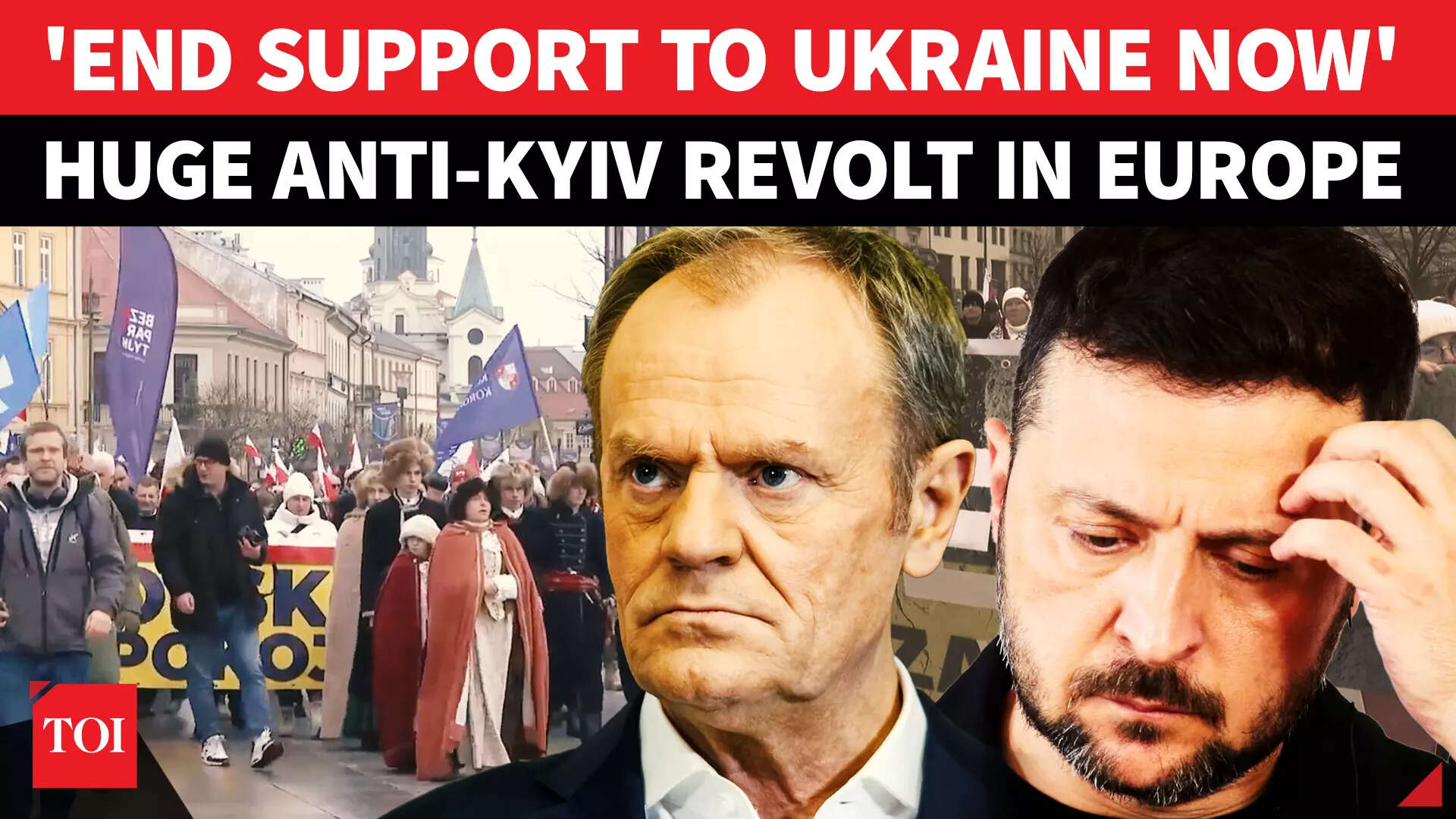
The disparity between pledged aid and delivered funds creates a vacuum. Local governments must bridge this gap. They turn to private investment and international NGOs to maintain essential services running. The economic impact ripples outward. Construction firms face delays. Supply chains fracture. The cost of rebuilding rises with every month of stagnation.
Consider the infrastructure damage. Bucha sits 25 kilometers northwest of the capital. It was a frontline town. The destruction was systematic. Restoring water lines and electrical substations requires more than goodwill. It requires specialized engineering firms capable of working in semi-active conflict zones. Securing vetted infrastructure reconstruction contractors is now the critical first step for any municipality aiming to normalize life for returning residents.
Psychological Infrastructure
We often measure war in meters of territory or tons of munitions. We rarely measure it in trauma. The memorial service acknowledged the dead, but the living carry the weight. A United Nations report confirmed dozens of civilian deaths, but Ukrainian figures record more than 400 dead civilians in Bucha alone. Each number represents a family shattered.
Mental health support is not an adjunct to reconstruction. It is foundational. Communities cannot rebuild if the populace is paralyzed by grief. The European family message Wadephul cited must include psychological safety nets. Survivors need long-term care, not just emergency intervention.
Local community leaders emphasize that recovery is a generational project. The wounds visible in 2022 have scarred over, but the sensitivity remains. Access to trauma counseling specialists is as vital as access to concrete and steel. The directory of services available to these regions must expand to meet the surge in demand for psychological support.
Comparative Aid and Reconstruction Status
The following data outlines the current disparity between diplomatic commitments and on-the-ground realities in the Kyiv region as of March 2026.
| Category | Commitment Status | Implementation Reality |
|---|---|---|
| Financial Aid | EU Bloc Pledged | Blocked by Member Vetoes |
| Legal Tribunal | Proposed by Germany | Evidence Collection Ongoing |
| Infrastructure | International Grants | Delayed by Security Risks |
| Civilian Compensation | Commission Founded | Claims Processing Initiated |
This table illustrates the friction point. Commitments exist on paper. Implementation stalls in parliament. The gap between the two is where suffering persists. It is also where opportunity lies for private sector entities capable of bypassing bureaucratic inertia.
The Path Forward
The visit by Kaja Kallas and her counterparts sends a signal to Moscow. It also sends a signal to investors. Stability is a prerequisite for capital. Until the legal status of the region is settled, until the borders are secure, reconstruction will remain fragmented. The special tribunal for the crime of aggression is not just about justice. It is about establishing a legal precedent that deters future violations.
Wadephul noted that the Ukrainian people are part of the European family. Families protect their own. That protection must be tangible. It must be financial. It must be legal. The world watches Kyiv, but the work happens in the suburbs. It happens in the courtrooms where evidence is filed. It happens in the neighborhoods where homes are rebuilt.
As we mark this fourth anniversary, the focus shifts from remembrance to resolution. The directory of global services stands ready to connect those in need with the professionals who can execute the work of recovery. Whether navigating the complexities of international claims or securing the physical rebuilding of a community, the infrastructure for peace is built by hands willing to work through the pain.
Justice is not a moment. It is a process. And like any complex process, it requires the right partners. For those affected by the ongoing fallout of the conflict, finding verified legal experts and reconstruction specialists is the most pragmatic step toward closing this chapter of history.