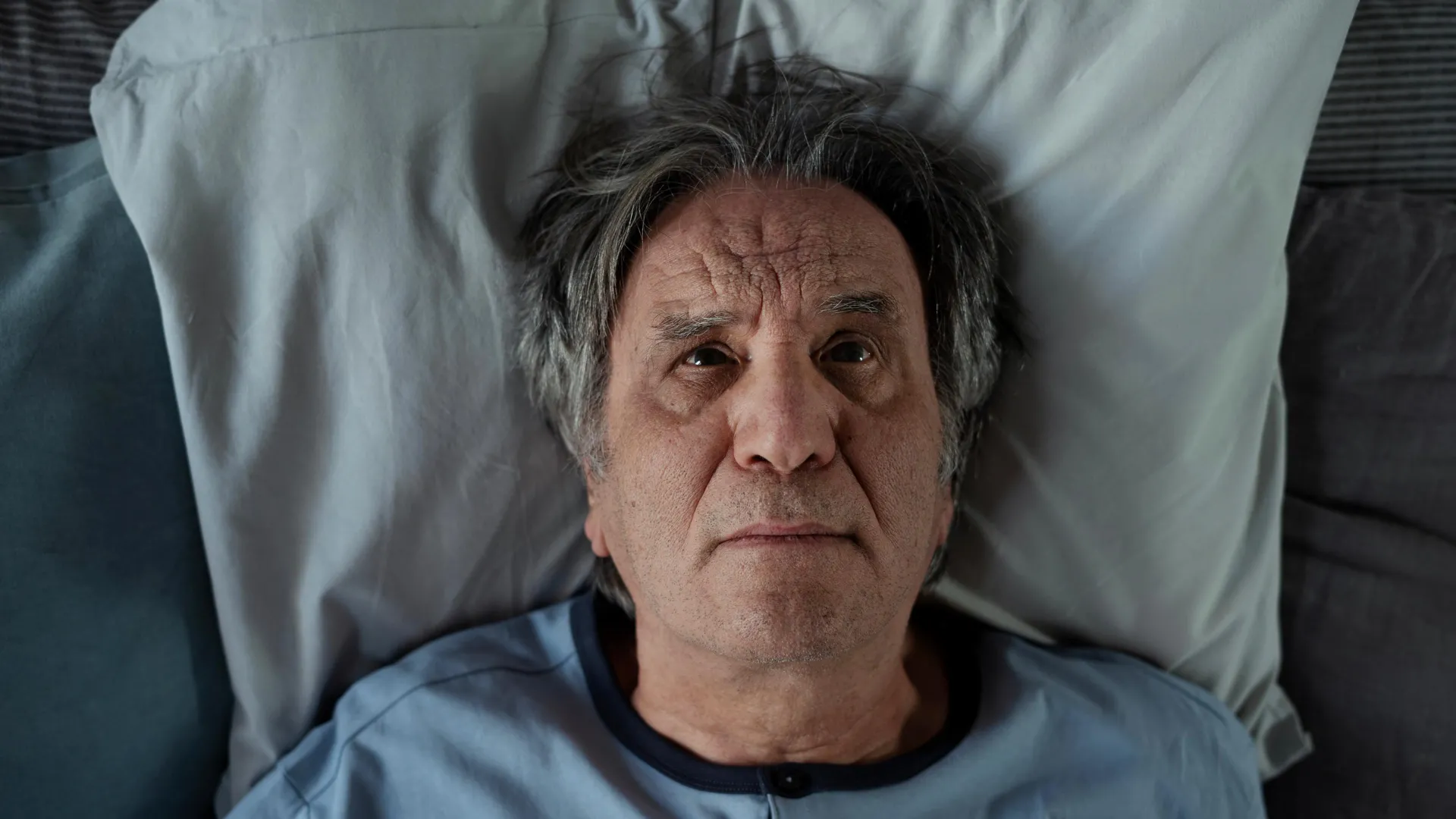
Too Much or Too Little Sleep May Accelerate Organ Aging
Sleeping fewer than six hours or more than eight hours a night is associated with faster biological aging across multiple human organ systems, according to an analysis published in Nature on May 13. Researchers analyzing data from roughly 500,000 individuals found a distinct U-shaped curve linking extreme sleep durations to accelerated organ deterioration in the brain, heart, lungs, and immune system.
- The Optimal Window: The healthiest organ aging patterns correlate with a narrow sleep duration of 6.4 to 7.8 hours per night.
- Organ-Specific Clocks: Utilizing machine learning models trained on blood proteins, medical imaging, and metabolic data, investigators mapped aging across 23 distinct biological clocks spanning 17 organ systems.
- Systemic Comorbidities: Short sleep durations tracked with depressive episodes, anxiety disorders, obesity, and type 2 metabolic conditions.
Mapping the Brain-Body Network Through Organ-Specific Clocks
Traditional aging biomarkers often evaluate the human body as a singular, homogeneous entity. However, clinical understanding increasingly recognizes that distinct physiological compartments degrade at disparate rates. To bypass this limitation, study leader Junhao Wen, assistant professor of radiology at the Columbia University Vagelos College of Physicians and Surgeons, deployed machine learning algorithms to construct precise biological clocks tailored to individual organs. The investigation leveraged the expansive epidemiological resource of the UK Biobank, examining structural medical scans, organ-specific proteins, and molecular panels derived from participant blood samples.
Epidemiological Data and the U-Shaped Sleep Curve
When comparing reported sleep durations against 23 distinct biological clocks, researchers observed a striking U-shaped epidemiological pattern. Participants reporting fewer than 6 hours of nightly rest—as well as those exceeding 8 hours—demonstrated physiological aging profiles advanced beyond their chronological years. Conversely, individuals maintaining a nightly duration between 6.4 and 7.8 hours exhibited the most favorable biological preservation.

While the study stops short of proving direct mechanical causation—acknowledging that abnormal sleep may instead serve as an upstream clinical marker for underlying, undiagnosed pathology—the correlations remain robust across multiple omics layers. Short sleep demonstrated associations with neuropsychiatric vulnerabilities, including clinical anxiety and depressive episodes.
Future Trajectories in Sleep Medicine and Personalized Longevity
Disclaimer: The information provided in this article is for educational and scientific communication purposes only and does not constitute medical advice. Always consult with a qualified healthcare provider regarding any medical condition, diagnosis, or treatment plan.