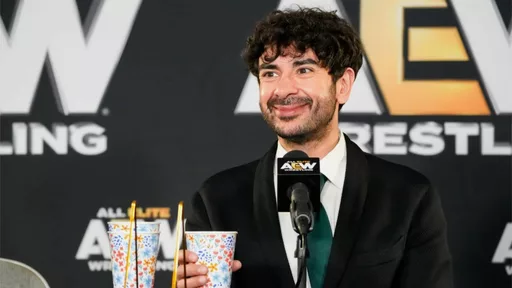
Tony Khan Reportedly Plans to Let Numerous AEW Contracts Expire Rather Than Release Talent
All Elite Wrestling (AEW) president Tony Khan is reportedly opting to let a significant number of wrestler contracts expire naturally rather than executing a mass round of releases, according to Bryan Alvarez of Wrestling Observer Live. This attrition strategy will likely unfold over the next six to 18 months, potentially flooding the professional wrestling free-agent market with established talent.
The decision addresses a critical roster management problem: a crowded talent pool that exceeds current television utility. In traditional sports, a front office facing a bloated roster often triggers buyouts or waivers to clear cap space. However, because AEW operates without a hard salary cap, the “cost” of this approach is not a dead-cap hit but rather the continued payment of talent who may not appear on programming. This creates a logistical vacuum for the performers, who remain under contract but lack a creative trajectory, while the promotion avoids the public relations fallout of “firing” athletes.
The Financial Mechanics of Natural Contract Expiration
According to Alvarez, the primary driver behind this strategy is Khan’s aversion to the interpersonal conflict associated with cutting talent. Alvarez stated that Khan “doesn’t like to play the bad guy,” leading to a scenario where the promotion pays wrestlers to remain inactive for months until their deals reach the finish line. This approach differs significantly from the “mass release” events seen in other major promotions, where talent is severed immediately to trim operational overhead.
For the wrestlers, this period of inactivity can be precarious. While they maintain their salary, the lack of visibility can diminish their market value.
| Strategy | Immediate Impact | Financial Cost | Market Effect |
|---|---|---|---|
| Mass Releases | Instant roster lean | Immediate buyout costs | Sudden talent surge |
| Natural Expiration | Gradual attrition | Continued payroll (Zero ROI) | Trickle-out availability |
Market Volatility and the Free Agent Wave
The timeline for this exodus is not immediate. Alvarez suggests a window of six to 18 months before the full impact is felt. This staggered exit prevents a single “black swan” event in the industry but ensures a steady stream of recognizable names hitting the open market. According to Ringside News, this could provide a substantial “shot in the arm” for the independent circuit or create an opening for a new competitor to emerge by acquiring a concentrated group of available stars.
The ripple effect extends beyond the ring. In the professional wrestling industry, the transition from a guaranteed corporate contract to an independent “per-date” model requires a total shift in financial planning and tax structuring.
Impact on Local Economies and Event Infrastructure
As AEW manages its roster, the composition of its touring shows changes. The promotion relies heavily on regional hubs for its “Dynamite” and “Collision” tapings.

For athletes transitioning out of the AEW system, the physical toll of years of high-impact performance becomes a primary concern. Much like professional football players facing the end of their careers, wrestlers exiting major contracts must prioritize long-term health.
Long-term Strategic Implications for AEW
By avoiding the “bad guy” role, Tony Khan maintains a reputation as a wrestler-friendly promoter, which is a critical asset for future recruitment. However, the tactical cost is a roster that may feel stagnant. The eventual expiration of these deals will allow AEW to reset its “load management” for the roster, ensuring that those who remain are actively contributing to the product.
Whether these athletes return to the independent scene or migrate to competing promotions, the shift will be a slow burn rather than a sudden explosion.
Disclaimer: The insights provided in this article are for informational and entertainment purposes only and do not constitute medical advice or sports betting recommendations.