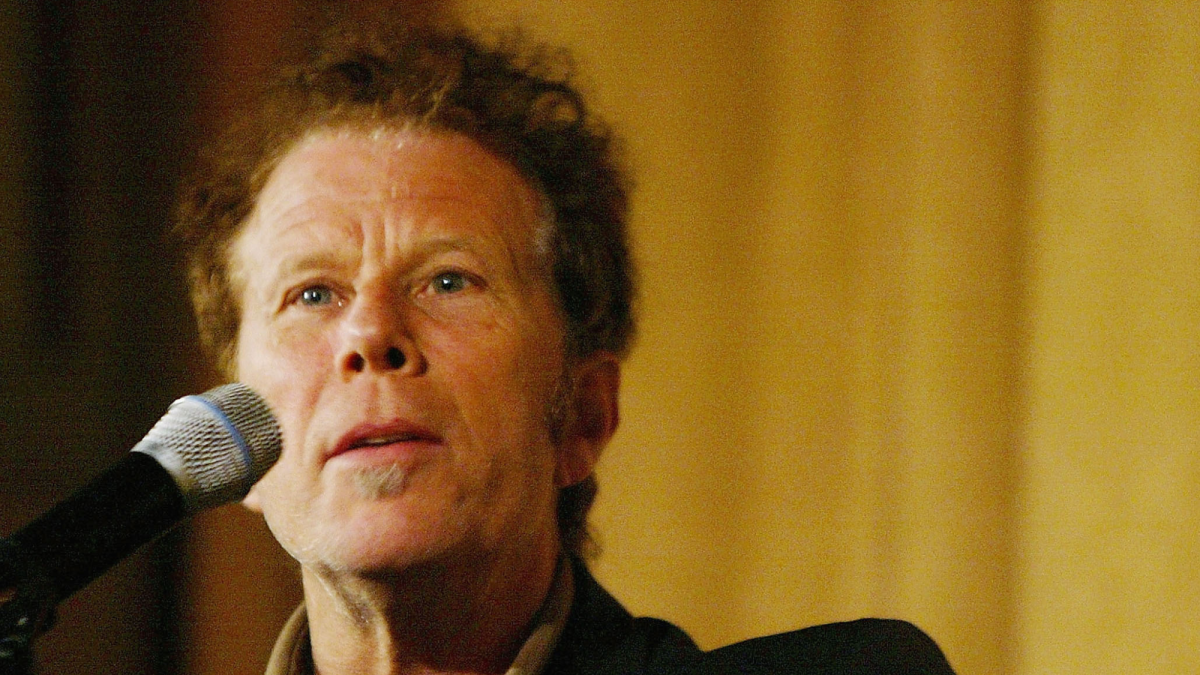
Tom Waits examines life and mortality in the song Take It With Me
As awards season cools and artists look toward future catalog retrospectives, Tom Waits‘ 1999 album Mule Variations continues to command critical attention, anchored by the poignant track “Take It With Me.” Clocking in at just under four and a half minutes, the song offers a profound meditation on life and mortality through the spare instrumentation of Waits’ gravelly croak, tinkling piano, and Greg Cohen’s burbling bass.
The Evolution of a Balladeer on Mule Variations
By the time Waits released Mule Variations, he had established a pattern of taking multi-year gaps between studio albums, increasing the anticipation for each new LP. The sprawling 16-song collection successfully synthesized disparate eras of his legendary career. Clanging percussion and unorthodox melodies—hallmarks of his radical 1980s transformation on records like Swordfishtrombones and Rain Dogs—sat alongside material that reached back to his formative years as a classic ballroom balladeer.
Among those tracks, “Take It With Me” stands as a prime example of his work in unvarnished sentiment. Collaborating with his wife, Kathleen Brennan, in writing the song, Waits constructed a sparse arrangement that highlights the subtle beauty of the melody. The track focuses on simple pleasures and lasting memories accumulated over a lifetime shared with another person, relying solely on the piano, bass, and vocals to drive the emotional weight.
Examining the Lyric and Literary Parallels
The central refrain—“I’m gonna take it with me when I go”—punctuates each verse, addressing what a person ultimately retains at the end of life. The narrative weaves together mundane yet cherished milestones, from days spent at Coney Island to quiet moments on a neighborhood porch. Literary connections run deep throughout the composition. The line “It’s a long time since I drank champagne” draws a direct parallel to the final words of playwright Anton Chekhov, framing the narrator’s reflections as final moments slip away.
Waits leans into permanence with the assertion that “There ain’t no good thing ever dies.” Even as the narrator acknowledges that time has run out—noting that he has “worn the faces off all the cards”—the takeaway remains anchored in emotional wealth rather than material accumulation. “It’s got to be more than flesh and bone,” Waits insists, concluding that “All that you’ve loved is all you own.”
The Emotional Climax and Legacy
The song builds toward a final verse structured like a classic fairy tale, referencing a land, a town, a house, and a woman. Waits delivers the concluding emotional blow by declaring, “And in that woman, there’s a heart I love/I’m gonna take it with me when I go.” The track remains a defining statement on the enduring power of memory, love, and human connection.
Disclaimer: The views and cultural analyses presented in this article are for informational and entertainment purposes only. Information regarding legal disputes or financial data is based on available public records.