
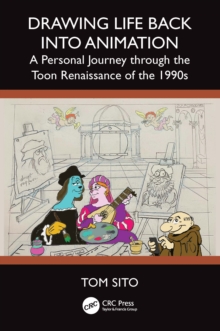
Tom Sito Shares Drawing Life Back Into Animation Excerpt On 90s Toon Renaissance
Veteran animator Tom Sito critiques the current state of the industry in his new book, Drawing Life Back into Animation. Released March 2026, the excerpt This Business Is Dead contrasts the lucrative ’90s Renaissance with today’s streaming-driven austerity, urging studios to reclaim artistic risk over algorithmic safety.
The ink was barely dry on Dana Walden’s March 16 announcement regarding her new Disney Entertainment leadership team when Tom Sito dropped a literary grenade on the industry. While executives shuffle chairs in Burbank, Sito’s latest manuscript argues that the structural integrity of animation itself is fracturing. This isn’t merely nostalgia for the Ren & Stimpy era. it is a forensic audit of how intellectual property valuation has cannibalized creative risk. The problem facing studios today isn’t a lack of talent, but a surplus of liability-averse management that treats animation as content filler rather than franchise equity.
The Economics of Nostalgia vs. Innovation
Sito’s excerpt highlights a stark divergence in production budgets and backend participation between the 1990s and the current SVOD landscape. During the Toon Renaissance, syndication deals offered creators a pathway to wealth through residual checks. Today, streaming metrics obscure viewership data, leaving artists without leverage. When a platform buys out rights in perpetuity for a flat fee, the backend gross disappears. This shift forces talent to seek representation that understands digital rights management rather than traditional broadcast agreements.

Consider the recent leadership overhaul at Disney Entertainment. While Deadline reports on the elevation of Debra O’Connell to Chairman, the underlying tension remains how to monetize legacy IP without stifling new pipelines. Sito suggests that the industry’s reliance on rebooting existing franchises creates a ceiling for growth. Studios are effectively betting on known commodities to mitigate financial exposure, but this strategy erodes brand equity over time. Audiences eventually tire of recycled narratives, leading to diminishing returns on marketing spend.
“The contract structures of the ’90s allowed artists to build generational wealth. Today’s streaming deals are essentially work-for-hire arrangements disguised as partnerships. If we don’t fix the compensation model, the talent pipeline dries up within a decade.” — Sarah Jenkins, Entertainment Attorney at Greenberg & Associates
This legal disconnect requires immediate attention from specialized entertainment law firms capable of negotiating hybrid rights agreements. The current standard contracts fail to account for the longevity of digital assets. When a show becomes a cult hit on a platform ten years later, the original creators witness none of that renewed value. This discrepancy fuels litigation and damages morale within production units.
Brand Impact and Crisis Management
Declaring a business “dead” is a provocative stance that triggers immediate reputational risk for the publishers and the studios involved. Such statements can spook investors and alter brand sentiment among key demographics. When a respected historian like Sito speaks, the market listens. The resulting narrative can impact stock prices and partnership negotiations. Studios facing this level of public critique must deploy strategic communication plans to reframe the conversation around innovation rather than decline.
Without a robust response, the narrative shifts from “industry evolution” to “industry collapse.” Here’s where crisis communication firms and reputation managers become essential assets. They do not merely suppress negative press; they engineer counter-narratives that highlight upcoming slates and technological advancements in rendering or AI integration. Ignoring the critique allows competitors to define the market reality. A proactive PR strategy acknowledges the challenges while showcasing concrete investments in original programming.
the logistical side of animation production is changing. Remote workflows and global outsourcing have complicated union negotiations and quality control. Production managers must coordinate across time zones while maintaining artistic consistency. This complexity demands regional event security and A/V production vendors who understand the specific needs of high-profile premieres and industry panels where these books are launched. The physical presence of animation at festivals remains a crucial touchpoint for community building.
The Path Forward for Creators
Sito’s analysis serves as a warning shot to showrunners and producers who rely solely on algorithmic greenlighting processes. Data should inform decisions, not dictate them. The most successful franchises of the last decade emerged from creative intuition, not spreadsheets. Revitalizing the sector requires a return to developer-led pitches where the vision drives the budget, not the other way around.
Industry data from Animation Magazine suggests that independent studios are outperforming major conglomerates in viewer engagement per dollar spent. This efficiency proves that audiences crave novelty. However, scaling these independent successes requires capital and legal infrastructure. Talent agencies must pivot from packaging deals to producing partnerships, ensuring their clients retain ownership stakes. The Hollywood Reporter frequently covers these shifts in deal-making structures, highlighting the trend toward equity-based compensation.
“We are seeing a migration of top-tier talent to independent studios where they retain IP ownership. The majors need to adapt their offer sheets or lose the next generation of visionary creators.” — Marcus Thorne, Senior Talent Agent
The conversation sparked by Drawing Life Back into Animation extends beyond the drawing board. It触及 the core of how media companies value human creativity in an automated age. If the industry continues to treat animation as a disposable asset class, Sito’s prophecy may become self-fulfilling. The solution lies in restructuring deals to reward longevity and risk. Studios must view artists as stakeholders rather than vendors.
As the fiscal year closes and leadership teams settle into their new roles, the pressure to demonstrate growth will intensify. The entities that survive will be those that recognize animation not as a genre, but as a technology-agnostic medium for storytelling. For professionals navigating this transition, securing the right legal and PR support is no longer optional; it is existential. The directory exists to connect these visionaries with the infrastructure needed to build the next Renaissance.
Disclaimer: The views and cultural analyses presented in this article are for informational and entertainment purposes only. Information regarding legal disputes or financial data is based on available public records.