
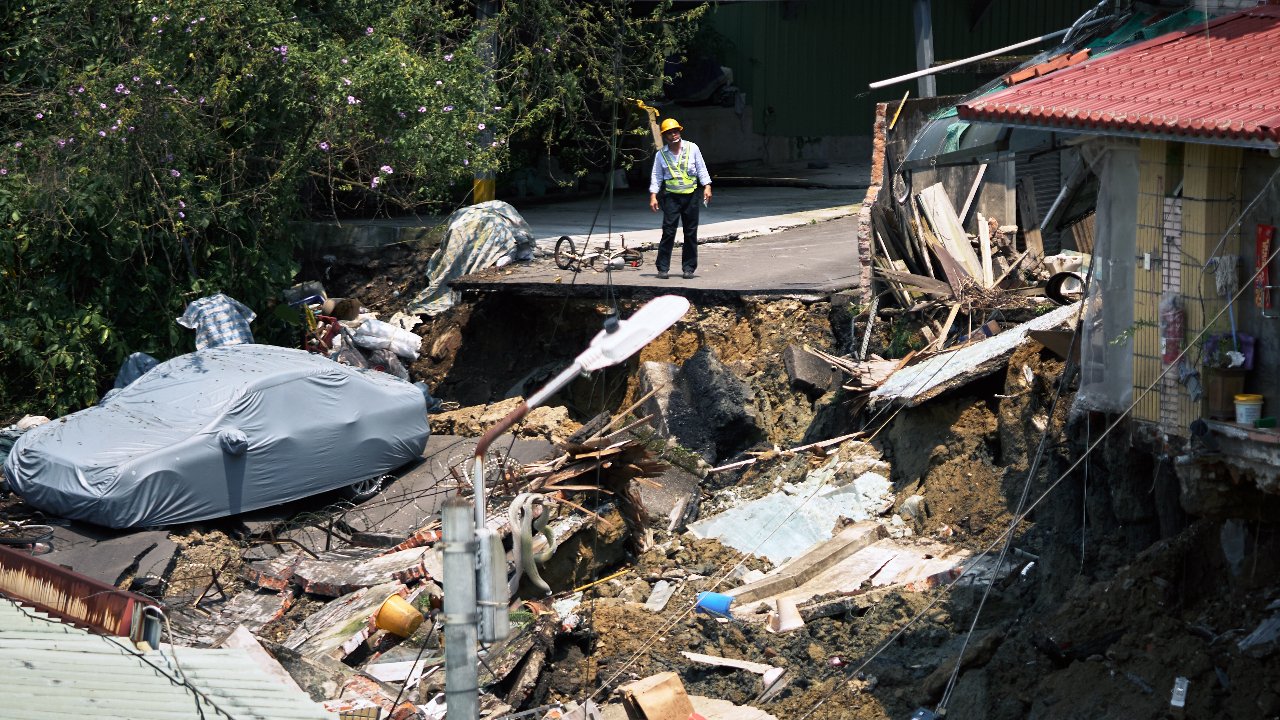
Japan’s goverment is now at the center of a structural shift involving disaster risk management for Tokyo. The immediate implication is heightened exposure of financial markets and supply chains to a high‑impact shock.
The Strategic Context
Tokyo’s extreme urban density, its role as a global financial hub, and Japan’s aging demographic create a fragile equilibrium where a single natural event can reverberate through fiscal balances, corporate earnings, and regional stability. Decades of seismic activity-from the 1923 Kanto quake to the 2011 Tohoku disaster-have embedded disaster preparedness into policy cycles,yet fiscal constraints and a shrinking labor force limit the speed of large‑scale retrofitting. At the same time, Japan’s position in East Asian security dynamics makes any prolonged disruption a potential lever for geopolitical actors seeking to exploit perceived weakness.
Core analysis: Incentives & Constraints
Source Signals: The new government report projects up to 18,000 deaths from a magnitude‑7 quake in southern Tokyo, adds 16,000‑41,000 indirect deaths from sheltering, estimates €532 billion in economic loss, and foresees 400,000 buildings destroyed, 8.4 million people stranded, and 4.8 million evacuees in shelters.it notes improvements since the 2013 assessment-anti‑seismic construction,circuit breakers,reduced fire risk-but also that the target to halve damage by FY2024 remains unmet.
WTN Interpretation: The government’s primary incentive is to preserve fiscal stability and investor confidence by demonstrating incremental risk reduction, thereby avoiding a sudden shock to the sovereign bond market. Constraints include limited fiscal space, an aging workforce that reduces construction capacity, and the concentration of critical ministries in the central business district, which raises the stakes of any operational disruption. Private sector actors-insurance firms, construction companies, and multinational supply‑chain managers-are incentivized to push for stricter building codes and to diversify logistics hubs, yet they face cost‑benefit limits and regulatory lag. The broader strategic environment,marked by regional security competition,adds pressure on Japan to showcase resilience as a deterrent to external exploitation of any post‑quake vulnerability.
WTN Strategic Insight
“In advanced economies, natural‑hazard risk is evolving into a macro‑economic variable that reshapes capital allocation, insurance pricing, and sovereign credit assessments.”
Future Outlook: Scenario Paths & Key Indicators
Baseline Path: Assuming the current pace of retrofitting, budget allocations for seismic upgrades, and gradual insurance market adaptation continue, the fiscal impact will remain within projected ranges. Investors will price earthquake risk into sovereign yields and corporate bonds,while multinational firms will incrementally relocate critical logistics nodes to mitigate concentration risk.
Risk Path: If a winter‑season quake with high winds materialises-triggering the worst‑case building collapse, prolonged power outages, and massive sheltering-the fiscal shock could exceed current buffers, insurance losses could surge, and capital flows might temporarily retreat from Japanese assets. supply‑chain disruptions could prompt accelerated reshoring or diversification away from the Tokyo hub, amplifying regional economic volatility.
- Indicator 1: Publication of the FY2025 national budget and earmarked spending for seismic retrofitting; deviations from the target to halve damage will signal governmental commitment.
- Indicator 2: quarterly reports from major japanese insurers and reinsurers on earthquake loss reserves and premium adjustments; sharp increases indicate market anticipation of higher risk exposure.
