
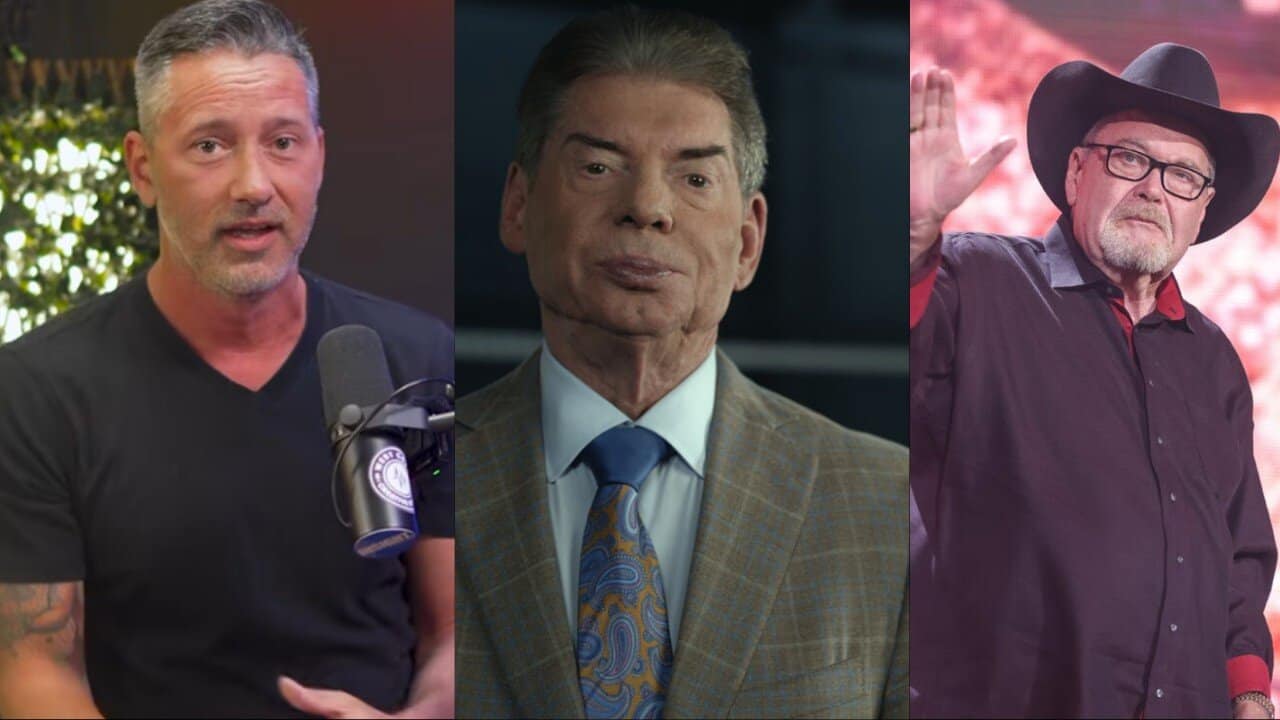
WWE leadership is now at the center of a structural shift involving talent succession and brand continuity. The immediate implication is heightened internal tension that could affect audience loyalty and operational stability.
The Strategic Context
Since its expansion in the early 2000s, WWE has relied on a limited set of marquee on‑air personalities too anchor its flagship product, Monday Night Raw. The model blends live‑event revenue, broadcast rights, and global merchandising, creating a high‑margin, brand‑centric business. Within this framework, long‑standing commentators function as both talent and brand custodians, shaping fan perception and sustaining viewership across demographic segments. the attempted transition from Jim Ross-a Hall of Famer with deep fan attachment-to a newer voice reflects a broader industry tension: balancing legacy brand equity against the need for refreshed talent pipelines in a media environment increasingly driven by digital fragmentation and audience churn.
Core Analysis: Incentives & Constraints
Source Signals: The interview confirms that WWE executives planned to retire Jim Ross after WrestleMania 2007, positioning Todd grisham as the new lead commentator. Audience reaction in multiple venues forced a reversal, keeping Ross on air. An on‑stage incident in Oklahoma illustrates Vince McMahon’s willingness to use grisham to publicly undermine Ross, while Grisham ultimately defied the scripted directive by handing the microphone to Ross.
WTN Interpretation: The push to replace Ross signals a strategic desire to modernize the broadcast voice, likely aimed at attracting younger demographics and aligning with evolving content distribution channels.Ross’s entrenched fan base constitutes a form of “soft capital” that the association cannot readily discard without risking audience erosion. McMahon’s aggressive tactics reveal a top‑down governance style that leverages on‑air drama to manage talent narratives, but the incident also exposes constraints: live audience feedback, internal loyalty among long‑term staff, and the reputational risk of overtly humiliating a beloved figure. Grisham’s decision to break character indicates an internal calculus where personal credibility and future employability outweigh short‑term compliance, suggesting that talent agency within WWE is bounded by both hierarchical pressure and the need to maintain industry credibility.
WTN Strategic Insight
“When a legacy brand attempts to replace a cultural touchstone, audience sentiment becomes the decisive arbiter of succession speed.”
Future Outlook: Scenario Paths & Key Indicators
Baseline Path: If WWE continues to gauge fan response closely and opts for a gradual integration of new on‑air talent while retaining legacy figures in prominent roles, the organization can preserve viewership stability and mitigate internal dissent. This path assumes that the company will prioritize audience metrics over unilateral talent reshuffles.
Risk Path: If leadership reasserts top‑down control, accelerating the removal of legacy talent without sufficient audience buy‑in, the brand may experience a measurable dip in live‑event attendance and broadcast ratings, perhaps prompting talent attrition and heightened public criticism.
- Indicator 1: Quarterly Raw viewership trends, especially in markets where legacy talent historically drives ticket sales.
- Indicator 2: Internal talent contract negotiations and public statements from on‑air personalities regarding role changes, tracked thru industry filings and media interviews.
