
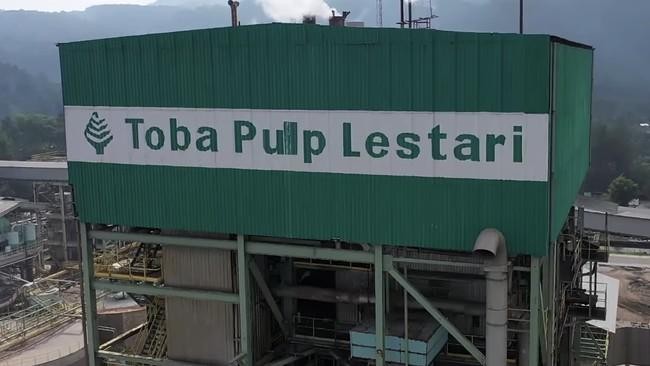
Toba Pulp Lestari Faces Massive Layoffs After Concession Permit Revoked Amid Flooding Crisis in Sumatra
On April 26, 2026, the Indonesian government revoked Toba Pulp Lestari’s (INRU) forest concession license, triggering a mass layoff announcement affecting over 3,000 workers and intensifying regional economic strain in North Sumatra’s Toba Samosir district, where the company’s operations have long been intertwined with local livelihoods and environmental controversies.
The Sudden Collapse of a Forestry Giant
The concession revocation, issued by the Ministry of Environment and Forestry (KLHK) under Ministerial Decree No. 123/Menlhk/Setjen/Kum.1/4/2026, cites repeated violations of sustainable forest management protocols, including illegal encroachment into protected peatlands and failure to mitigate flood risks in the Batang Toru watershed. This follows years of mounting pressure from civil society groups and provincial authorities who accused INRU of exacerbating seasonal flooding that devastated over 12,000 hectares of farmland in late 2025. The decision marks a rare enforcement action against a major pulp producer in Indonesia, signaling a potential shift in how the government balances industrial growth with ecological accountability in one of the world’s most critical carbon sink regions.
INRU’s response was immediate and severe: a notice of mass layoffs (PHK) effective May 15, 2026, impacting workers across its integrated operations in Porsea, including mill operations, logistics, and plantation maintenance. Union representatives warn the layoffs could push unemployment in Toba Samosir above 18%, overwhelming local social services and increasing reliance on informal livelihoods such as illegal logging or artisanal mining—activities that further degrade the highly ecosystems the concession revocation aims to protect.
Human Cost in the Highlands
For generations, families in Porsea and surrounding villages have depended on INRU for wages, healthcare access, and infrastructure development. Now, uncertainty looms. “We were told this factory would bring progress,” said Siti Rahayu, a former INRU administrator and community advocate in Porsea, her voice tight with frustration. “Instead, we got flooded fields, broken promises, and now—no income. Who do we turn to when the company leaves and the government doesn’t replace what it took?”

“The revocation isn’t just an environmental correction—it’s a socioeconomic shockwave. Without a just transition plan, we risk creating a cycle of poverty and environmental harm that will take decades to reverse.”
Local officials echo concerns about institutional readiness. North Sumatra’s Deputy Governor for Economic Affairs acknowledged gaps in coordination: “We are working with the Ministry of Manpower to expedite severance processing and retraining programs, but the scale is unprecedented. We need partners who understand both industrial transition and community resilience.”
Directory Bridge: Who Steps In When Industry Withdraws?
The vacuum left by INRU’s retreat demands immediate, coordinated action from entities equipped to manage complex socio-economic transitions. Local governments are scrambling to activate emergency livelihood programs, but long-term recovery requires specialized expertise. Organizations focused on regional economic revitalization can design alternative income pathways—such as agroforestry cooperatives or eco-tourism initiatives—that align with watershed restoration goals. Simultaneously, workers’ rights legal clinics are essential to ensure severance compliance, negotiate fair transition packages, and represent employees in potential disputes over unpaid benefits or hazardous working conditions during the wind-down phase.
as communities grapple with lost infrastructure and environmental damage, certified land rehabilitation specialists become critical partners in replanting native species, restoring hydrological function, and preventing further erosion—turning liability into opportunity through verified carbon credit projects or sustainable agroforestry models.
Macro Implications: A Test for Indonesia’s Green Industrial Policy
This case transcends local impact. Indonesia’s pulp and paper sector contributes over $5 billion annually to exports, yet faces intensifying scrutiny under the EU’s Deforestation Regulation (EUDR) and domestic moratoriums on new peatland concessions. The INRU decision may embolden regulators to scrutinize other plantation holdings in Sumatra and Kalimantan, particularly those with histories of flood-related complaints or peatland drainage. Analysts at the Institute for Policy Research and Advocacy (ELSAM) estimate that up to 15% of active forest concessions in Sumatra could face similar review triggers by 2027 if enforcement patterns solidify.

Yet without parallel investment in workforce retraining and green industrial alternatives, punitive measures risk deepening regional inequities. The World Bank’s Indonesia Country Partnership Framework emphasizes “just transition” financing, but disbursement remains slow. For now, the burden falls on local administrations and civil society to fill the gap—making access to vetted, mission-driven professionals not just helpful, but essential.
As North Sumatra confronts the dual challenge of economic dislocation and ecological repair, the need for transparent, capable intermediaries has never been clearer. Whether navigating legal complexities, designing sustainable livelihoods, or restoring damaged landscapes, the path forward depends on connecting affected communities with the right expertise—precisely the role a trusted global directory fulfills in times of crisis.