
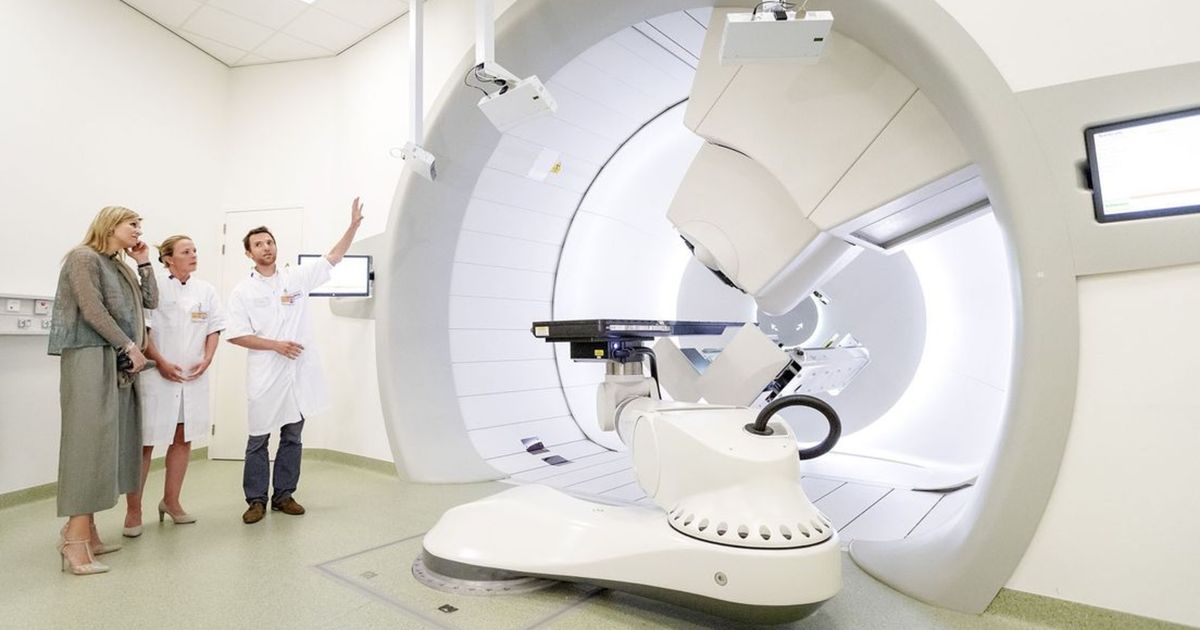
Proton Therapy for Grade 3 Glioma: Treatment Paused for Further Examination
Recent research has raised concerns about the effectiveness of proton therapy for a specific and small group of patients with grade 3 glioma, a type of brain cancer. While initial findings suggest a possibly lower survival rate (around 25% lower) for those treated with proton therapy compared to traditional photon therapy, researchers emphasize it is too premature to draw definitive conclusions.
The study, based on only 117 patients (51 treated with proton therapy) with a relatively short follow-up period (2-4 years for most, as treatment for this group began largely in 2020), necessitates further investigation. Treatment for this specific group has been temporarily paused while researchers work to understand the observed differences.
What’s being investigated?
Researchers are focusing on three key areas:
* Longer Follow-Up: tracking patients for a longer duration to gain more reliable data.
* Tumor Molecular Profiles: Analyzing the genetic makeup of the tumors, as these profiles significantly impact prognosis and may explain variations between patient groups.
* Tumor Recurrence Location: Examining where the cancer returns in relation to the radiation dose received,potentially identifying factors that contributed to treatment outcomes.
Initial results from this follow-up research are expected in 2026. This cancer affects approximately 40-50 people in the Netherlands annually, with around 100 patients having received the treatment nationally since 2018. Data from 2023-mid 2025,involving 49 patients,is still being carefully monitored.
Important Reassurances:
* not Substandard Treatment: researchers stress that it is currently too early to conclude that previous proton therapy treatment was substandard.
* Patient Support: The treatment centers have contacted all affected patients, offering individual consultations to discuss the findings and their implications.
* Other Cancers Unaffected: Treatment with proton therapy continues as normal for patients with other types of cancer, including breast cancer, lung cancer, head and neck tumors, and other brain tumors. There is no evidence to suggest proton therapy is less effective for these conditions. In fact, results for other cancers are generally as expected or even better.
If you have concerns, please contact your treating physician. They can provide personalized information and address any questions you may have. The hospital urges patients not to dwell on worries and to seek clarification from their medical team.
