
landmark Prostate Cancer Screening Trial Launches, Offering Hope for Earlier Detection
London, UK – A major clinical trial aiming to determine the effectiveness of prostate cancer screening has begun recruiting participants across the United Kingdom, potentially reshaping the future of early detection for the nation’s most common cancer in men. The Transform trial will initially involve thousands of men aged 50-75, with plans to expand to up to 300,000 participants in the coming years.
For decades, the debate over widespread prostate cancer screening has centered on balancing the potential benefits of early diagnosis against the risks of overdiagnosis and unneeded treatment. The National Screening Committee (NSC), which advises the National Health Service (NHS), previously persistent that the potential harms of a national screening program outweighed the advantages. However, with advancements in diagnostic techniques and treatment options, the NSC is revisiting its position and is expected to announce a recommendation regarding screening implementation within the next week.
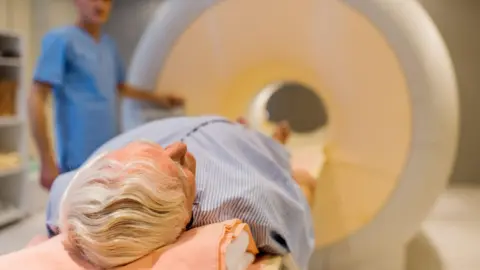
The trial, spearheaded by researchers at University College London, will assess whether a new, more precise risk assessment tool can identify men who would benefit most from screening, minimizing the risks associated with unnecessary interventions. Participants will undergo a prostate-specific antigen (PSA) test, and those identified as higher risk will be offered an MRI scan.
Danny Burkey, 60, diagnosed with prostate cancer four years ago after the disease had already spread to his bones, exemplifies the urgency driving the trial. “Early detection is absolutely crucial,” Burkey stated.
Initial results from the Transform trial are anticipated in approximately two years. If successful, the expanded phase of the trial could significantly alter prostate cancer care in the UK, offering the possibility of earlier diagnoses and improved outcomes for countless men.
