
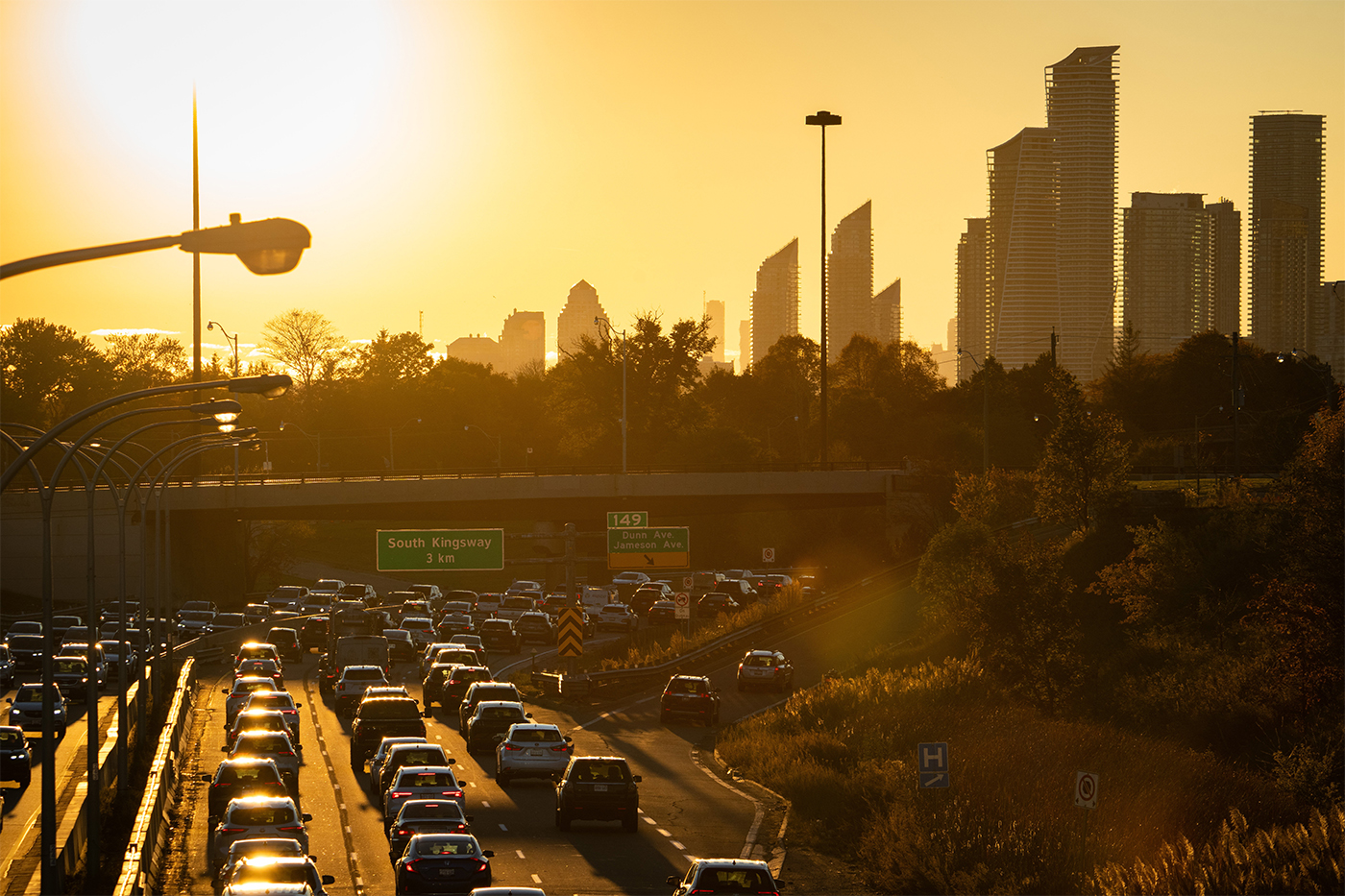
Northeastern & TELUS Partnership Delivers data-Driven Traffic Insights for Toronto events
A research partnership between Northeastern University adn TELUS is providing the City of Toronto with unprecedented accuracy in understanding event-related traffic patterns. The collaboration originated from a hackathon last year focused on predicting the traffic impact of Taylor SwiftS eras tour. Impressed by the students’ work, the city entered into a research agreement with Northeastern, tasking a team of Toronto students and faculty with analyzing past events to improve traffic management.
The team developed a system capable of determining the number of people within a specific area during a given timeframe, and tracking movement patterns during events. This was achieved by analyzing data from TELUS,supplemented by direct feedback from event attendees regarding their travel methods. Initial discrepancies between expected and actual attendance numbers were resolved through close collaboration between the research team and TELUS, resulting in a reliable estimation process.
In October,the team presented their findings to the city’s traffic management team in a comprehensive report. Roger Brown, Director of Traffic Management, highlighted the impact of the new capability, stating it “enables Transportation Services to estimate modal split and assess the effectiveness of travel demand management strategies with unprecedented accuracy and speed, enabling a more data-driven approach to supporting large-scale events.” He further noted the technology is now being used to analyze travel patterns for recurring major events and will inform the city’s Congestion Management Plan.
Previous data collection relied on paper surveys distributed to residents, which yielded minimal responses. The current analysis confirms a high rate of public transit usage – a previous hackathon analysis indicated 70% of concert attendees used transit – suggesting public campaigns promoting public transportation could be effective.
“They actually use real data to perform real analysis for major events,” said research group member Leung, a student in Northeastern’s analytics program.
The partnership aims to expand its capabilities. Wilder, an analytics professor at Northeastern, explained the city’s goal is to measure the impact of advertising campaigns on subway ridership, establishing a benchmark for future analysis. the research group is eager to assist with traffic management for upcoming events, including the FIFA World Cup, and explore collaborations with other companies to access diverse datasets.
A current challenge lies in accurately identifying pedestrian and bicycle traffic, as these modes of transportation are challenging to distinguish using cellphone data patterns. The team hopes to integrate external data sources,such as bike rental details,to provide more comprehensive insights.
