
China Intensifies Crackdown on Feminist voices Despite Public Pledges of Gender Equality
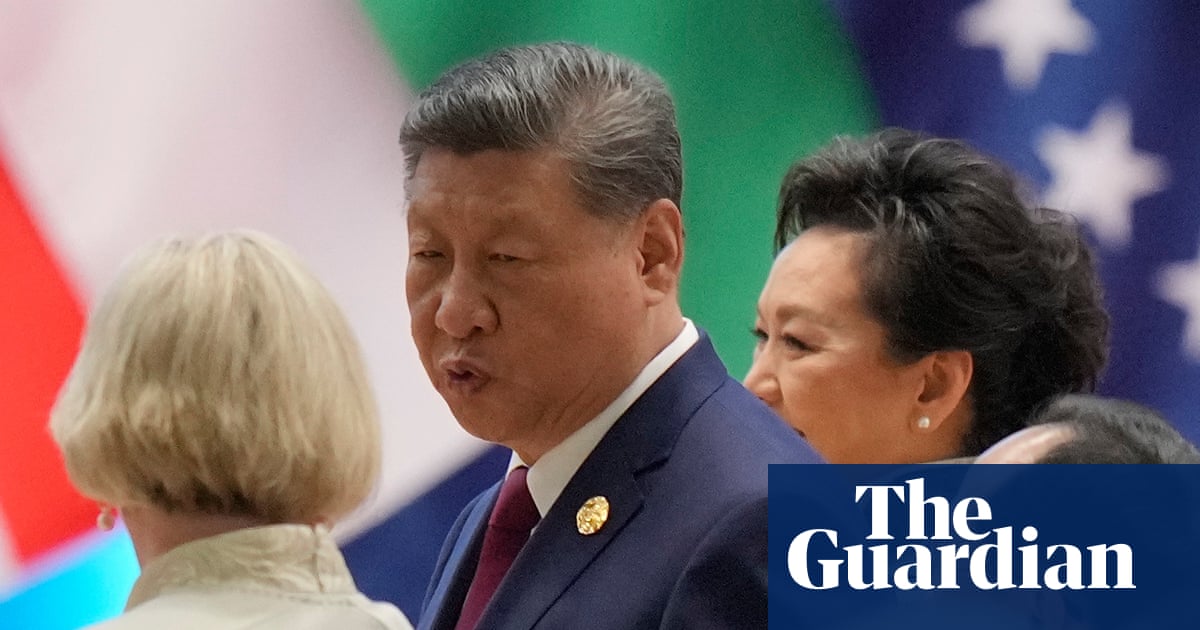
BEIJING – Even as President Xi Jinping publicly lauded advancements in women’s rights at a recent global women’s summit in Beijing, China has considerably escalated its suppression of feminist activism and online discourse, according to reports and accounts from impacted individuals. The tightening control comes as organized feminist groups have already been largely dismantled, and now extends to independent bloggers and commentators.
The crackdown highlights a contradiction in the Chinese government’s messaging on gender equality,showcasing a willingness to promote the image of progress on the international stage while concurrently silencing domestic voices advocating for women’s rights.
Last month, the official WeChat account of feminist blogger Jiang Chan, which regularly attracted over 100,000 views per article, was deleted, as reported by China Digital Times. This followed a wave of censorship on Weibo, a popular chinese social media platform, where over 1,300 accounts received temporary or permanent bans for allegedly inciting “gender antagonism” weeks prior. One account was penalized with a temporary ban for sharing “extreme anti-marriage” rhetoric.
In June, Weibo introduced a dedicated complaints category specifically for reporting content deemed to “promote gender antagonism.”
Wang Huiling, a vlogger from Anhui province who gained prominence during the Covid-19 pandemic for her videos discussing marriage, family, and women’s independence, experienced a similar fate. She initially began sharing her experiences and the struggles of women in her rural community without identifying as a feminist. “It was only later that I realised I was part of the feminist community and that women fighting for their human rights were feminists,” Wang stated.
At her peak, Wang amassed over 4 million followers on Douyin (TikTok‘s Chinese counterpart) and more than 6 million fans across various platforms. However, all of her social media accounts were deleted in January without explanation. Furthermore, her 2021 memoir, Grassroots Women, was banned from being reprinted in April, though it remains available for purchase online. “I don’t know the specific reason for the ban, but it was probably because they were afraid of my awakening of independence in some women,” Wang said.
Additional research by Lillian Yang
