
WHO EMRO Calls for Renewed Commitment to End AIDS by 2030
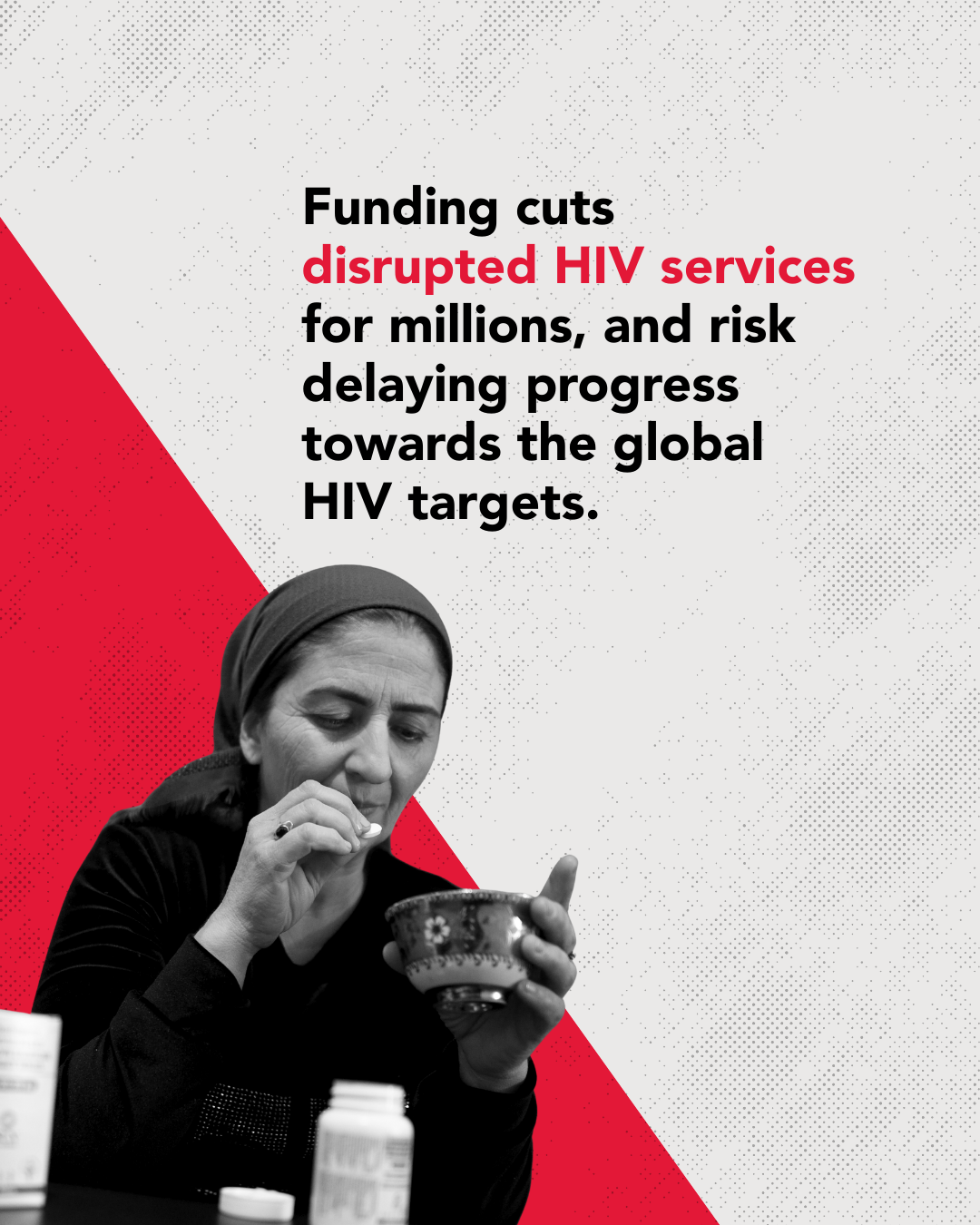
The world Health Association’s (WHO) Eastern Mediterranean Regional Office (EMRO) is urging governments to prioritize HIV/AIDS and increase domestic investment as progress towards ending the epidemic by 2030 faces significant challenges. Despite HIV now being a manageable chronic condition with appropriate treatment, disruptions to vital community-led services – especially in fragile and conflict-affected areas – and reliance on dwindling external funding are threatening to reverse gains.
Currently, 610,000 people in the Eastern Mediterranean Region live with HIV. While there is no cure, effective prevention, diagnosis, treatment, and care allow individuals living with HIV to lead long and healthy lives. Though, achieving this for all requires urgent action.
WHO EMRO highlights that inadequate domestic funding, coupled with persistent stigma, discrimination, punitive laws, and limited access to community-based services, remain major obstacles to prevention, testing, and care. Without a renewed and scaled-up response, the number of new HIV infections and deaths is projected to rise, placing further strain on already burdened health systems and jeopardizing the 2030 goal.
To accelerate progress, WHO is calling on governments to:
* Increase national investments in HIV programs.
* Integrate HIV services into broader health systems to provide comprehensive, people-centered care.
* Scale up innovative service delivery models, including leveraging digital health and Artificial Intelligence (AI).
* Expand prevention, harm reduction, and community engagement programs.
* Enhance surveillance, monitoring, and targeted HIV responses.
“Today, I call on all governments to raise public awareness, increase domestic funding, integrate HIV into broader health services, adopt innovative approaches and strengthen prevention through digital health and AI,” stated Dr. Hanan Balkhy, WHO Regional Director for the Eastern Mediterranean. “WHO will stand with our countries and communities to build a stronger, fairer AIDS response for everyone, everywhere in our Region.”
This call to action underscores the need to sustain and increase investment, reignite commitment, and tackle structural barriers to treatment to ensure the goal of ending AIDS as a public health threat is realized.
For more data:
* https://www.emro.who.int/wad2025/index.html
* HIV and AIDS fact sheet: https://www.who.int/news-room/fact-sheets/detail/hiv-aids
* Global and regional statistics: who-ias-hiv-statistics_2025-new.pdf
* HIV/Hepatitis/STI Regional Plan: https://applications.emro.who.int/docs/9789292743383-eng.pdf
contact: RU1ST21lZGlhQHdoby5pbnQ= for further information and to arrange interviews.
