
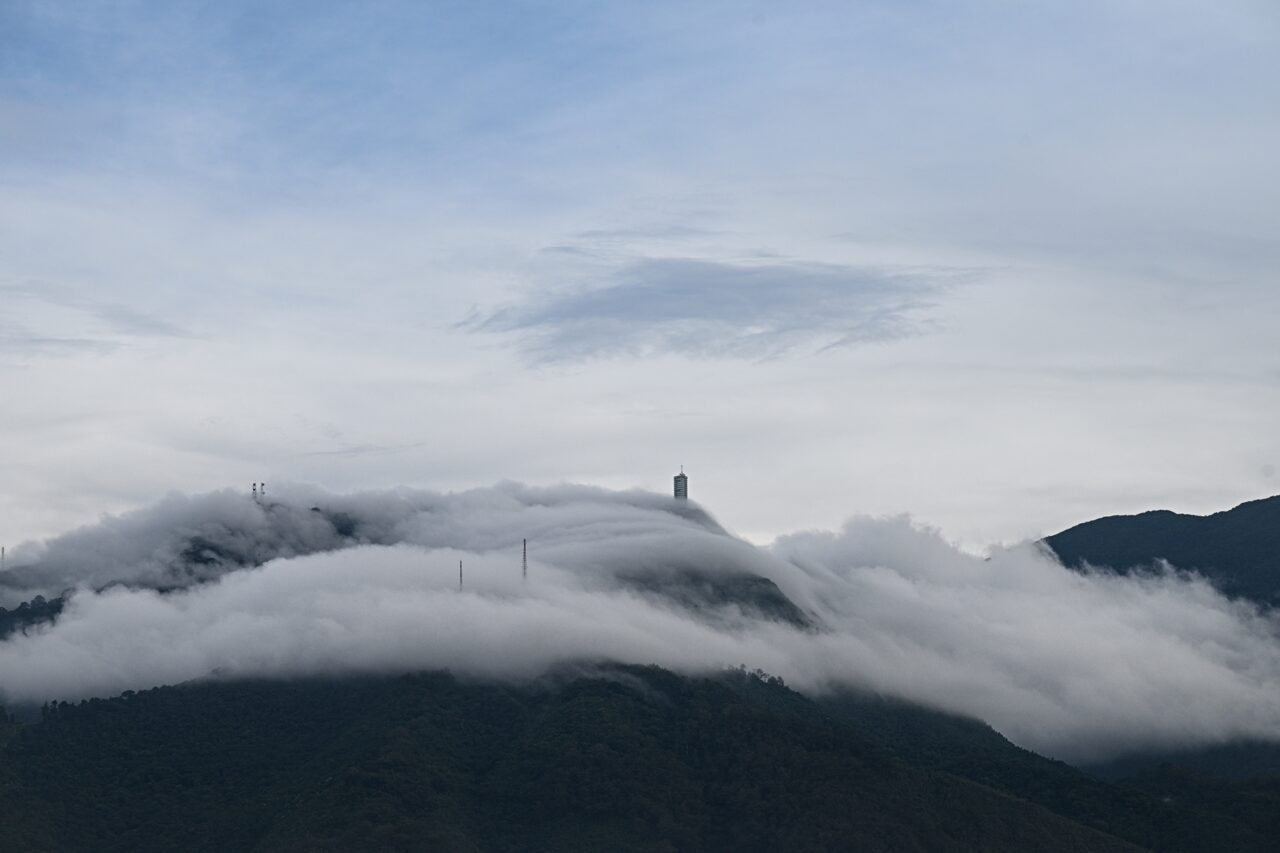
Venezuela Braces for Colder Temperatures, with January Potentially Reaching 14°C
Caracas, Venezuela is experiencing a cooling trend that is expected to continue into the beginning of next year, according to valdemar Andrade, a hydrometeorological engineer and researcher at the Central University of Venezuela (UCV).
In an interview with Radio Union, Andrade stated that Caracas is already registering temperatures below normal for this time of year, and January could see minimums as low as 14°C. Currently, minimum temperatures in the capital average 19.6°C, approximately one degree lower than in October. The UCV weather station recently recorded a November low of 16°C.
“The trend is that they continue to decline in December and January,” Andrade explained. He projects the city could be between 14 and 15°C in January, mirroring conditions at the start of this year when Caracas remained below 16°C for several days.
Maximum temperatures are also decreasing, currently around 28.8°C compared to higher values recorded in October,and are expected to continue falling as the season progresses.
Reduced Rainfall and a Weaker La Niña
While the La Niña phenomenon typically brings increased rainfall and lower temperatures, Andrade noted its influence has been weaker than anticipated this year. “It hasn’t rained what was expected,” he said.
As of Tuesday, Caracas had accumulated only 35 millimeters of rainfall in November, substantially below the average of 99 millimeters for the month. This lower rainfall is also reflected in the country’s rivers, with the Orinoco and Caroní rivers remaining at average or below-average levels.
andrade attributes the current cooling primarily to the arrival of remnants of cold fronts from the northern hemisphere - a common occurrence between the end of the year and the beginning of the next – which typically causes more pronounced temperature drops in the central region and along the coast. He warned that a new cold front is currently moving across the Atlantic and could reach northern Venezuela in the coming days, potentially leading to even colder temperatures next week.
A Contrast to 2024
the hydrometeorologist highlighted a key difference from the beginning of 2024, which was marked by an unusually warm Atlantic Ocean. This warming contributed to higher temperatures in Venezuela and triggered widespread forest fires, with over 7,000 claims registered in February alone – more than double the usual average of around 3,000.
This extreme Atlantic warming is not present this year, contributing to a cooler environment and different conditions than those experienced in recent cycles.
